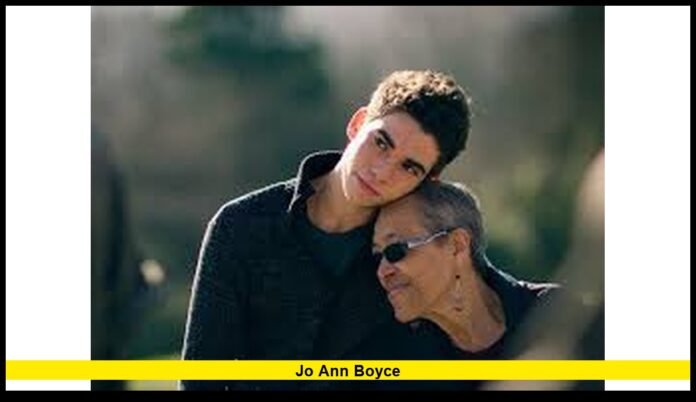

Jo Ann Boyce stands as one of the most influential figures in the story of American school desegregation, and the life of jo ann boyce continues to shape how the United States understands courage, activism, and the long fight for equality. Her journey from a small Tennessee town to the national spotlight reveals how ordinary young people sometimes shoulder extraordinary burdens that help change the direction of a country.
A Childhood Shaped by Determination and Faith
Boyce was born in Clinton, Tennessee, in 1941, during an era when segregation shaped every part of community life. She grew up in a close-knit family that encouraged education, faith, and self-respect. Her neighborhood, though limited in resources, offered strong community support. She spent much of her early life singing at church, studying diligently, and discovering the confidence that would later define her.
Her parents instilled in their children the understanding that excellence often required twice the effort for Black Americans. Even as a young girl, Boyce carried herself with a quiet bravery. Teachers recognized her potential early, noting her strong academic habits and natural leadership qualities. All of these elements formed the foundation that would prepare her for one of the most pivotal chapters in American civil rights history.
The Call to Integrate Clinton High School
By the mid-1950s, national momentum toward school integration began reshaping local communities. When her hometown became one of the first to implement federal desegregation orders, Boyce was selected as one of twelve Black students to attend Clinton High School. She was just fourteen, yet she would soon find herself standing at the center of a national crisis.
On the first day the twelve students walked toward the school, the street felt tense but manageable. That soon changed. Crowds grew, tempers rose, and the atmosphere turned dangerous. Boyce later spoke about the shock she felt when adults—people she expected to behave responsibly—shouted insults at children bravely attempting to enter a school building.
Although she carried fear, she also carried determination. Each morning, she walked through a hostile pathway of protesters determined to block progress. Some days, only quiet resolve kept her moving forward. What she faced inside the school was equally challenging.
Life Inside the Hallways of Clinton High School
While some white students accepted the presence of the Black students, many others engaged in harassment. Boyce spoke about receiving hateful notes, enduring verbal attacks, and walking through halls where she was watched, judged, and targeted. Yet she also recalled moments of kindness—a classmate offering a smile or a teacher treating her with fairness. These moments reminded her that even in the most divided environments, humanity sometimes breaks through.
Despite the danger, she was elected vice president of her homeroom. That recognition affirmed that not everyone resisted integration. But the overall environment remained charged with anger. For a teenager trying to learn and grow, the pressure was immense.
The tensions outside the school escalated quickly. Cross burnings, street violence, and targeted attacks shook the community. Some local leaders attempted to support the students, but others fueled the unrest. The situation worsened to the point that the National Guard was deployed to maintain order.
A Family Forced to Relocate
The fear became so great that Boyce’s family ultimately decided they could no longer stay in Tennessee. Leaving Clinton meant abandoning the school she fought so hard to enter, but the safety of her family became the priority. The move to Los Angeles allowed her to restart her education in a calmer environment, but the emotional weight of the experience stayed with her.
Relocation did not mark an end to her journey—it marked a new chapter. She completed high school in California and soon pursued nursing, entering a profession defined by compassion and service. Though her career path differed from activism, her earlier experiences shaped the way she cared for people and approached challenges.
Building a Life Rooted in Service and Creativity
After graduating from nursing school, Boyce began a long and dedicated career as a pediatric nurse. Her work spanned more than four decades, and families remembered her as a steady, nurturing presence. She thrived in the fast-paced environment of pediatric care, bringing patience, empathy, and skill to each shift.
Alongside her medical career, Boyce explored another part of her identity—her voice. She and her sister briefly joined a singing group during their early years in California, performing locally and recording several songs. Music provided her with balance, allowing her to reconnect with the creative passions that had defined her childhood.
Marriage and motherhood became central to her life as well. She raised a family with the same sense of resilience and warmth that she had developed over years of navigating struggle and triumph. Her children grew up hearing the stories of Clinton not as tales of bitterness but as lessons about justice, strength, and forgiveness.
Returning to Her Story and Sharing It with the Nation
As time passed, Boyce realized the significance of preserving her memories for future generations. Her willingness to speak publicly about her experiences helped educators, students, and communities better understand the reality of school integration. She attended events, participated in discussions, and shared the emotional truth of what it meant to walk through angry crowds at fourteen.
Her message always carried a tone of reflection rather than resentment. She emphasized the importance of learning from the past rather than dwelling within it. Those who heard her speak often remarked on her gentle delivery, which contrasted with the intense hostility she once faced.
Her story reached a wider audience when she co-authored a book describing the school integration crisis through her own eyes. The work offered young readers a firsthand account of history, bridging the gap between past and present. Teachers across the country used it to start conversations about fairness, equality, and the courage of ordinary people who stepped into extraordinary moments.
A Legacy of Forgiveness and Strength
One of the defining traits of Boyce’s later years was her openness to forgiveness. She recounted occasions when former classmates approached her decades later to apologize for their actions during those troubling months at Clinton High. Instead of holding onto anger, she welcomed their words and expressed gratitude for their reflection.
Forgiveness, for her, was not a sign of weakness. It was a sign of liberation. She believed that releasing bitterness allowed space for growth and understanding. This approach enriched her speaking events and left audiences deeply moved.
Family Love and Personal Loss
Boyce’s family remained the center of her world. Her children and grandchildren brought her joy and fulfillment. Among them was her grandson, actor Cameron Boyce, whose sudden passing in 2019 brought widespread grief. The loss was personal and profound, yet she continued to reflect publicly with grace, often emphasizing love, resilience, and the importance of cherishing family bonds.
Her ability to persevere through both historic challenges and personal heartbreak revealed the depth of her character. She faced hardships that might have overshadowed many lives, yet she continually found reasons to inspire, teach, and uplift others.
Remembering Her Life and Impact
When Boyce passed away in 2025 at age 84, tributes poured in from people who admired her strength and her generosity of spirit. Museums and cultural centers that honor civil rights history celebrated her contributions and reminded the nation that the Clinton 12 played a crucial role in shaping integrated education.
Her life stands as a testament to the idea that real change often begins with young people who refuse to accept injustice. Her story continues to be taught in classrooms and discussed in communities dedicated to building a more inclusive society.
Her legacy includes:
- Courage during one of the earliest school integrations in the South
- Leadership in the face of threats and hostility
- A lifelong commitment to teaching and healing
- An emphasis on forgiveness and unity
- Inspiration for generations seeking fairness and understanding
Jo Ann Boyce remains a symbol of what it means to stand up for what is right even when the cost is great. Her life encourages Americans to remember the sacrifices made to advance equality and to carry those lessons into the future.
May her story continue inspiring conversations, reflection, and a renewed commitment to justice. Share your thoughts below and keep her legacy alive.