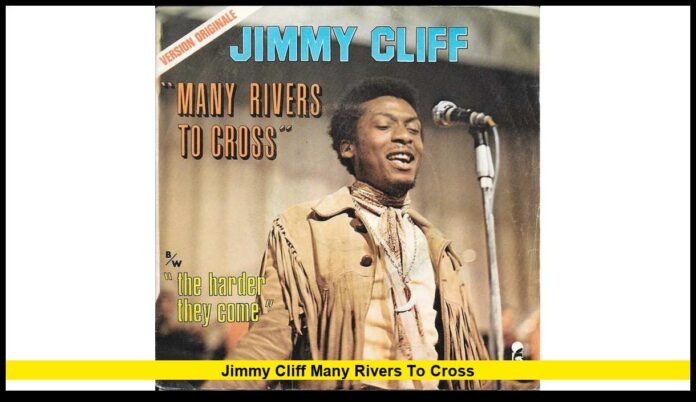

Jimmy Cliff Many Rivers to Cross remains one of the most emotionally powerful recordings in modern music history, and over the past several days, the song has seen a surge of renewed interest across radio, streaming services, tribute broadcasts, and music platforms following the confirmed passing of Jimmy Cliff at age 81. Fans, artists, and cultural historians are now reflecting not only on the musician’s global impact, but especially on the emotional connection this song continues to hold across generations.
Jimmy Cliff’s contribution to reggae and international music is undeniable, and this track has become a centerpiece of tribute playlists, radio programming, and fan discussions. Many Americans, including younger listeners discovering Cliff for the first time, are now revisiting his catalog with fresh appreciation.
The unique power of this song lies in how deeply personal and universally relatable it feels. Even decades after its release, it continues to resonate with people who connect with its themes of struggle, uncertainty, and perseverance.
A Song Rooted in Personal Experience
When Jimmy Cliff wrote the lyrics, he was navigating major life changes, including immigration, cultural transition, and career challenges. He was still early in his music career when he created it, and the tension between ambition and hardship shaped its emotional tone.
The vocal performance captures a rare vulnerability. Rather than relying on heavy instrumentation, the arrangement supports the lyrics with soft organ melodies and choir-style backing. This gives the track a spiritual tone, allowing listeners to feel as though they are part of an emotional or personal awakening.
From its earliest recordings, the song stood apart from other reggae releases of its era because of its structure. Instead of a fast rhythm built for dance halls, it feels like a soul ballad with Jamaican influence. That distinction eventually helped it travel around the world.
How the Track Entered American Culture
While Cliff was already gaining momentum internationally, his presence expanded significantly when the song was included in the soundtrack for a major Jamaican film that reached audiences across the United States. Viewers connected instantly with the music, and the soundtrack became one of the most influential releases in reggae and world music history.
As interest in Jamaican culture grew in the U.S., Cliff became a recognizable figure not just to music fans but also to film enthusiasts. College campuses, independent cinemas, and music communities embraced the track as part of a growing cultural movement. The emotional depth of the song made it appealing far beyond genre-specific audiences.
By the late 1970s and 1980s, the track was already firmly cemented as a classic. American rock, pop, and gospel musicians began covering it, and each cover helped reach new listeners who later returned to Cliff’s original version.
Why the Song Continues to Resonate
Music listeners today describe the emotional experience of hearing the song as timeless. The themes remain relevant, especially for people facing uncertainty, transition, or personal growth.
Listeners often connect with it during major life turning points:
- Immigration
- Leaving home
- First major setbacks
- Loss or grief
- Healing and recovery
- Career change
- Personal identity challenges
The song invites reflection rather than reaction. Unlike fast-paced reggae or dancehall rhythms, this recording feels like a moment of stillness, honesty, and storytelling.
Its impact stands not only in what it says but how it says it—slow, reverent, and expressive.
Rising Streaming Numbers and Public Attention
Following Cliff’s passing, U.S. music platforms reported an immediate and noticeable increase in streams of his catalog. The song appears consistently across tribute playlists, and its popularity continues rising across digital charts.
Search trends show that many listeners are now reading the lyrics, learning about Cliff’s life, and studying the meaning of the song. Messages from fans online highlight how deeply the track connects across age groups.
Tributes from musicians, DJs, festival organizers, and radio hosts emphasize that this track remains the first song many people think of when remembering Cliff.
Evolution of the Song Through Covers and Media
Throughout the years, numerous high-profile artists have performed or recorded their own renditions, which helped expose the lyrics to new audiences who may not have listened to reggae before. Some versions lean toward rock, others toward pop, soul, or gospel.
Film and television productions have also used the song in major emotional scenes. Because of its tone and themes, it often appears during moments that reflect determination, inner conflict, or personal triumph.
Through these repeated cultural touchpoints, the song has moved beyond a single historic era and into a lasting legacy.
A Turning Point in Global Reggae Recognition
While reggae had roots deeply tied to Jamaica, musicians like Cliff helped bring the sound to international audiences. This song, in particular, helped demonstrate that reggae could be introspective, emotional, and musically complex—not only upbeat and rhythm-driven.
For many listeners, this track served as an introduction to the emotional depth of Jamaican music. It helped pave the way for global recognition of the genre and created space for later generations of reggae, ska, dancehall, and fusion artists.
Today, the song remains an essential reference point for historians studying the international spread of Caribbean music.
Legacy as Artistic and Cultural Symbol
Jimmy Cliff’s passing has brought renewed appreciation to his body of work. Yet this particular song stands as one of the most personal and lasting reflections of his emotional depth and artistic honesty.
Music scholars often describe the song as a universal symbol of endurance, identity, and human uncertainty. Whether heard in a theater, a concert, a church, a festival, or a quiet personal moment, it feels deeply relatable.
Each listener experiences it differently, but nearly everyone recognizes its sincerity.
Looking Forward
Although Cliff is no longer here, his voice continues shaping global music culture. This track is expected to remain present in digital playlists, tribute events, festival programming, and academic study. Its resurgence in the U.S. reflects how powerfully music can travel through generations and continue finding meaning long after its creation.
His passing has reminded the world how powerful one piece of music can be when it tells a story rooted in truth and lived experience.
Share your memories, thoughts, or the moment this song first spoke to you — your voice helps keep the legacy alive.