
For chefs, small business owners, and budget-conscious buyers, jetro restaurant depot has become a major point of interest in 2026. Known for its warehouse-style shopping and bulk pricing, this foodservice supplier continues to attract attention as food costs remain a concern and more people explore alternative ways to shop.
While it has long served restaurants and professional kitchens, interest has expanded beyond its traditional audience. From independent caterers to first-time visitors curious about bulk deals, more people are looking to understand how it works and whether it fits their needs.
If you’re exploring ways to save money, streamline your business, or simply understand how wholesale food shopping operates, this detailed guide explains everything you need to know.
If you want more insights into retail trends and smart shopping strategies, take a moment to explore our latest coverage and stay informed.
What Is Jetro Restaurant Depot and How Did It Start?
Jetro Restaurant Depot is a wholesale supplier designed primarily for the foodservice industry. Founded in 1976, the company built its reputation by offering restaurants access to large quantities of food and supplies at competitive prices.
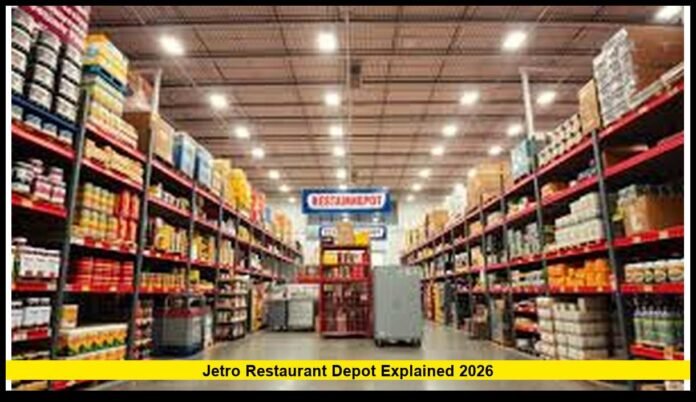
Its model focuses on efficiency rather than presentation. Instead of traditional grocery aisles, customers shop in large warehouse spaces where products are stored in bulk.
Over time, the company expanded across the United States, opening locations in major cities and regions where restaurant demand is high.
The brand now serves a wide range of customers, including independent restaurants, food trucks, caterers, and institutional buyers.
Understanding the Warehouse Shopping Model
One of the defining features of Jetro Restaurant Depot is its warehouse-style format.
How the System Works
Customers enter a large facility where products are stocked on pallets and shelves in bulk quantities. Instead of browsing neatly arranged displays, shoppers often select items directly from cases or large packaging units.
This system helps reduce costs in several ways:
- Fewer employees are needed for stocking and presentation
- Products move quickly due to high-volume sales
- Packaging remains simple and functional
The result is a streamlined shopping experience focused on efficiency and value.
Who Typically Shops at Jetro Restaurant Depot?
Jetro Restaurant Depot primarily serves business customers, especially those in the food industry.
Common Customers Include
- Restaurant owners and managers
- Catering companies
- Food truck operators
- Convenience store owners
- Nonprofit organizations
Most locations require customers to present business credentials to gain access. This policy ensures that the store remains focused on professional buyers.
However, there have been times when access has broadened, allowing more shoppers to explore its offerings.
What You Can Buy Inside the Store
One of the biggest reasons for the growing interest in Jetro Restaurant Depot is its extensive product range.
Fresh and Perishable Items
- Large quantities of fruits and vegetables
- Meat and poultry sold in bulk packages
- Seafood options for restaurants and catering
- Dairy products, including specialty cheeses
Dry and Packaged Goods
- Bulk grains such as rice and flour
- Canned vegetables and sauces
- Spices in large containers
- Cooking oils and condiments
Frozen Foods
- Pre-packaged meals
- Frozen meats and seafood
- Ready-to-cook items
Non-Food Supplies
- Commercial kitchen equipment
- Disposable packaging and containers
- Cleaning and sanitation products
- Paper goods for foodservice operations
This wide selection allows businesses to source nearly everything they need in one location.
Why Prices Are Often Lower Than Traditional Stores
Pricing is a major factor behind the popularity of Jetro Restaurant Depot.
Key Reasons for Lower Costs
- Bulk purchasing reduces the cost per unit
- Minimal store design lowers operating expenses
- Direct relationships with suppliers
- Focus on high-volume sales
These factors allow the company to offer pricing that often competes with or beats standard grocery stores.
How It Differs From Other Warehouse Retailers
While it shares similarities with warehouse clubs, Jetro Restaurant Depot operates with a different focus.
Compared to Traditional Warehouse Clubs
- Larger product sizes designed for businesses
- Fewer household goods and general merchandise
- More specialized foodservice inventory
Compared to Supermarkets
- Lower prices on bulk items
- Limited selection of smaller packaging
- Less emphasis on convenience shopping
These differences make it especially useful for businesses rather than everyday household use.
Why Jetro Restaurant Depot Is Gaining More Attention in 2026
Interest in Jetro Restaurant Depot continues to grow for several reasons.
Rising Food Prices
As grocery costs remain high, many shoppers are looking for ways to reduce expenses through bulk buying.
Growth of Small Food Businesses
The increase in independent food ventures, including catering services and food trucks, has created more demand for wholesale suppliers.
Online Discussions and Social Media
Shoppers often share their experiences, highlighting deals and unique products, which drives curiosity among new audiences.
The Shopping Experience: What First-Time Visitors Should Expect
Visiting Jetro Restaurant Depot for the first time can feel different from a typical grocery trip.
Key Characteristics
- Large warehouse environment
- Products stored on pallets and in bulk packaging
- Limited signage and decorative displays
- Fast-paced atmosphere focused on efficiency
Shoppers are encouraged to plan their purchases in advance due to the size and scale of available items.
Advantages of Shopping at Jetro Restaurant Depot
Cost Savings
Buying in bulk often results in lower prices per unit, which can significantly reduce expenses for businesses.
Wide Product Selection
From fresh produce to kitchen supplies, the variety makes it a convenient one-stop shop.
Efficiency
The warehouse model allows for quick shopping and checkout processes.
Challenges to Consider
Bulk Quantities
Large package sizes may not suit individuals or small households.
Access Requirements
Many locations require business credentials for entry.
Limited Convenience
The warehouse setup may feel less comfortable compared to traditional stores.
Understanding these factors helps shoppers decide if the store meets their needs.
The Role of Jetro Restaurant Depot in Supporting Small Businesses
Jetro Restaurant Depot plays a critical role in helping small businesses manage costs and maintain operations.
Key Benefits for Businesses
- Access to commercial-grade products
- Lower operating expenses
- Simplified supply chain
For many restaurants and food entrepreneurs, it serves as a primary source for inventory.
Changing Consumer Habits
Consumer behavior is shifting toward more practical and cost-effective shopping methods.
Trends Driving This Shift
- Increased focus on value and savings
- Growing interest in bulk purchasing
- Expansion of home-based food businesses
These changes have contributed to the rising visibility of wholesale retailers.
Future Outlook for Wholesale Shopping in the U.S.
Wholesale retail is expected to remain an important part of the market.
What to Expect Moving Forward
- Continued demand for bulk purchasing options
- Expansion into new locations
- Greater use of technology for inventory and ordering
Jetro Restaurant Depot is positioned to remain a key player in this space.
Final Thoughts
Jetro Restaurant Depot represents a practical solution for businesses and an emerging option for consumers interested in bulk shopping.
Its focus on affordability, efficiency, and variety has made it an important part of the retail landscape in the United States.
As more people explore alternatives to traditional grocery shopping, its role is likely to grow even further.
Have you explored Jetro Restaurant Depot yet, or are you planning your first visit? Share your thoughts and stay connected for more insights on smart shopping and business trends.