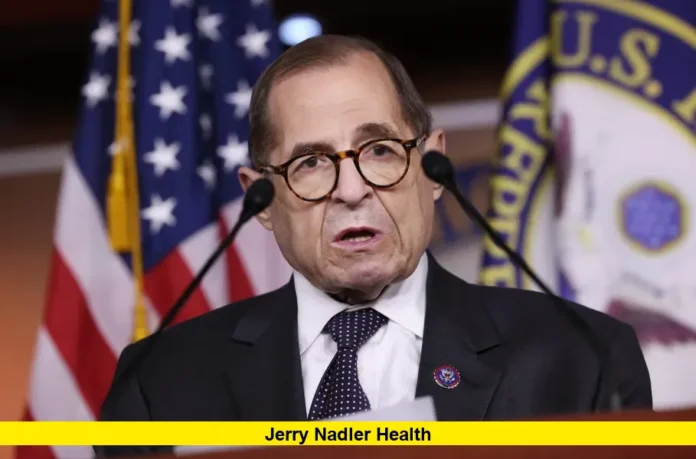

Jerry Nadler health has become a topic of renewed public interest following his recent announcement that he will not seek reelection in 2026. At 78 years old, the longtime Democratic Congressman from New York is stepping back from politics after more than three decades of service. While his decision sparked speculation about his personal well-being, Nadler has not confirmed any new health concerns. Instead, he emphasized the importance of generational change in political leadership.
Jerry Nadler’s Enduring Legacy of Justice and Leadership
Jerry Nadler’s legacy in American politics is defined by his unwavering commitment to justice, civil rights, and democratic accountability over more than three decades in Congress. Serving 17 terms, Nadler became one of the most influential Democratic voices in the House, particularly during his tenure as chair of the Judiciary Committee, where he oversaw two historic impeachment proceedings against former President Donald Trump. A steadfast advocate for progressive values, he championed LGBTQ+ rights, reproductive freedom, and the protection of civil liberties while also securing vital infrastructure and transit funding for New York. Known for his sharp legal mind and steady leadership, Nadler leaves behind a record of principled service that helped shape the nation’s legal and political landscape, cementing his place as one of the most consequential lawmakers of his generation.
Jerry Nadler’s Health Background
Jerry Nadler has faced several health challenges over the years, which have naturally drawn attention given his long career in public service. In 2002, he underwent gastric bypass surgery, a decision that resulted in significant weight loss and was widely covered at the time. That procedure not only transformed his physical appearance but also reduced some of the health risks associated with obesity.
In the years that followed, Nadler continued to serve in Congress, but occasional public moments raised questions about his stamina. In 2019, he appeared to faint at a press event in New York, though he quickly recovered. On other occasions, cameras caught him nodding off during lengthy committee hearings, fueling speculation about his energy levels. These incidents led many to wonder about Jerry Nadler’s overall health, particularly as he entered his late seventies.
Why Nadler’s Decision Matters Now
The ongoing discussion about Jerry Nadler’s health has gained renewed attention following his announcement that he will not seek reelection. At his age, many observers naturally expected health considerations to play some role in this decision. Yet Nadler himself framed the move differently, emphasizing the importance of making space for a new generation of leaders.
Still, lingering questions remain. While he has not disclosed any recent health concerns, Nadler’s history of medical challenges and moments of visible fatigue have fueled speculation that his well-being may have influenced the choice, at least indirectly. For a politician who has represented New York in Congress since 1992, the decision reflects the delicate balance between personal health and public duty.
Nadler’s exit marks more than the retirement of a long-serving lawmaker—it highlights a pivotal moment in American politics, where generational turnover and the realities of aging leadership converge. His decision underscores the broader debate about how long-term public servants navigate the pressures of office while managing their personal well-being.
Read Also-What Is Wrong With Jerry Nadler: Retirement Signals a Shift in Politics
Public Perception of Jerry Nadler Health
The public often associates Nadler with resilience. Despite health struggles, he has maintained a powerful role in Congress, chairing the House Judiciary Committee and leading major legislative efforts. His persistence has made him one of the most recognizable figures in Washington.
Yet, observers also note that aging politicians often face heightened scrutiny regarding their ability to keep pace with the demands of office. For Nadler, the retirement decision has reassured some that he is prioritizing both his health and the party’s future.
Key Factors About Jerry Nadler’s Health
- Weight Loss Surgery: Nadler underwent gastric bypass surgery in 2002, losing more than 100 pounds.
- 2019 Incident: He briefly fell ill during a press conference, which sparked national attention.
- Fatigue in Hearings: Occasional drowsiness during long committee sessions fueled speculation.
- Current Status: No new health updates have been reported; his retirement announcement centers on generational change.
Health vs. Political Transition
It is important to recognize that while Jerry Nadler health has long been a subject of speculation, the most significant story today is his exit from Congress. His decision highlights a generational shift in American politics, with older lawmakers making way for new voices. Whether or not health was a direct factor, the choice reflects the reality that serving in Congress at nearly 80 years old is physically and mentally demanding.
In politics, health is often intertwined with leadership decisions. Voters and colleagues alike watch for signs of strength, stamina, and clarity of thought. Nadler’s ability to carry on his duties despite past health challenges has been notable, but stepping down now ensures he avoids further speculation about his fitness for office.
Looking Ahead
With Nadler’s departure on the horizon, attention will turn to who succeeds him in representing Manhattan. Still, his legacy will include not only his legislative record but also the conversations around Jerry Nadler health and aging in leadership roles. His story mirrors a broader reality in Washington, where many senior lawmakers must balance their long careers with personal well-being.
Jerry Nadler remains an influential figure, and while health questions have followed him for years, he has made clear that his decision to retire is about the future of the party. His exit underscores the natural passing of the torch to a younger generation, while also allowing him to focus on his health and personal life without the demands of public office.
As of now, there are no fresh reports of health concerns, and the Congressman continues to serve out his term. Supporters and critics alike will be watching closely as he navigates this final chapter of his career.