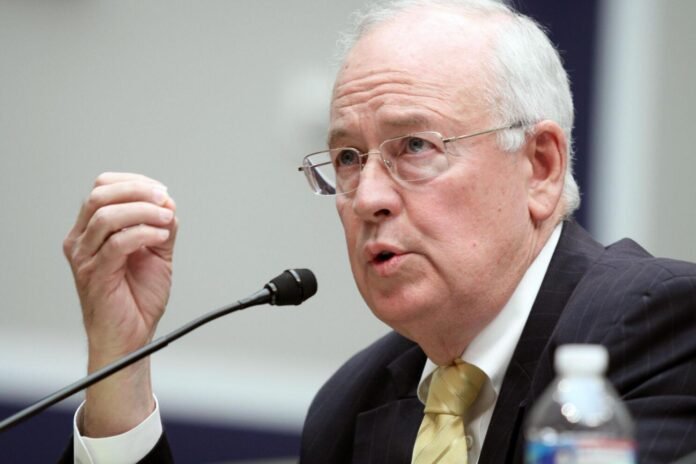

jeffrey louis starr is a name that resonates today for two reasons—one tied to Hollywood memories, the other to a high-stakes legal battle shaking America’s education system. The former child actor, known for his role in The Bad News Bears films, has passed away at the age of 61. At the same time, his name also connects symbolically to a fight between a Harvard-trained legal mind and the Trump administration over the future of elite universities.
Key Points Summary
A fast-track snapshot for quick readers:
- Former Bad News Bears actor Jeffrey Louis Starr dies at 61 after illness.
- Harvard-trained lawyer emerges as a central figure in Trump’s clash with top universities.
- Legal showdown could set precedent for academic freedom and funding.
A Life Remembered
Born in 1964, jeffrey louis starr first entered public view as a child actor in the 1970s, playing the memorable role of Mike Engelberg in The Bad News Bears in Breaking Training and The Bad News Bears Go to Japan. His youthful energy, comedic timing, and lovable screen presence captured the hearts of audiences around the country.
Off-screen, Starr lived a quieter, more grounded life. After stepping away from acting, he devoted himself to faith, family, and community service. Friends and relatives recall his generous spirit, deep sense of humor, and dedication to his church, where he served for over a decade. Starr leaves behind children, grandchildren, and a legacy of kindness that reached far beyond the film industry.
His passing marks the end of an era for fans of the classic baseball comedies and for those who knew him personally. While Hollywood remembers him for his performances, those closest to him will cherish the warmth and sincerity that defined his private life.
Harvard vs. Trump: A Battle Over Academic Freedom
At the same moment the entertainment world reflects on Starr’s legacy, another story unfolds with high national stakes. A Harvard-trained lawyer has become a pivotal figure in a legal showdown between Harvard University and the Trump administration. The dispute centers on billions of dollars in federal research funding, alleged political interference, and the future autonomy of America’s top universities.
The administration has pushed for sweeping changes—demanding ideological oversight in hiring, monitoring of faculty speech, and compliance checks on “viewpoint diversity.” In response, Harvard and several other leading institutions have taken the matter to court, arguing that such measures undermine academic independence.
This legal fight has attracted bipartisan attention, with Harvard’s defense team including prominent conservative attorneys alongside liberal legal scholars. The aim is to frame the battle not as a partisan dispute, but as a fundamental question about constitutional rights and institutional integrity.
Why the Case Matters
The outcome of this case could influence how universities across the country operate. Key questions include:
- Funding conditions – Can federal money be tied to political or ideological compliance?
- Free expression – Where is the line between accountability and academic freedom?
- Precedent – Could this ruling affect private institutions beyond Harvard?
If Harvard prevails, universities may gain stronger protections against political interference. If the administration wins, it could open the door for more federal control over research priorities and campus culture.
Two Legacies, One Moment in Time
While the legal battle unfolds, the memory of jeffrey louis starr the actor serves as a reminder that public impact can come in many forms—whether through courtroom strategy or a heartfelt film performance. One story speaks to defending institutions against political pressure; the other, to the enduring joy of youthful artistry on screen.
Both legacies highlight dedication—one to the craft of acting and a community-driven life, the other to safeguarding principles that could shape the academic landscape for generations.
jeffrey louis starr will be remembered for his humor, heart, and the way he touched both audiences and loved ones alike. And as the Harvard-Trump confrontation moves toward its next decisive stage, the fight for academic freedom remains a defining challenge of our time.
What are your thoughts on Starr’s legacy or the Harvard case? Share your reflections and keep the conversation alive.