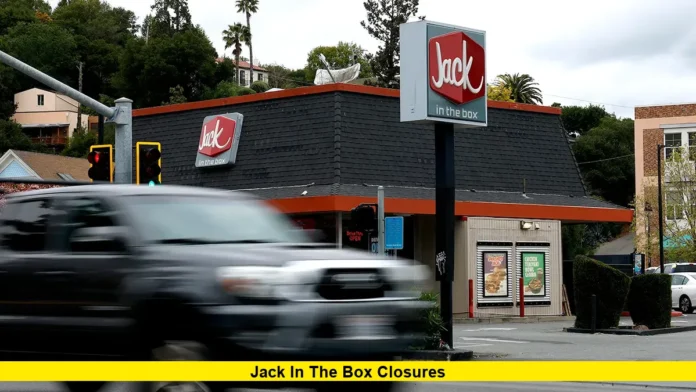

Fast food lovers across the United States face tough news as Jack in the Box closures continue to make headlines. The iconic chain, known for its late-night munchies and quirky mascot, shuts down dozens of underperforming spots. These moves stem from a strategic push to boost finances amid tough market conditions. Fans wonder if their go-to drive-thru will survive the cut.
Jack in the Box operates over 2,100 locations nationwide. The company launched a major overhaul earlier this year. Leaders aim to streamline operations and focus on stronger markets. This decision affects communities from coast to coast.
The “JACK on Track” Plan Takes Center Stage
Company executives unveiled the “JACK on Track” initiative in spring. This bold strategy targets long-term growth. It involves closing 150 to 200 restaurants by next year. Officials pinpoint underperforming sites, many over 30 years old.
The plan kicks off with aggressive action this year. Leaders set a goal of 80 to 120 closures by December 31. So far, 72 spots have already shut their doors. The pace quickened in recent months, with 12 closing in May, 13 more by August, and 47 in November.
Executives emphasize efficiency. They sell off real estate from closed sites to generate cash. This money pays down debt and funds improvements. The chain also halts dividend payments to shareholders, redirecting funds to core business needs.
Why Jack in the Box Faces These Challenges
Economic pressures hit the fast food industry hard. Rising costs squeeze margins. Beef prices climbed significantly this year, impacting menu staples like burgers and tacos. Commodity inflation runs in the low to mid-single digits.
Customer traffic dips as inflation bites into budgets. Families cut back on dining out. Jack in the Box reports a 7.4 percent drop in fourth-quarter sales. The chain posts a net loss of $80.7 million for the fiscal year ending in September.
High debt levels add to the strain. Obligations exceed annual earnings. Leaders act decisively to reduce leverage. They aim to drop debt by $300 million over two years.
Competition intensifies. Rivals like McDonald’s and Taco Bell innovate with value meals and digital ordering. Jack in the Box struggles to keep pace in some regions. Underperforming stores drag down overall performance.
Specific Locations Hit by Closures
Details on exact spots remain limited. The company does not release a full list. However, reports confirm closures in several states.
In Washington, two sites close their doors in September. The University Way Northeast location in Seattle and the West Valley Highway spot in Tukwila cease operations. These moves affect about 26 employees.
Other closures target the Southeast and Texas. Around 40 corporate stores in seven states shut down recently. These include spots in Florida, Georgia, and South Carolina. Texas sees multiple sites go dark, focusing on underperformers.
California, the chain’s home base, experiences some impacts. High wages from recent labor laws add pressure. Utility costs rise, further challenging profitability.
Nevada locations appear safe for now. No confirmed closures hit the Silver State. Fans in strong markets like the West Coast breathe easier.
Impact on Employees and Local Communities
Closures disrupt lives. Workers face sudden job loss. The chain employs thousands across its network. Affected staff receive severance and support where possible.
Franchisees feel the pinch. Many operate multiple sites. Closing one location ripples through their business. Some franchise owners opt out of renewals, accelerating shutdowns.
Communities lose a familiar fixture. Jack in the Box serves as a quick meal option for night owls and families. Local economies suffer from reduced foot traffic. Nearby businesses miss the spillover customers.
Customers express disappointment. Social media buzzes with stories of favorite menu items. The chain’s signature tacos and curly fries hold nostalgic value for many.
Broader Trends in the Fast Food Sector
Jack in the Box joins a wave of industry shakeups. Other chains trim footprints amid similar woes. Rising labor costs and supply chain issues plague the sector.
California’s minimum wage hike to $20 per hour hits hard. Chains pass costs to customers or cut hours. Some automate more to offset expenses.
Nationwide, fast food sales soften. Consumers seek value amid high prices. Drive-thru lines shorten as people cook at home.
Yet, opportunities emerge. Chains invest in technology. Mobile apps and delivery partnerships grow. Jack in the Box pushes digital innovations to attract younger diners.
What the Future Holds for Jack in the Box
Leaders eye recovery post-closures. The chain plans positive net unit growth after the purge. New openings target high-potential areas.
Investments flow into reimaging stores. Modern designs and updated menus aim to draw crowds. Technology upgrades enhance ordering and service.
The company explores selling its Del Taco brand. This move simplifies focus on the core Jack in the Box operations. Proceeds could further bolster the balance sheet.
Executives forecast adjusted earnings between $5.05 and $5.40 per share this year, excluding late actions. Same-store sales dip in the negative low-to-mid single digits.
Capital spending hits $100 to $105 million. Share buybacks range from $5 to $15 million. These steps signal confidence in turnaround.
How Customers Can Adapt to Changes
Fans adapt by checking store locators online. Many locations remain open, especially in strong markets. Drive a bit farther for that Jumbo Jack fix.
Explore menu alternatives at home. Recreate favorites like stuffed jalapeños or egg rolls. Recipes abound for DIY versions.
Support local spots. Frequent visits help sustain remaining stores. Loyalty programs reward repeat customers with deals.
Watch for promotions. The chain rolls out value bundles to combat sales dips. Limited-time offers keep things exciting.
Financial Health and Investor Outlook
The chain’s stock reflects challenges. Shares fluctuate amid closure news. Investors monitor debt reduction progress.
Adjusted EBITDA targets $282 to $292 million this year. Restaurant margins aim for 19 to 21 percent. These metrics guide recovery efforts.
Leaders commit to an asset-light model. Franchising grows, reducing company-owned risks. This shift promises stability.
Lessons from Past Turnarounds
Jack in the Box boasts a 74-year history. Founded in San Diego, it pioneers drive-thru service. Past hurdles include food safety issues in the 1990s.
The chain rebounds through innovation. Menu expansions like breakfast all day pay off. Adaptability defines its story.
Current closures echo strategies from competitors. Successful pivots often lead to stronger brands. Time tells if this plan succeeds.
Community Reactions and Stories
Diners share mixed feelings. Some mourn lost convenience. Others understand business needs.
Online forums light up with discussions. Fans swap tips on nearest open spots. Nostalgia fuels conversations about classic ads featuring the Jack mascot.
Employees speak out. Many find new roles within the chain. Others transition to rival fast food jobs.
Staying Informed on Fast Food Shifts
Industry watchers track these developments. Closures highlight economic realities. Consumers adjust habits accordingly.
Jack in the Box remains committed to quality. Core fans stick around for the unique offerings.
The chain’s resilience shines through. Strategic moves position it for future success.
What are your thoughts on these Jack in the Box closures? Drop a comment below and keep an eye out for the latest fast food updates.