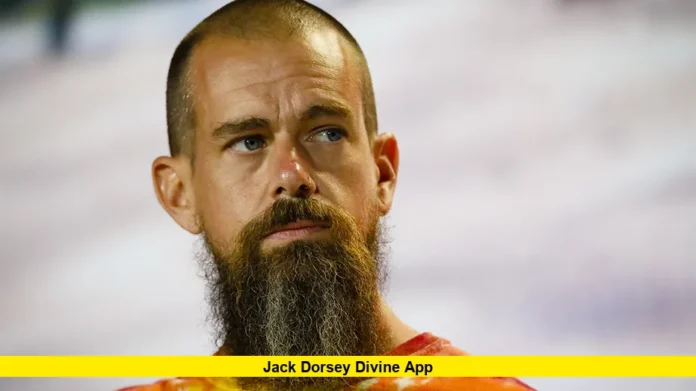

In the latest move shaking up social media, tech entrepreneur Jack Dorsey has backed the new app Divine — often described as the “jack dorsey divine app” revival of the former Vine format. The launch, announced in mid-November 2025, brings both nostalgia and innovation to short-form video by combining the six-second loops Vine made famous with an archive of legacy content and a new prohibition on generative AI uploads.
What’s New With Jack Dorsey’s diVine App?
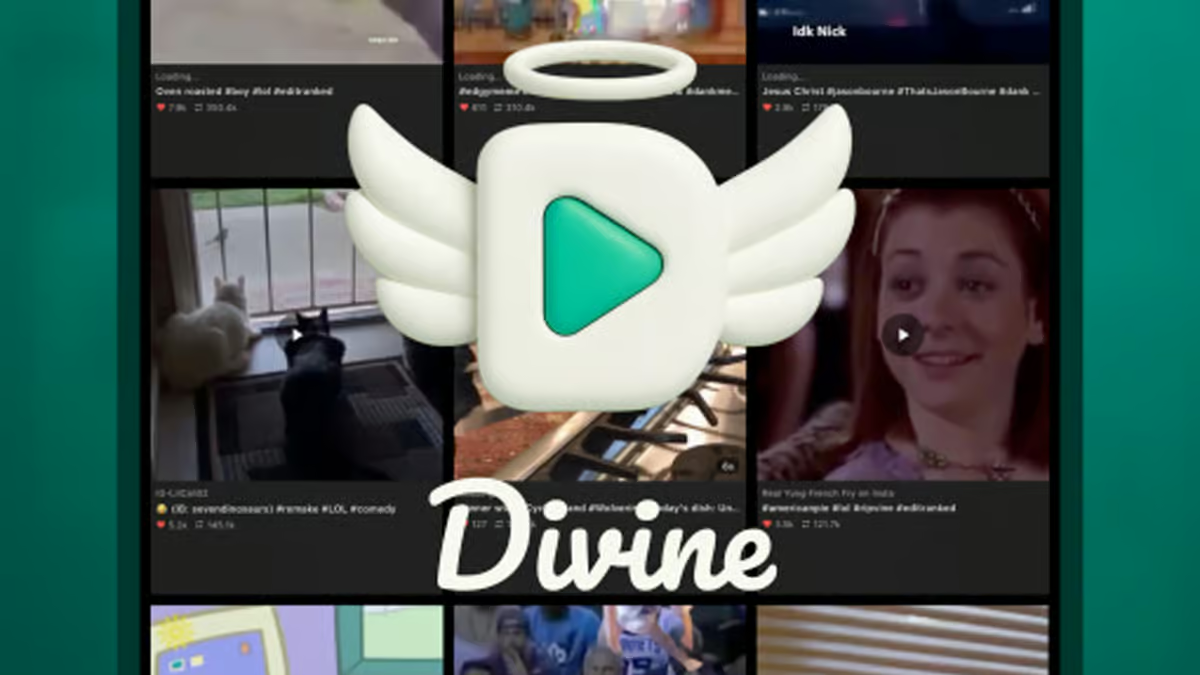
Jack Dorsey’s long-anticipated revival of the Vine concept has arrived in the form of diVine, a new six-second video platform funded through his nonprofit Other Stuff, which he established in May 2025. The project reflects Dorsey’s ongoing push toward decentralization, digital preservation, and human-authored media.
Massive Archive at Launch
diVine launches with an unprecedented library of over 100,000 original Vine clips, all recovered through a community-driven archival effort. These videos—many of which come from creators who helped define the original platform—form the foundation of the app’s nostalgic and cultural reboot. In addition to the videos themselves, legacy creator profiles from the Vine era have been restored when possible, giving returning users a sense of continuity.
Six-Second Loop Videos Are Back
The core experience mirrors what made Vine iconic: users can now upload new six-second looping videos, keeping the format’s trademark brevity and creative constraints. diVine positions itself as a platform that celebrates quick storytelling, humor, and personality without relying on algorithmic noise or ultralong content.
Built on Nostr & Fully Open Source
One of diVine’s most defining characteristics is its architecture. The platform is built on Nostr, the decentralized, censorship-resistant protocol long championed by Dorsey. By embracing Nostr and being fully open source, diVine aims to break away from the centralized hosting and corporate control that dominated the original Vine’s life cycle. Data isn’t trapped inside one company; instead, it lives across the protocol, aligning with Dorsey’s broader vision for user-controlled social media.
A “Human-Made Only” Approach
Unlike mainstream video platforms, diVine takes a firm stance on authenticity. The app actively scans uploads for signs of generative-AI creation; if a clip is suspected to be AI-generated, the upload is blocked and flagged. This policy is designed to preserve the original spirit of Vine—spontaneity, creativity, and real human expression—at a time when AI-generated media is rapidly flooding social platforms.
Availability & App Store Hurdles
diVine is currently live on Android, giving early adopters full access to its features. However, the iOS version has encountered App Store review complications, delaying its release on Apple devices. The team has not yet offered a public timeline for when those issues may be resolved.
Why This Matters for the U.S. Social-Media Landscape
Short-form video remains one of the most crowded battlegrounds in American social media. TikTok, Instagram Reels, YouTube Shorts, and Snapchat dominate the space with algorithm-driven feeds, AI-enhanced creation tools, and recommendation engines that prioritize retention over creativity. In this environment, the Jack Dorsey Divine App (diVine) enters the market with a sharply different philosophy—one grounded in nostalgia, decentralization, and human-made media.
diVine’s revival of the six-second loop format speaks directly to users who miss the raw, spontaneous creativity that defined Vine from 2013 to 2016. Its approach offers several notable shifts for the U.S. market:
- A return to simplicity and spontaneity.
The strict six-second limit forces creativity without overwhelming filters, effects, or AI features. This format stands out at a time when major platforms reward longer, more polished, and often AI-assisted content. - A rejection of algorithm-optimized and AI-generated video.
diVine’s refusal to host generative-AI content—and its active detection of it—creates a rare space focused entirely on human expression. With AI-generated video now flooding TikTok and other platforms, diVine positions itself as one of the only “human-first” short-form apps. - A decentralized, open-source foundation.
By building on Nostr and openly sharing its codebase, diVine appeals to U.S. users and creators who are increasingly suspicious of centralized big-tech platforms. It provides transparency and avoids the opaque moderation, data-collection practices, and engagement-driven algorithms used elsewhere.
For American creators and everyday users, this combination offers the potential for a more authentic, less corporate-controlled social space—one where legacy Vine creators can reconnect with audiences and new voices can thrive without being buried by algorithmic ranking. In a market dominated by massive tech companies, diVine introduces a rare alternative: a platform that values creativity, community, and digital ownership over engagement metrics.
Timeline of Key Events (Jack Dorsey Divine App)
| Date | Event | Notes |
|---|---|---|
| May 2025 | “and Other Stuff” nonprofit launched | Dorsey’s vehicle for experimental, open-source social projects |
| November 12 2025 | TechCrunch reports Dorsey funding diVine | Funding and archive details become public |
| November 13 2025 | Media highlight launch of diVine | AV Club, Futurism explain features and policy around AI ban |
| November 14 2025 | Wikipedia record entry (provisional) | Lists ~150,000-200,000 archived Vines from ~60,000 creators |
What creators and users should be aware of
- Copyright and legacy content: The archived videos originate from community-based backup efforts following Vine’s shutdown in 2016. Creators retain copyright and can request a takedown or verification to reclaim their original profiles.
- AI prohibition: diVine uses tech (from The Guardian Project) to verify that uploads are smartphone-recorded and human-made; AI-generated content is blocked.
- Device & OS availability: Android users can access diVine now; iOS users may face delays due to App Store review hurdles.
- Community building: Because the platform is built on decentralized protocol, the possibility exists for developer forks, alternate clients, and custom hosting—encouraging a community-driven ecosystem rather than top-down corporate control.
- Competition & future: Although Elon Musk’s X/Twitter once pledged to resurrect Vine’s archive, diVine appears to have launched earlier and backed by Dorsey’s open-strategy.
U.S. user implications and early reception
Initial reactions in the U.S. suggest excitement around nostalgia and scepticism about longevity. On Reddit, users noted:
“AI-generated content is not allowed.”
“Divine on the other hand is running on the idea that people want to see content from real people.”
That commentary reflects a market segment fatigued by algorithm-heavy and AI-dominated platforms. For U.S. creators, diVine offers a chance to re-engage with older formats and build new audiences in a differentiated space. For everyday users, diVine provides an alternative social feed less driven by data optimization and more by creator authenticity.
Challenges ahead
- Scale & content depth: While 100,000+ archived videos exist, this represents a fraction of Vine’s original millions-plus library.
- Monetization & business model: With open-protocol architecture and a ban on AI content, diVine may face monetization challenges common to decentralized platforms.
- User adoption: Competing with TikTok and Instagram Reels in the U.S. means quickly building a critical mass of users and creators.
- App store & regulatory hurdles: iOS delay and potential moderation/regulation issues around user content may slow adoption.
Bottom line
The “jack dorsey divine app” initiative marks a significant moment in short-form video — a revival of Vine’s six-second loop model combined with archival content and an explicit anti-AI stance. For U.S. users and creators, diVine offers a fresh, creator-centric alternative to mainstream platforms. As it evolves, its success will hinge on user adoption, creator retention, and how well it delivers on the promise of authenticity and decentralization.
We’d love your take: Will you try diVine and potentially build new audiences there? Let us know in the comments below.