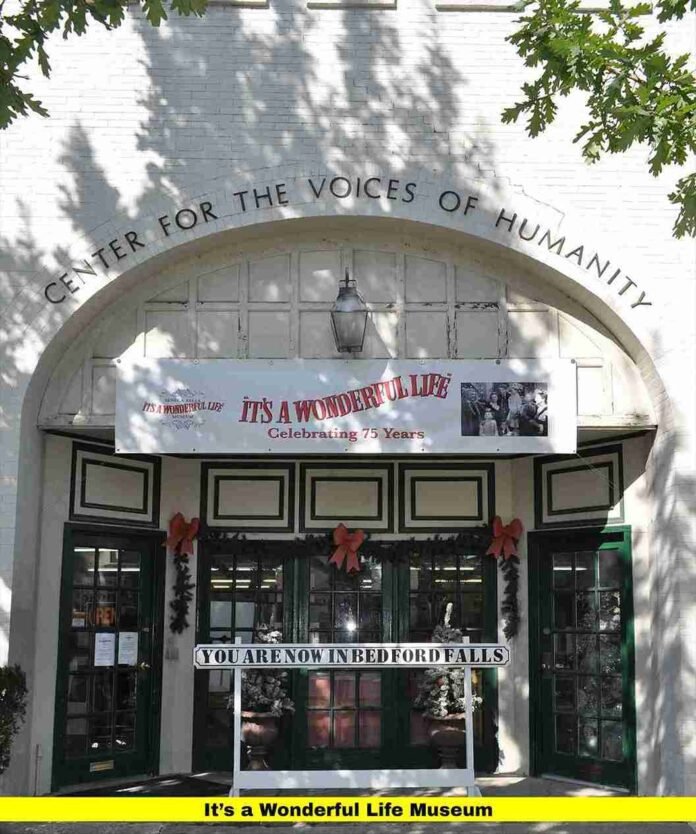

It’s a Wonderful Life Museum continues to draw national attention today as visitors travel to upstate New York to experience one of the most recognized film-related museums in the United States. The museum remains open, active, and closely tied to ongoing cultural events, seasonal programming, and year-round tourism connected to the beloved classic film.
This article provides a complete, factual, and current look at the museum, its purpose, its exhibits, and why it continues to matter for American film history and small-town tourism.
What the Museum Represents Today
The museum serves as a permanent space dedicated to preserving and celebrating the legacy of the 1946 film It’s a Wonderful Life. It is not a temporary exhibit or seasonal attraction. Instead, it operates year-round and functions as a cultural landmark for fans of classic American cinema.
Visitors encounter a focused experience that highlights the film’s creation, themes, and long-term cultural influence. The museum emphasizes authenticity, education, and emotional connection rather than spectacle.
Location and Setting
The museum is located in Seneca Falls, New York, a town long associated with inspiration for the fictional setting of Bedford Falls. The surrounding area reinforces the experience, as visitors often explore historic streets, bridges, and waterways that visually echo scenes remembered from the film.
Its placement within a walkable downtown area makes it easily accessible to tourists arriving by car or regional travel routes. Nearby shops and historic sites support a full-day visit without overwhelming the small-town atmosphere.
Current Status and Operations
As of today, the museum remains open to the public and continues to welcome visitors throughout the year. Seasonal increases in attendance typically occur during late fall and December, but the museum maintains consistent hours outside peak holiday periods as well.
Staffed by knowledgeable guides and supported by community volunteers, the museum focuses on maintaining accurate displays and preserving artifacts in controlled conditions.
Exhibits and Displays Inside
Inside the museum, visitors find a curated collection of original and reproduction items connected directly to the film. These exhibits focus on storytelling rather than volume, allowing guests to move through the space at a relaxed pace.
Displayed items include production-related photographs, scripts, promotional materials, and signed memorabilia. Each exhibit includes clear explanations that place the objects within historical context.
The museum avoids overuse of technology, choosing instead to emphasize physical artifacts and printed narratives that appeal to visitors of all ages.
Connection to Film History
The museum does not attempt to retell the entire movie scene by scene. Instead, it focuses on how the film was made, how it was received at release, and how its reputation evolved over decades.
This approach helps visitors understand why the film gained lasting recognition, particularly through television broadcasts that introduced it to new generations. The museum frames the film as a cultural phenomenon rather than a static artifact.
Role in Annual Events
The museum plays a central role during the town’s annual film celebration events, which include screenings, guided tours, and guest appearances. These events are coordinated carefully to maintain accuracy and respect for the film’s legacy.
During these periods, the museum often extends hours and hosts special exhibits. Despite increased crowds, the focus remains educational rather than commercial.
Educational Value for Visitors
Educational outreach remains a key function of the museum. School groups, film students, and historians frequently visit to study how classic films were produced and preserved.
The museum’s layout supports guided learning, with exhibits arranged to follow a clear narrative timeline. This structure helps visitors understand both the film’s origin and its long-term impact on American storytelling.
Why the Museum Matters Culturally
The museum stands as a reminder of how a single film can influence national culture. Themes of community, resilience, and personal value resonate across generations, and the museum highlights how these ideas continue to connect with audiences today.
Rather than presenting nostalgia alone, the museum frames the film as a reflection of enduring social values. This approach keeps the experience relevant rather than dated.
Tourism Impact on the Community
The museum contributes significantly to local tourism. Visitors often travel specifically to see it, supporting nearby hotels, restaurants, and local businesses.
This steady flow of visitors has helped sustain downtown revitalization efforts without transforming the town into a purely commercial destination. The museum’s modest size and respectful presentation support balanced growth.
Visitor Experience and Atmosphere
The experience inside the museum remains calm and reflective. Unlike larger attractions, it encourages visitors to slow down, read displays, and engage emotionally with the material.
Staff members are available to answer questions and share verified historical details. This personal interaction enhances the experience without turning it into a guided performance.
Seasonal Interest and Holiday Appeal
While the museum operates year-round, interest increases significantly during the winter season. The film’s association with the holidays naturally draws visitors during that time.
Despite this seasonal surge, the museum does not rebrand itself as a holiday-only destination. Exhibits remain consistent throughout the year, reinforcing its role as a permanent cultural institution.
Preservation and Accuracy Standards
The museum places strong emphasis on factual accuracy. Displays are reviewed and updated when new verified information becomes available. This commitment ensures that visitors receive reliable historical context rather than myths or exaggerated claims.
Artifacts are preserved under appropriate conditions to maintain long-term integrity. This behind-the-scenes work remains largely unseen but essential to the museum’s mission.
National Recognition and Public Interest
Over time, the museum has gained recognition far beyond New York State. Media coverage, social media mentions, and word-of-mouth recommendations continue to bring national and international visitors.
Despite this attention, the museum avoids dramatic expansion. Its leadership prioritizes quality over scale, ensuring that growth does not dilute the visitor experience.
Why Interest Remains Strong Today
Interest in the museum remains strong because the film itself continues to resonate. Television broadcasts, home media, and digital platforms introduce new audiences each year.
The museum benefits from this continued exposure while also reinforcing the film’s deeper themes. Visitors often leave with renewed appreciation rather than simple nostalgia.
Accessibility and Visitor Planning
The museum is designed to be accessible and easy to navigate. Clear signage, compact layout, and friendly staff support visitors of all ages.
Many guests combine their visit with walking tours of the surrounding area, creating a broader understanding of the town’s connection to the film’s atmosphere.
Community Involvement
Local involvement plays a major role in the museum’s success. Volunteers, historians, and longtime residents contribute stories and support operations.
This community connection ensures the museum remains rooted in place rather than becoming detached from its surroundings.
The Museum’s Long-Term Role
Looking ahead, the museum is positioned to remain a steady presence rather than a trend-driven attraction. Its focus on preservation, education, and respectful storytelling supports long-term relevance.
As interest in classic cinema continues, the museum stands ready to welcome new audiences while honoring established fans.
A Lasting Destination for Film Lovers
The museum offers something increasingly rare: a quiet, thoughtful space dedicated to a single film’s cultural impact. It does not rely on flashy displays or constant reinvention.
Instead, it trusts the strength of the story it preserves.
Have you visited this museum or plan to explore it in the future? Share your thoughts and stay connected as its story continues to inspire visitors across generations.