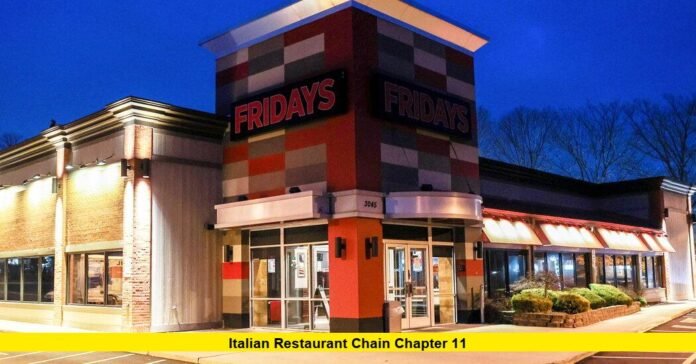

The phrase Italian restaurant chain chapter 11 has been making headlines in the dining and hospitality industry over the past couple of years. Several well-known brands in the sector have faced financial strain in the wake of rising costs, shifting dining trends, and increasing competition. However, as of August 2025, there are no confirmed new bankruptcy filings for major Italian restaurant chains. The most recent high-profile filing remains that of past cases in previous years, and we have no updated data leading into August 2025 regarding additional chapter 11 developments.
Italian dining chains in the United States have always been a popular choice for casual dining, but the market continues to face significant headwinds. Higher operating expenses, ongoing real estate challenges, and changing consumer habits, especially shifting toward smaller local eateries and delivery options, have impacted larger franchise models.
Background on Italian Restaurant Chain Chapter 11 Filings
In the casual dining market, Italian restaurant groups often operate with high fixed costs—from rent and staffing to ingredient sourcing. When economic pressures rise, such as inflation on food staples like cheese, meat, and flour, these businesses can face steep financial challenges.
- Long-term leases: Many national and regional chains struggle with large leased footprints in shopping centers.
- Debt obligations: Heavy borrowing before the pandemic left several companies vulnerable.
- Labor shortages: Staffing costs in both the United States and Europe have risen significantly since 2020.
When these financial and operational burdens converge, filing for chapter 11 bankruptcy can be a path for companies to restructure debt while attempting to keep operations alive.
What Has Happened in Previous Years
Several casual dining brands, including some with Italian-style menus, filed for chapter 11 in past years. While some emerged from the process leaner and more focused on their core business, others ultimately closed a number of stores.
The pandemic period particularly accelerated closures, but in the years that followed, many chains had to overhaul their strategies to remain competitive. Offers of family deals, menu innovation, and tech-driven ordering systems became crucial in surviving the pressure.
It’s notable that not all bankruptcies have led to closures. Some Italian restaurant operators have successfully used chapter 11 to negotiate better lease terms and scale down their real estate portfolios while continuing to serve loyal customers.
Current Status as of August 2025
As of now, no fresh reports have surfaced about a major Italian restaurant chain chapter 11 filing in 2025. Existing companies in the sector continue to operate without announced bankruptcy protection moves this year.
That said, financial analysts remain watchful. Rising food and labor costs continue to squeeze profit margins, and companies heavily reliant on in-person dining must also compete with fast-casual brands and delivery-only “ghost kitchens.” This competitive environment means that future financial challenges cannot be ruled out, even if no new filings have occurred yet.
Broader Industry Impact
Even without recent filings, the landscape for Italian restaurant chains remains in flux. Key challenges include:
- Rising commodity costs: Cheese, wheat, tomatoes, and meat remain volatile in price.
- Changing consumer behavior: Younger customers show strong interest in local, authentic experiences versus mass-market casual chains.
- Technology adoption: Brands investing in AI-powered ordering systems and delivery platforms show stronger resilience.
- Real estate pressure: Physical locations in malls and suburban centers face slower traffic compared to pre-2020 levels.
These factors combined mean Italian restaurant operators, whether independent or large brands, must adapt quickly to avoid potential financial trouble.
What to Expect Ahead
If the sector experiences another downturn, analysts predict that companies most vulnerable will be those with high debt, large underperforming stores, and slower adoption of digital ordering systems. Meanwhile, chains that have leaned into off-premise dining, meal kits, and streamlined menus seem more prepared for ongoing challenges.
While no new filings have been reported in 2025, industry experts agree that keeping a close watch on upcoming quarterly earnings and debt obligations across the restaurant space will provide clues about future risks.
Conclusion
The story of Italian restaurant chain chapter 11 filings is not over, even without new updates this year. The industry continues to balance tradition and adaptability, and financial restructuring remains a possibility if market conditions worsen. For now, however, no new chapter 11 filings have been reported up to August 2025.
What are your thoughts—will Italian chains reinvent themselves and thrive, or are more closures on the horizon? Share your views below and join the conversation.