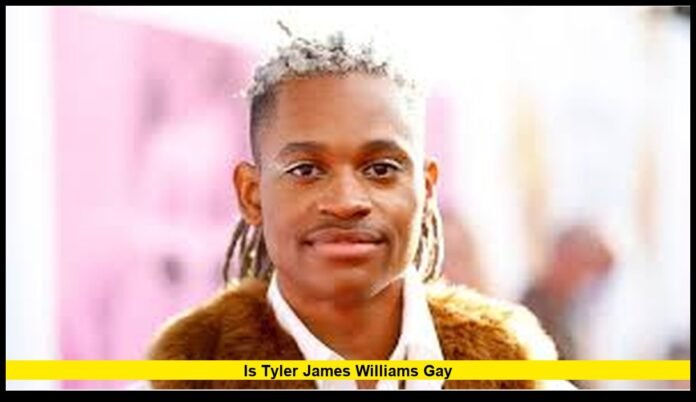

Is Tyler James Williams gay is a question that continues to trend across search engines, social platforms, and entertainment forums. As of today, the actor has clearly and publicly stated that he is not gay. He has also addressed why ongoing speculation about anyone’s sexuality can be harmful, misleading, and rooted in outdated stereotypes. His response remains the most accurate and current information available, and no later statement has altered that position.
Tyler James Williams is widely recognized for his thoughtful public presence, award-winning performances, and measured way of handling personal topics. When discussions about his sexuality began circulating online, he chose not to ignore them. Instead, he responded directly and used the moment to speak about identity, privacy, and the dangers of labeling people based on assumptions.
Who Tyler James Williams Is in Today’s Entertainment Landscape
Williams has been in the public eye since childhood, first gaining fame for his breakout role in the comedy series Everybody Hates Chris. As an adult, he re-established himself as a leading television actor through his critically acclaimed performance on Abbott Elementary, where he plays the socially reserved but emotionally sincere teacher Gregory Eddie.
Beyond acting, he is known for:
- Speaking openly about mental health
- Supporting diversity and inclusion in Hollywood
- Choosing roles that challenge stereotypes
- Maintaining a private personal life despite intense public interest
This combination of sensitivity, emotional openness, and artistic range has sometimes led to unfair assumptions about his sexuality, a pattern he has openly criticized.
What Tyler James Williams Has Said About His Sexual Orientation
During Pride Month, Williams addressed online speculation in a direct message to his followers. In that statement, he confirmed that he is not gay. He did so calmly and respectfully, without defensiveness, and without diminishing the importance of LGBTQ+ visibility.
He also explained that trying to determine someone’s sexuality based on:
- Their voice
- Their fashion sense
- Their emotional expression
- The roles they play on screen
- Their friendships or mannerisms
is not only inaccurate but also harmful. According to Williams, this kind of speculation reinforces narrow definitions of masculinity and creates unnecessary pressure on people who are still discovering or protecting their identity.
He made it clear that:
- Being straight does not follow one template.
- Being gay does not follow one template.
- No one owes the public an explanation of their private life.
His message was widely viewed as supportive of LGBTQ+ individuals while also setting firm boundaries about his own identity.
Why the Topic Keeps Resurfacing Online
The question of whether Tyler James Williams is gay continues to appear for several interconnected reasons.
1. Emotional Depth in His Performances
Williams often portrays characters who are introspective, gentle, and emotionally expressive. In a culture that still links masculinity to emotional restraint, such traits are sometimes misinterpreted or unfairly labeled.
2. Past Roles in Inclusive Storylines
He has appeared in projects that explore identity, race, and sexuality with nuance. Some viewers mistakenly assume that playing a role connected to these themes reflects an actor’s personal orientation.
3. Public Comfort With Vulnerability
Williams speaks openly about anxiety, personal growth, and the pressures of fame. This openness, while admired, has also led to misguided assumptions by those who still equate vulnerability with sexual orientation.
4. The Nature of Celebrity Culture
Search trends often reflect curiosity rather than evidence. When a topic gains traction once, it can resurface repeatedly, even after it has already been clarified.
His Broader Message About Labels and Identity
Rather than simply answering a rumor, Williams used his platform to address a wider issue: the habit of trying to define people before they define themselves.
He pointed out that:
- Guessing someone’s sexuality can place emotional stress on individuals who are not ready to speak publicly.
- Public speculation can unintentionally discourage people from coming out when they feel safe.
- Stereotyping limits both straight and LGBTQ+ individuals by enforcing rigid expectations.
His approach was not about shutting down conversation, but about encouraging respect and patience.
Relationship Status and Personal Life
Williams keeps his dating life largely private. In recent interviews, he has spoken about relationships in a general sense, focusing on emotional maturity, communication, and shared values. He has not publicly confirmed a partner and has not made any statements suggesting a change in his previously clarified orientation.
What he has emphasized is:
- The importance of authenticity
- The value of privacy
- The need for healthy boundaries between public life and personal identity
Nothing in his recent public comments contradicts his earlier statement that he is heterosexual.
Public Response to His Statement
Many fans and observers responded positively to how he handled the situation. His message was seen as:
- Calm rather than confrontational
- Educational rather than dismissive
- Supportive of LGBTQ+ communities
- Firm in protecting personal boundaries
Instead of fueling speculation, his words helped shift the conversation toward understanding how damaging casual labeling can be.
The Role of Stereotypes in Celebrity Assumptions
The persistence of questions about Tyler James Williams’ sexuality highlights a larger cultural issue. Society often relies on visual or behavioral cues to make assumptions about identity, even though:
- Sexual orientation cannot be determined by appearance.
- Personality traits do not indicate attraction.
- Artistic expression is not a personal declaration.
Williams’ experience mirrors that of many public figures who challenge traditional norms of masculinity and therefore become targets of unnecessary speculation.
Why Clear, Verified Information Matters
In an age of fast-moving digital content, rumors can spread far more quickly than corrections. When a public figure addresses a topic directly, their own words should be treated as the primary reference point.
As of today:
- Tyler James Williams has stated he is not gay.
- He has not issued any statement that reverses or modifies that clarification.
- He has expressed allyship and respect for LGBTQ+ individuals.
- He has asked the public to avoid defining people through stereotypes.
There is no verified update that changes this position.
Respecting Privacy While Supporting Visibility
Williams’ response struck a balance between:
- Affirming his own identity
- Supporting LGBTQ+ visibility
- Calling out harmful social habits
- Encouraging empathy for those still navigating their own journey
By doing so, he demonstrated that one can be an ally without being the subject of speculation, and that personal truth should never be forced into public debate.
Understanding the Continuing Search Interest
Search engines often reflect what people are curious about, not what is unresolved. Even when a question has a clear answer, it may continue to appear because:
- New audiences discover the actor each year.
- Clips and interviews resurface on social media.
- Trending topics renew interest in older discussions.
This ongoing visibility explains why the query remains active despite having been addressed.
Final Perspective
The most accurate and current answer to the question is Tyler James Williams gay comes from the actor himself. He has said he is not. He has also spoken about the importance of allowing people to define themselves without pressure, stereotypes, or public guessing.
His handling of the topic reflects the same qualities that have defined his career: thoughtfulness, honesty, and a commitment to respectful dialogue.
What do you think about how public figures navigate personal questions in the digital age? Share your thoughts and stay connected for future verified updates.