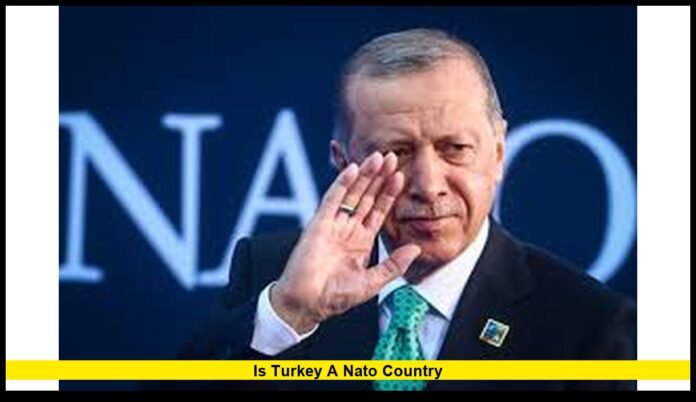

Is Turkey a NATO country? Yes, Turkey is a NATO country and remains one of the alliance’s most strategically important members as of March 2026. The country joined the North Atlantic Treaty Organization in 1952 and continues to play a central role in NATO’s military structure, regional security planning, and collective defense strategy. Recent geopolitical tensions, the ongoing war in Ukraine, and NATO expansion in Europe have placed Turkey in a critical position within the alliance.
For U.S. audiences following global security developments, Turkey’s NATO membership matters because of its military capabilities, geographic location, and influence over security in Europe, the Middle East, and the Black Sea region.
Turkey’s NATO Membership: Key Facts
Turkey officially became a NATO member on February 18, 1952, alongside Greece. The expansion came during the early Cold War, when NATO sought stronger defense positions against Soviet influence in Europe and the Mediterranean.
Here are several important facts about Turkey’s membership:
| Category | Details |
|---|---|
| NATO Membership | Joined February 18, 1952 |
| Founding Organization | North Atlantic Treaty Organization (NATO) |
| Military Size | One of NATO’s largest standing armies |
| Strategic Location | Bridges Europe, Asia, and the Middle East |
| NATO Missions | Participates in joint defense, intelligence, and peacekeeping |
Turkey remains a full NATO member with voting rights and treaty obligations, including Article 5, which states that an attack on one member is considered an attack on all.
Why Turkey Joined NATO
Turkey sought NATO membership after World War II to strengthen its national security. At the time, the Soviet Union pushed territorial demands on Turkey’s eastern provinces and sought greater control of the Turkish Straits.
Joining NATO offered several benefits:
- Security guarantees under Article 5
- Military cooperation with Western allies
- Access to defense technology and training
- Strategic alignment with the United States and Europe
The United States strongly supported Turkey’s membership because of its geographic position near the Soviet Union and the Middle East.
Since then, Turkey has remained one of NATO’s longest-serving members.
Turkey’s Strategic Location Within NATO
Turkey’s location makes it uniquely valuable to NATO operations.
The country sits at the crossroads of Europe, Asia, and the Middle East, controlling access between the Black Sea and the Mediterranean through the Bosporus and Dardanelles straits.
This position affects several major security areas:
- Black Sea naval access
- Middle East security operations
- Energy transit routes
- Migration routes into Europe
Because of this geography, NATO relies on Turkey for logistical access, intelligence coordination, and regional deterrence.
Several NATO operations have relied on Turkish territory and airspace.
U.S. and NATO Military Presence in Turkey
Turkey hosts important NATO and U.S. military infrastructure. One of the most notable sites is Incirlik Air Base, located in southern Turkey.
The base supports:
- NATO air operations
- U.S. military deployments
- Intelligence missions
- Strategic deterrence capabilities
Incirlik has played a role in missions involving:
- Operations against ISIS
- Middle East surveillance
- NATO rapid-response activities
Turkey also hosts NATO radar systems used in missile defense, strengthening protection for Europe against potential ballistic missile threats.
Turkey’s Military Strength in NATO
Turkey possesses one of the largest armed forces within NATO.
Only the United States has a significantly larger military within the alliance.
Key features of Turkey’s military include:
- A large standing army
- Modern drone capabilities
- Strong naval presence in the Mediterranean and Black Sea
- Advanced domestic defense industry
Turkey has invested heavily in indigenous military technology in recent years, including:
- Bayraktar TB2 combat drones
- Advanced naval ships
- Missile defense systems
- Armored vehicles
These capabilities allow Turkey to contribute actively to NATO missions and operations.
Turkey’s Role in NATO Operations
Turkey regularly participates in NATO missions across multiple regions.
Its contributions have included:
- Peacekeeping operations in the Balkans
- Security missions in Afghanistan
- Naval patrols in the Mediterranean
- Anti-terrorism operations
Turkey has also hosted NATO command structures and training programs.
Turkish troops frequently participate in joint exercises with NATO partners, including U.S. forces.
These activities strengthen interoperability between allied militaries.
Recent NATO Developments Involving Turkey
Turkey’s NATO membership has drawn global attention in recent years due to major geopolitical developments.
Several events placed Turkey at the center of alliance discussions:
1. NATO Expansion in Northern Europe
Turkey played a critical role during the NATO expansion process involving Finland and Sweden.
- Finland officially joined NATO in April 2023.
- Sweden became a NATO member in March 2024 after Turkey ratified its membership.
Turkey’s approval was required because NATO expansion needs unanimous consent from all members.
2. Black Sea Security
Russia’s invasion of Ukraine increased the strategic importance of the Black Sea region.
Turkey implemented the Montreux Convention, restricting warship access to the straits during the conflict. This decision helped limit the escalation of naval forces entering the Black Sea.
3. Defense Policy Debates
Turkey occasionally disagrees with other NATO members on defense procurement and regional policy.
However, despite political disagreements, Turkey remains a full NATO member committed to alliance defense obligations.
How NATO Decisions Work
Every NATO member, including Turkey, has equal voting power in alliance decisions.
Key rules include:
- NATO operates by consensus
- Every country must approve major actions
- Membership expansions require unanimous ratification
- Article 5 commitments apply equally to all members
This structure gives Turkey significant influence over alliance policy.
NATO’s Current Membership (2026)
As of March 2026, NATO has 32 member countries.
Recent expansions strengthened the alliance’s northern flank and increased cooperation across Europe.
Key NATO members include:
- United States
- United Kingdom
- Germany
- France
- Italy
- Canada
- Turkey
- Poland
- Finland
- Sweden
Turkey remains one of the largest and most strategically placed members within this group.
Why the Question “Is Turkey a NATO Country” Matters Today
Search interest in the phrase “is Turkey a NATO country” often rises during international crises.
Several factors explain why:
- Turkey’s unique geopolitical position
- Its independent foreign policy decisions
- NATO expansion debates
- Security developments in Ukraine and the Middle East
Because Turkey maintains diplomatic relationships with both Western allies and regional powers, its role often attracts international attention.
Despite occasional tensions, Turkey’s NATO membership has remained unchanged since 1952.
Turkey’s Influence on NATO’s Future
Turkey will likely remain central to NATO strategy for several reasons.
First, its geography provides a defensive bridge between Europe and unstable regions. Second, its military capabilities support NATO operations across multiple theaters. Third, its control of key waterways affects naval power balances.
As NATO continues adapting to new security threats, Turkey’s participation remains essential.
The alliance continues to rely on Turkish cooperation for regional stability, intelligence sharing, and military readiness.
The Bottom Line
Turkey is not just a NATO member—it is one of the alliance’s most strategically significant countries. Its location, military size, and regional influence ensure that it remains deeply involved in NATO’s defense planning and operations.
The question “is Turkey a NATO country” has a clear answer: yes, and it continues to play a major role in shaping the alliance’s security posture in 2026.
What do you think about Turkey’s role in NATO today? Share your thoughts in the comments and stay updated on global security developments