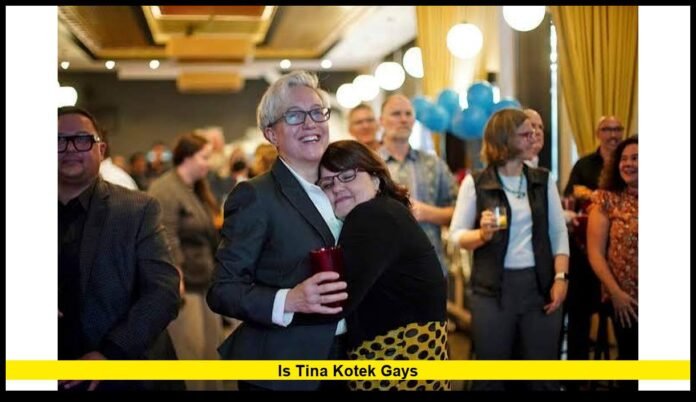

The question is tina kotek gay has attracted attention from readers interested in Oregon politics, LGBTQ+ representation, and the personal lives of prominent American leaders. Tina Kotek is openly lesbian and has spoken about her experiences publicly. As Oregon’s governor, she has built a political career spanning legislative leadership, social policy advocacy, and statewide elections.
Her story stands out not only because of her historic electoral achievements but also because she spent years working on issues affecting families, low-income residents, and marginalized communities. Understanding her background offers a clearer picture of the person behind Oregon’s highest elected office.
Tina Kotek’s Identity and Public Life
Tina Kotek has been open about her sexual orientation since early adulthood. She has described the process of coming out as an experience that helped shape her resilience and strengthened her understanding of the challenges faced by people who encounter discrimination.
Her identity has never been a secret that political observers needed to uncover. Instead, it has been a publicly acknowledged part of her life throughout her years in government.
For many LGBTQ+ Americans, representation in positions of political authority carries significance beyond an individual election. Seeing openly lesbian leaders serve as governors demonstrates that sexual orientation does not prevent someone from holding executive responsibility.
Kotek’s career illustrates how personal identity and professional experience can intersect while allowing a public official to focus on the practical concerns of constituents.
Who Is Tina Kotek’s Wife?
Kotek is married to Aimee Kotek Wilson, a social worker with a longstanding interest in community service. The couple met in 2005 and married in a private ceremony in 2017, according to publicly available biographical information.
Their shared commitment to helping vulnerable people has been an important part of their relationship. Both have experience working on issues involving poverty, public services, and access to assistance.
Aimee Kotek Wilson has worked with individuals facing difficult circumstances, including people experiencing mental health challenges and barriers to essential services. Her professional background reflects an interest in improving the systems that support people who need additional help.
As Oregon’s first lady, she has maintained a public role connected to community welfare while keeping much of her personal life private.
The couple’s marriage is also part of a broader change in American public life, where same-sex couples have gained greater legal recognition and visibility in government.
From Community Advocacy to State Politics
Before becoming governor, Kotek spent years working in nonprofit organizations focused on hunger prevention and children’s welfare.
She worked as a policy advocate for Oregon Food Bank and later served as policy director for Children First for Oregon. These positions exposed her to the challenges facing families struggling with food insecurity, poverty, and limited access to public resources.
Her work in advocacy helped motivate her decision to seek elected office.
In 2006, Kotek won election to the Oregon House of Representatives, representing a district in North Portland. During her legislative career, she became involved in debates about social services, economic security, housing, and civil rights.
Her colleagues elected her speaker of the Oregon House in 2013. She subsequently held the leadership position for nearly nine years, becoming the longest-serving speaker in the state’s history.
This experience established her as an influential figure in Oregon politics well before she entered the gubernatorial race.
A Historic Milestone for LGBTQ+ Representation
One of Kotek’s most significant accomplishments came in November 2022, when she won Oregon’s gubernatorial election.
She took office on January 9, 2023, becoming Oregon’s 39th governor and one of the first openly lesbian women elected governor in the United States. Massachusetts Governor Maura Healey won her election during the same cycle, making their victories a landmark moment in American political representation.
Kotek had already made history in 2013 as the first openly lesbian speaker of a state House in the country.
These milestones reflect a gradual shift in American politics, where candidates who once faced substantial barriers because of their sexual orientation have increasingly gained opportunities to compete for senior positions.
However, representation remains only one measure of political leadership. Governors must also address economic conditions, public safety, education, healthcare, infrastructure, and other issues that directly affect residents.
Kotek’s responsibilities therefore extend well beyond the historic nature of her election.
What Has Tina Kotek Focused on as Governor?
Housing affordability and homelessness have been prominent issues during Kotek’s administration. Oregon, particularly the Portland metropolitan area, has faced significant challenges involving housing costs, shelter capacity, and access to stable accommodation.
Kotek has pursued policies intended to increase housing availability and improve the state’s response to homelessness. Her administration has also addressed behavioral health services, addiction treatment, education, and economic development.
These priorities have generated public discussion about the effectiveness of state programs and the pace of progress.
In September 2026, Kotek outlined policy proposals for a potential second term, placing housing, the economy, schools, and other statewide concerns among her priorities.
She is seeking reelection in the November 3, 2026, gubernatorial election. The contest gives Oregon voters an opportunity to evaluate her record and decide whether they want her to continue leading the state.
Her campaign and governing record are central to understanding her political position as the election approaches.
Why Her Personal Story Matters to LGBTQ+ Americans
Kotek’s public career has significance for people interested in equality and representation because she has served in influential roles without concealing her identity.
Her experience also highlights the importance of distinguishing a public figure’s personal characteristics from the policies and decisions that determine their performance in office.
For LGBTQ+ communities, openly lesbian governors can provide visibility and demonstrate that leadership opportunities are not limited by sexual orientation. Their presence can also encourage conversations about discrimination, equal treatment, and participation in public life.
At the same time, voters may disagree about a governor’s policies regardless of personal identity. Evaluating political leadership requires considering legislation, administrative decisions, campaign commitments, and measurable outcomes.
Kotek’s career brings these questions together: her historic representation is an important part of her public story, while her work on Oregon’s challenges remains central to her responsibilities.
Frequently Asked Questions About Tina Kotek
Is Tina Kotek openly lesbian?
Yes. Tina Kotek is openly lesbian and has publicly discussed her identity and experiences coming out as a young adult.
Who is Tina Kotek married to?
She is married to Aimee Kotek Wilson, a social worker who has dedicated much of her professional life to community service and helping vulnerable people.
When did Tina Kotek become governor of Oregon?
Kotek was sworn in as Oregon’s 39th governor on January 9, 2023, after winning the 2022 gubernatorial election.
What made Tina Kotek’s political career historic?
In 2013, she became the first openly lesbian speaker of a state House in the United States. Her election as governor in 2022 marked another major milestone for LGBTQ+ representation.
Is Tina Kotek running for reelection in 2026?
Yes. Kotek is seeking a second term, with Oregon’s gubernatorial election scheduled for November 3, 2026.
Conclusion
Tina Kotek’s journey from nonprofit advocacy to Oregon’s governorship combines a long record of public service with historic achievements for LGBTQ+ representation. She is openly lesbian, married to Aimee Kotek Wilson, and has discussed her identity as part of her public life.
As the 2026 election approaches, her leadership on housing, education, economic development, and other statewide concerns will remain important subjects for Oregon voters. Her career demonstrates the growing visibility of LGBTQ+ leaders in American government while underscoring the broad responsibilities that come with serving as governor.