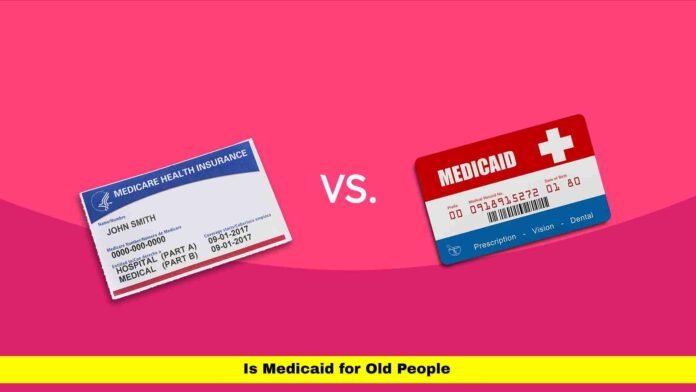

Is Medicaid for old people is one of the most frequently asked healthcare questions today, especially as aging American households prepare for costs associated with long-term medical care, prescriptions, assisted living, and nursing services. As of the latest U.S. healthcare structure, this nationwide insurance program remains the primary public support system for low-income seniors and individuals needing extensive medical or custodial care. It supports older adults by offering hospital treatment, home-based assistance, nursing home coverage, and medical benefits when financial qualifications are met.
This in-depth guide takes a factual and updated look at how Medicaid works for the elderly, what benefits seniors receive, how eligibility is determined, how it differs from Medicare, what expenses it covers, and what families should know when preparing for future care. Everything here is factual under today’s active policies, designed for clarity, accuracy, and U.S. readers seeking real answers, not assumptions.
Medicaid at a Glance: What It Really Means for Seniors
Medicaid is a joint federal-state insurance program created to assist low-income Americans with healthcare expenses. Seniors often form a large enrollment group because older age commonly brings more medical needs and higher treatment costs, making support necessary for many.
While not restricted solely to older adults—also covering children, pregnant women, and disabled individuals—it remains one of the only public programs that pays for long-term nursing care. Medicare does not cover long-term custodial living, so many seniors rely on Medicaid once regular income or savings no longer meet ongoing medical bills.
The program is administered state by state. Federal law sets core coverage standards, but each state determines income limits, asset rules, and optional additional benefits. That means a senior in one state may access services differently than a senior in another. Yet nationwide, the goal remains consistent: ensuring that eligible older adults receive essential healthcare without financial collapse.
Why Seniors Rely on Medicaid in Aging Years
Growing older frequently includes medical management, routine doctor visits, and sometimes long-term caregiving. Medical expenses can rise sharply with age, and families often face financial stress when private health coverage or personal savings decline.
Older Americans turn to Medicaid because:
- Healthcare needs become continuous rather than occasional.
- Long-term care costs can exceed tens of thousands annually.
- Prescription medication needs increase with chronic conditions.
- Assisted living or nursing support becomes necessary for many.
- Medicare alone does not cover full long-term custodial care.
For seniors with limited income or those who eventually spend savings on healthcare, this program becomes the primary safety net that prevents medical debt and ensures care is maintained throughout later life.
Eligibility for Seniors: How Older Adults Qualify
Eligibility revolves around age, income, medical need, and countable assets. Although rules differ by state, senior applicants must typically:
- Be at least age 65
- Meet income and resource limits
- Be U.S. citizens or legal residents
- Require medical or long-term care assistance
- Provide documentation supporting financial information
Some older adults qualify automatically if they receive SSI benefits. Others qualify through long-term care pathways when they need nursing services or in-home support. Many states allow a “spend-down” option, meaning seniors may use income on medical expenses until they reach the qualifying level.
Property such as a primary home is usually exempt while the senior remains living in it, but other assets like secondary property, certain savings, or investments may affect eligibility depending on state rules.
Medicaid vs Medicare: What Seniors Need to Know Clearly
Understanding the difference saves families confusion.
Medicare is federal health insurance for people over 65 and does not depend on income. It handles:
- Hospital visits
- Doctor services
- Outpatient care
- Short-term rehabilitation
- Limited skilled nursing services
Medicaid, on the other hand, covers healthcare for low-income individuals and pays long-term care costs when eligibility is met. A senior can have both programs, known as dual coverage.
When dual coverage applies:
- Medicaid can pay Medicare premiums
- Deductibles and co-pays may be reduced or eliminated
- Coverage gaps can be filled for prescriptions and long-term care
- Nursing care becomes financially accessible
Dual coverage provides strong support for elderly patients with heavy healthcare demands.
Benefits Seniors Can Receive
Eligible seniors receive broad coverage depending on state programs. Common healthcare benefits include:
- Doctor visits and hospital care
- Preventive screenings and lab work
- Prescription drug assistance
- Physical therapy and rehabilitation
- Long-term care and nursing home residency
- Home and community-based services
- Transportation for medical appointments
- Some dental and vision services depending on state
Coverage ensures seniors access medical assistance throughout the aging process without catastrophic financial burden.
Nursing Home Coverage for Seniors
One of the most essential features for elderly Americans is facility care coverage. When medically necessary and financially qualified, Medicaid pays for:
- Nursing home room and board
- Skilled nursing and rehabilitative care
- Daily living assistance (bathing, dressing, eating)
- Round-the-clock supervision
- Memory care services for cognitive decline
- Medical equipment used within the facility
Nursing home care is extremely expensive privately, often surpassing what families can sustain long-term. For this reason, many become Medicaid eligible after retirement savings diminish.
Homes receiving Medicaid funding must meet quality standards and periodic inspection requirements to ensure resident safety.
Home-Based Care for Seniors Who Wish to Age at Home
Many older adults prefer to remain in familiar surroundings for as long as possible. Home-based care services make this realistic for qualifying seniors.
This assistance may include:
- Home health aide visits
- Meal assistance
- Medication management
- Personal care tasks
- Housekeeping support
- Adaptive home modifications
- Transportation for appointments
These programs help avoid premature nursing home placement and improve emotional well-being for seniors who value independence. Home-based programs grow yearly as states aim to reduce institutional dependency.
Prescription Coverage for Senior Medication Needs
Medication becomes a major part of senior life, especially for chronic conditions like diabetes, heart disease, or arthritis. Medicaid supports medication access and may reduce out-of-pocket costs when paired with Medicare Part D.
This benefit matters because seniors often manage multiple long-term prescriptions. Continued access prevents complications, hospital trips, and health decline.
Financial Requirements for Qualification
Financial thresholds examine income and countable resources such as savings and investments. States publish updated figures annually.
Assets like:
- Retirement accounts
- Bank balances
- Additional property
- Stocks or bonds
may influence eligibility. A primary residence often remains protected while lived in. Vehicles under certain valuation are typically exempt. Each state’s rules state exactly what counts.
Legal and financial planning helps families prepare early to avoid sudden surprise or ineligibility while arranging care for aging relatives.
Enrollment for Senior Applicants
Older adults apply through state Medicaid offices or online enrollment systems. Evidence commonly required includes:
- Identification and age verification
- Citizenship documentation
- Financial statements
- Medical necessity records
- Income proof such as Social Security statements
- Asset disclosure
Approval timelines differ by state. Some seniors qualify quickly when urgent long-term care placement is needed. Others undergo assessment to determine care level.
Once approved, coverage may apply immediately or retroactively within allowable limits.
Long-Term Care and Aging in America
The senior population grows steadily nationwide. Increased life expectancy means more individuals will need ongoing medical and custodial support. Long-term care, including nursing home stays and in-home assistance, places heavy financial demands on families. Medicaid stands as the most reliable program to relieve this burden.
Families planning for future aging often explore eligibility early. Some meet with financial planners to ensure assets are structured responsibly before care is needed.
The Role of Medicaid in the U.S. Senior Support System
As healthcare advances and life spans extend, the importance of financial coverage grows. This program ensures seniors do not go without necessary care due to cost barriers. It protects dignity, health, and quality of life.
Without this coverage, long-term nursing care would be unaffordable for millions. It remains the foundational support for aging Americans who require continuous medical assistance, rehabilitation, or daily living support.
How Families Can Prepare for Future Senior Care
Planning before care becomes urgent reduces stress. Helpful steps include:
- Reviewing income and assets
- Understanding state-specific eligibility
- Keeping financial documents organized
- Discussing long-term living preferences
- Learning about home-based services vs facility care
Preparedness ensures smooth transition into coverage rather than crisis management later.
Summary
Medicaid plays a defining role in U.S. senior healthcare. It is not limited to older adults, but it supports millions of them through coverage that includes nursing care, medications, home-based assistance, medical visits, and long-term facility services. With eligibility based on financial and medical criteria, it creates a reliable path to healthcare access during aging years.
Share your thoughts below—What part of senior healthcare should we break down next for you?