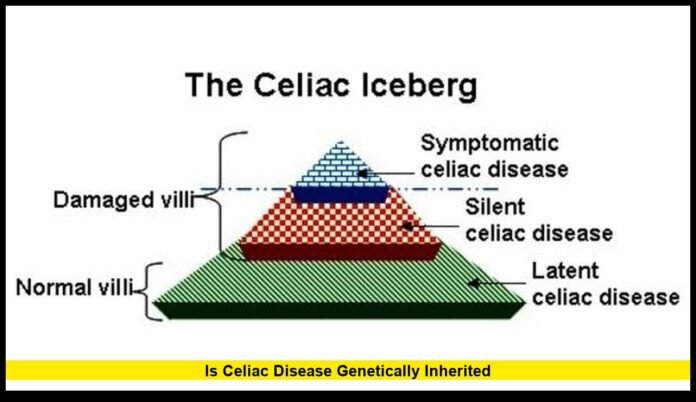

Is celiac disease genetically inherited? Yes, celiac disease has a strong genetic component, meaning that certain inherited genes can increase a person’s likelihood of developing this autoimmune condition. However, having a parent or sibling with celiac disease does not mean that every family member will develop it. Genetic susceptibility, the body’s immune response to gluten, and other biological factors all influence whether the disease develops.
For families across the United States, understanding the connection between genetics and celiac disease can help identify who may benefit from medical evaluation. Some people experience persistent digestive problems, while others develop anemia, fatigue, or nutritional deficiencies without obvious gastrointestinal symptoms. In some cases, people have no noticeable symptoms despite having the condition.
If celiac disease affects someone in your immediate family, learning about inherited risk can help you make informed healthcare decisions. Discuss your family history with a qualified healthcare professional, especially if you have unexplained symptoms or concerns about your risk.
Understanding the Genetic Connection Behind Celiac Disease
Celiac disease is an autoimmune disorder in which consuming gluten triggers an immune response that damages the lining of the small intestine. Gluten is a protein found in wheat, barley, and rye. When a person with celiac disease eats foods containing gluten, the immune system reacts in a way that can injure the intestinal lining and interfere with nutrient absorption.
Genetics plays a significant role in determining who is susceptible to this response. Certain inherited variations in genes involved in immune function make it possible for the body to recognize gluten-related proteins in a way that can contribute to the development of the disease.
These genetic variations can pass from biological parents to their children. Nevertheless, celiac disease does not follow a straightforward inheritance pattern in which receiving one particular gene automatically results in illness.
A parent may carry susceptibility genes without ever developing celiac disease. Their child may inherit those genes but remain healthy, or the child may develop the condition later in life.
This distinction is essential: inheriting a genetic predisposition does not mean inheriting an inevitable diagnosis. Genes influence risk, but they cannot predict with certainty which individuals will develop celiac disease.
Which Genes Are Associated With Celiac Disease?
The strongest known genetic risk factors for celiac disease involve two genes called HLA-DQA1 and HLA-DQB1. These genes provide instructions for making proteins that help the immune system recognize particular substances.
Certain combinations of these genes produce proteins known as HLA-DQ2 and HLA-DQ8. These proteins are strongly associated with celiac disease because they can present gluten-related fragments to immune cells, contributing to the abnormal immune response seen in affected individuals.
HLA-DQ2 is the most common susceptibility type associated with celiac disease. Most people diagnosed with the condition carry an HLA-DQ2-related variant.
HLA-DQ8 is another important genetic susceptibility type. Some people who do not carry the usual HLA-DQ2 combination have HLA-DQ8 instead.
Other genetic variations may also influence susceptibility. This helps explain why two people with similar inherited genetic characteristics can have different health outcomes.
A person who carries HLA-DQ2 or HLA-DQ8 does not necessarily have celiac disease. These genetic variants occur in a substantial portion of the general population, while only a minority of carriers develop the condition.
Genetic testing can therefore provide useful information about susceptibility, but it cannot independently establish whether someone has active celiac disease.
Does Having Celiac Disease Genes Guarantee That You Will Develop It?
No. Carrying genes associated with celiac disease does not guarantee that the condition will develop.
Approximately 30% of the general population carries HLA-DQ2 or HLA-DQ8, yet only a small proportion of these individuals develop celiac disease. Genetic susceptibility is much more common than the disease itself.
This difference demonstrates that inherited genes are only part of the explanation. Gluten exposure is necessary for the characteristic immune reaction in people with celiac disease, while other biological and environmental influences may also affect disease development.
Consider two siblings who inherit genetic variants associated with celiac disease. One develops persistent digestive symptoms and receives a diagnosis after medical testing. The other experiences no noticeable problems and never develops the condition.
Both siblings may carry relevant susceptibility genes. Their different outcomes show why genetic inheritance cannot determine an individual’s future health with certainty.
A positive genetic test should not automatically lead someone to eliminate gluten from their diet. People who carry susceptibility genes but do not have celiac disease do not necessarily need to follow a gluten-free diet.
If a family history or concerning symptoms raise questions, medical evaluation can help determine whether further testing is appropriate.
How Much Does Family History Increase Celiac Disease Risk?
Family history is an important consideration because close relatives may share genetic variants associated with celiac disease.
First-degree relatives include biological parents, siblings, and children. These family members have a higher likelihood of developing celiac disease than people without an affected first-degree relative.
Studies commonly estimate that approximately 5% to 10% of first-degree relatives may have celiac disease, although estimates vary according to the population studied, screening methods, and family circumstances.
The risk is not identical for every relative. Genetic similarities, the number of affected family members, and individual medical circumstances can all influence how healthcare professionals assess risk.
Children of people with celiac disease may inherit relevant susceptibility genes. Siblings may share genetic combinations that increase their likelihood of developing the condition. Parents of an affected child may also carry susceptibility variants without having received a diagnosis themselves.
Identical twins are particularly informative in genetic research because they share nearly all their inherited genetic material. Their experience demonstrates the strong role of genetics, but identical twins do not always both develop celiac disease.
This means that inherited factors are important without being the only determinants of disease development.
Second-degree relatives, including grandparents, aunts, uncles, nieces, and nephews, may also have an elevated risk depending on their family history. Their individual likelihood is generally harder to estimate than that of first-degree relatives.
When multiple members of a family have celiac disease, sharing the complete family history with a healthcare professional can help guide decisions about testing.
Can a Child Inherit Celiac Disease From One Parent?
Yes. A child can inherit genetic susceptibility to celiac disease from either biological parent.
The parent passing on the relevant genetic variants does not have to have celiac disease. Some people carry susceptibility genes throughout their lives without developing the condition or experiencing recognizable symptoms.
For example, a father may carry an HLA-DQ2-associated genetic combination but have no digestive complaints. If he passes a relevant variant to his child, the child may inherit a predisposition to celiac disease.
The same principle applies when the mother carries susceptibility genes.
However, a parent’s diagnosis does not mean that their child will inevitably develop the condition. The genetic combinations inherited from both parents contribute to susceptibility, but they do not establish whether the disease will eventually appear.
Parents should also understand that celiac disease is not contagious. It cannot spread between family members through ordinary physical contact, sharing a home, or eating together.
The connection between relatives is genetic rather than infectious.
Parents with celiac disease can discuss their children’s risk with a pediatrician, particularly when a child experiences persistent digestive symptoms, poor growth, anemia, or other unexplained health concerns.
Can Celiac Disease Skip a Generation?
Celiac disease can appear to skip a generation because susceptibility genes may pass through a family without causing recognizable symptoms or a diagnosis in every generation.
Imagine a grandmother who has celiac disease. Her adult child inherits relevant genetic variants but never develops the condition. Later, that adult child has a child who inherits a combination of susceptibility genes and eventually develops celiac disease.
The condition appears in the grandmother and grandchild but not in the intervening generation.
This does not mean that the genetic predisposition disappeared and returned. The relevant genes may have remained within the family throughout the generations.
Another explanation is that an intervening family member has undiagnosed celiac disease. Some individuals experience mild symptoms, attribute them to other causes, or have no obvious digestive problems.
Consequently, the absence of a diagnosis in a parent or grandparent does not eliminate the possibility of inherited susceptibility.
However, families should not assume that every digestive complaint across generations has the same cause. Appropriate medical testing is necessary to distinguish celiac disease from other conditions.
What Symptoms Should People With a Family History Recognize?
Celiac disease can affect children and adults in different ways. Digestive symptoms are common, but the condition may also affect energy levels, nutrient absorption, bones, and other aspects of health.
Possible symptoms include:
- Persistent diarrhea or constipation.
- Abdominal pain, bloating, and excessive gas.
- Unexplained weight loss.
- Ongoing fatigue or weakness.
- Iron-deficiency anemia.
- Vitamin and mineral deficiencies.
- Poor growth or delayed development in children.
- Reduced bone density or osteoporosis.
- Recurrent mouth ulcers.
- An itchy, blistering skin condition known as dermatitis herpetiformis.
These symptoms are not exclusive to celiac disease. Other digestive disorders, nutritional problems, and medical conditions can cause similar concerns.
Some people with celiac disease experience few digestive symptoms or none at all. In these cases, the condition may be discovered during an evaluation for anemia, nutrient deficiencies, or other unexplained findings.
This is one reason family history matters even when a person feels healthy.
Someone whose parent or sibling has celiac disease should not assume that the absence of abdominal pain or diarrhea eliminates the possibility of developing the condition.
If symptoms persist or remain unexplained, a healthcare professional can determine whether celiac testing or another medical evaluation is appropriate.
How Is Celiac Disease Diagnosed?
Doctors typically use a combination of medical history, blood tests, and sometimes small-intestinal biopsies to diagnose celiac disease. Genetic testing may provide additional information about inherited susceptibility.
Blood tests for celiac disease
The tissue transglutaminase immunoglobulin A test, commonly called tTG-IgA, is generally a first-line blood test for people being evaluated for celiac disease.
Doctors may also measure total immunoglobulin A because IgA deficiency can affect the interpretation of certain antibody tests. Depending on the person’s age, symptoms, and initial results, additional blood tests may be appropriate.
These tests look for evidence of an immune response associated with celiac disease rather than simply identifying inherited risk.
Small-intestinal biopsy
An upper endoscopy with biopsies of the small intestine may be recommended to look for characteristic tissue damage.
Whether a biopsy is necessary depends on the person’s age, clinical circumstances, test results, and applicable diagnostic guidelines. A healthcare professional can explain the appropriate approach.
Genetic testing
HLA genetic testing looks for susceptibility variants associated with celiac disease. It may be helpful when previous results are inconclusive, when someone has already eliminated gluten, or when clinicians need additional information about inherited risk.
A positive genetic result does not confirm active celiac disease because many people carrying the relevant variants never develop the condition.
Conversely, the absence of the principal HLA-DQ2 and HLA-DQ8 susceptibility types makes celiac disease very unlikely, although rare exceptions can occur.
People should generally continue eating gluten until diagnostic testing is completed, unless their healthcare professional advises otherwise. A gluten-free diet can reduce antibody levels and allow intestinal tissue to heal, potentially making an accurate diagnosis more difficult.
Anyone who has already stopped eating gluten should discuss the available testing options with a clinician before making further dietary changes.
Should Healthy Family Members Get Tested?
People who feel healthy may still benefit from discussing celiac disease screening when a close relative has the condition.
First-degree relatives face a higher risk than the general population, and some affected individuals do not experience obvious symptoms. A healthcare professional can evaluate family history and determine whether testing is appropriate.
For example, an adult whose sibling has celiac disease may have no digestive complaints but develop unexplained iron deficiency. The combination of family history and laboratory findings could prompt a doctor to investigate celiac disease.
Children with an affected parent also deserve individualized consideration. A pediatrician can discuss testing based on the child’s age, growth, symptoms, and family history.
A negative test does not necessarily resolve every future concern. A genetically susceptible person may develop the condition later, and routine testing can be less reliable when someone is not consuming gluten.
The need for follow-up depends on individual circumstances. Additional testing may be appropriate if symptoms develop or new medical findings emerge.
Rather than assuming that every relative requires identical tests, families should discuss their specific risks and screening options with a healthcare professional.
Can Celiac Disease Be Prevented if You Inherit the Genes?
There is currently no established method that guarantees prevention of celiac disease in people who carry susceptibility genes.
A strict gluten-free diet is the standard treatment for diagnosed celiac disease because it removes the dietary trigger responsible for the autoimmune reaction. However, avoiding gluten is not an established preventive strategy for otherwise healthy people who simply carry susceptibility variants.
People without celiac disease do not automatically need to eliminate wheat, barley, and rye from their diets because of their genetic background.
For families with a history of celiac disease, a practical approach involves understanding inherited risk, recognizing possible symptoms, and seeking appropriate medical evaluation.
This helps prevent unnecessary dietary restrictions while supporting timely diagnosis when the condition is present.
Researchers continue to investigate the relationship between genetics, immune responses, and environmental influences. However, genetic testing cannot currently predict with certainty which susceptible individual will develop celiac disease or when it will occur.
Is Celiac Disease Genetic or Caused by Lifestyle?
Celiac disease is an autoimmune condition with a strong genetic component. It is not accurately described as a disease caused exclusively by inherited genes or ordinary lifestyle choices.
Inherited genes influence susceptibility, and gluten triggers the characteristic immune reaction in people with celiac disease. Other biological and environmental influences may also affect disease development.
This differs from an inherited disorder in which a single genetic change directly determines whether a person will develop a condition.
Celiac disease also differs from a general food intolerance. It can damage the small intestine and interfere with nutrient absorption, potentially leading to complications when left untreated.
A person who experiences bloating after eating bread does not necessarily have celiac disease. Similarly, a person who carries HLA-DQ2 or HLA-DQ8 does not automatically need to follow a gluten-free diet.
Medical evaluation can help distinguish celiac disease from wheat allergy, non-celiac gluten sensitivity, and other digestive conditions.
Understanding these differences helps families avoid unnecessary concern and make informed healthcare decisions.
Frequently Asked Questions About Genetic Inheritance and Celiac Disease
Is celiac disease inherited from both parents?
Celiac disease susceptibility involves genes inherited from biological parents. A child may inherit relevant variants from either parent or receive combinations from both. However, inheriting these genes does not guarantee that the child will develop the condition.
What percentage of celiac disease is genetic?
Genetic factors play a substantial role in susceptibility. Estimates of heritability describe differences across populations rather than the percentage of an individual’s disease directly caused by genes. They cannot be used to calculate an exact personal risk.
If my mother has celiac disease, will I develop it?
Not necessarily. You may inherit susceptibility genes, but many genetically predisposed people never develop celiac disease. Because children of affected parents have an elevated risk, discussing appropriate screening with a healthcare professional is advisable.
Can you carry celiac disease genes without having the condition?
Yes. Many people carry HLA-DQ2 or HLA-DQ8 without developing celiac disease. Genetic testing identifies susceptibility rather than proving that the autoimmune condition is active.
Can celiac disease develop later in life?
Yes. Celiac disease can be diagnosed during childhood or adulthood. Someone who previously had no noticeable symptoms may develop the condition later, so new or persistent symptoms deserve medical attention.
Should children of someone with celiac disease be tested?
Children with an affected parent have an elevated risk. Parents should discuss screening and follow-up with a pediatrician, particularly if the child develops digestive symptoms, poor growth, anemia, or other concerning signs.
Can celiac disease skip a generation?
It can appear to skip a generation because susceptibility genes may pass through family members who never develop recognizable symptoms. A later generation may inherit a combination of variants associated with increased susceptibility.
Should I stop eating gluten if I inherit celiac disease genes?
Not solely because of a positive genetic test. Discuss diagnostic testing with a healthcare professional before making major dietary changes. Eating gluten is generally necessary for accurate routine antibody testing and biopsy.
Final Thoughts on Celiac Disease and Inherited Risk
Celiac disease has a strong genetic connection, but inherited susceptibility does not determine a person’s future with certainty. Parents can pass risk-associated genes to their children, and close relatives of people with celiac disease have a greater likelihood of developing the condition. Nevertheless, many people carrying these genes never develop the disease.
Understanding family history, recognizing possible symptoms, and discussing appropriate medical testing are more useful than assuming that genetic susceptibility guarantees illness. Anyone with an affected parent, sibling, or child should consider discussing individual risk with a healthcare professional.
Does celiac disease run in your family? Share your questions or experiences in the comments, and stay informed about new developments in celiac disease research and diagnosis.