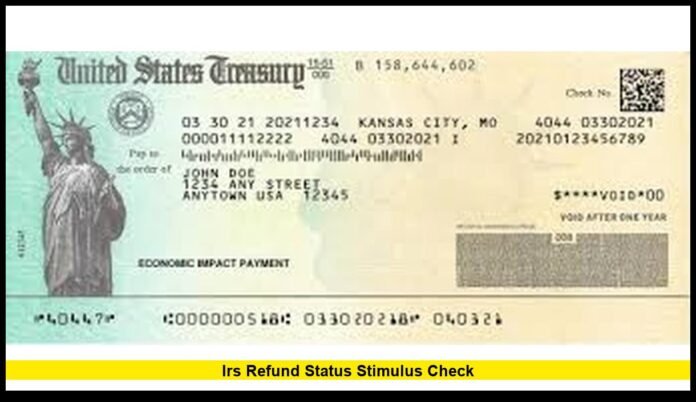

The latest irs refund status stimulus check update confirms that, as of February 7, 2026, the Internal Revenue Service is actively processing 2025 tax year returns and issuing refunds, but no new federal stimulus checks have been authorized. Millions of Americans are now tracking their refund progress as peak filing season gains momentum.
Tax season always brings questions. This year, confusion centers on whether any new stimulus payments are coming. The clear answer is no. Congress has not approved another round of nationwide economic impact payments. The only federal payments being issued right now are regular tax refunds tied to filed returns.
No New Federal Stimulus Payments in 2026
The federal stimulus checks issued during the pandemic were temporary relief measures. Those payments ended in 2021. Since then, no additional nationwide stimulus legislation has passed.
Despite social media posts suggesting upcoming deposits, no federal agency has announced a new stimulus program for 2026. Taxpayers should remain cautious when seeing claims about automatic payments or surprise checks.
If a new federal stimulus were approved, the IRS would formally announce it and provide clear eligibility details. That has not happened.
2026 Tax Filing Season Is Underway
The IRS opened the 2026 filing season in late January. Taxpayers are submitting 2025 federal income tax returns through electronic filing systems and tax professionals across the country.
Refund processing has begun and continues daily. Most people who file electronically and choose direct deposit typically receive refunds within about 21 days after their return is accepted.
Here is a breakdown of general timelines:
| Filing Method | Estimated Refund Time |
|---|---|
| E-file + Direct Deposit | 10–21 days |
| E-file + Paper Check | 4–8 weeks |
| Mailed Paper Return | 6–12 weeks or longer |
Processing times vary depending on accuracy and review requirements.
How to Check Your Refund Status
Taxpayers can check their refund status using the IRS “Where’s My Refund?” tool or the IRS2Go mobile app. These systems update once daily and provide real-time tracking.
The refund tracker displays three stages:
- Return Received
- Refund Approved
- Refund Sent
The tool usually updates within 24 hours of e-filing. Paper returns take longer to appear in the system, often up to four weeks.
To check your refund, you need:
- Social Security number or ITIN
- Filing status
- Exact refund amount from your tax return
Accuracy matters. Even a small difference in the refund amount entered can prevent access to status updates.
Direct Deposit Remains the Fastest Option
Electronic refunds continue to move much faster than paper checks. The IRS strongly encourages taxpayers to select direct deposit during filing.
Benefits of direct deposit include:
- Faster access to funds
- Reduced risk of lost or stolen checks
- Fewer mailing delays
- More secure processing
Paper checks are still available for some taxpayers, but mailing times can add weeks to refund delivery.
Common Reasons Refunds Get Delayed
While many refunds move quickly, some returns require additional review. Several factors can slow processing:
- Errors in income reporting
- Mismatched Social Security numbers
- Missing forms or schedules
- Incorrect bank account information
- Claims involving refundable tax credits
Returns claiming the Earned Income Tax Credit or Additional Child Tax Credit often undergo extra review steps. Federal law requires verification before refunds tied to these credits are issued.
Identity verification requests can also delay processing. If the IRS contacts a taxpayer for verification, responding promptly helps reduce wait times.
IRS Workforce and Processing Capacity
The IRS continues to modernize systems and streamline electronic processing. However, high filing volume during peak weeks can temporarily slow refund approvals.
Filing early and electronically reduces the risk of delay. Waiting until closer to the April deadline increases congestion within processing systems.
Taxpayers who want the fastest refund should:
- File electronically
- Choose direct deposit
- Double-check all entries before submitting
- Keep copies of submitted returns
Small mistakes can trigger manual reviews that extend processing time.
Stimulus Scams Continue in 2026
Even without new federal stimulus payments, scammers continue targeting taxpayers. Fraud attempts often spike during tax season.
Common scam tactics include:
- Text messages claiming eligibility for a new stimulus check
- Emails requesting personal information for payment verification
- Calls demanding immediate action to “release” funds
- Fake deposit notifications
The IRS does not initiate contact through text or social media requesting sensitive information. Official communication typically arrives by mail.
Taxpayers should never share banking details or Social Security numbers in response to unsolicited messages.
Understanding the Difference Between Refunds and Stimulus Payments
Many online searches combine refund tracking with stimulus questions. The term irs refund status stimulus check reflects confusion between these two different types of payments.
Here is the distinction:
- A tax refund returns overpaid income taxes from your filed return.
- A stimulus payment is a government-issued relief check unrelated to overpaid taxes.
In 2026, only regular tax refunds are being distributed.
If you are expecting money from the IRS this year, it is most likely your tax refund—not a new stimulus payment.
What to Do If Your Refund Is Taking Longer Than 21 Days
If more than 21 days have passed since your e-filed return was accepted, consider these steps:
- Check the online refund tracker once daily.
- Confirm that your bank account details were entered correctly.
- Review your email for identity verification notices.
- Avoid filing a duplicate return.
Calling the IRS too early will not speed up processing. The agency recommends waiting at least 21 days for electronic filings before seeking further assistance.
Paper filers should expect longer delays and allow several weeks before checking status.
2026 Refund Outlook
As of early February 2026, refund processing remains active and ongoing. Millions of returns have already been received. Direct deposit payments continue to move through the system daily.
There are no new federal stimulus checks scheduled or announced. Any official change would require congressional action and public notification from the IRS.
Taxpayers should focus on accurate filing and secure refund tracking. Staying informed helps avoid misinformation and unnecessary stress.
Key Takeaways for U.S. Taxpayers
- No new federal stimulus checks have been approved for 2026.
- The IRS is processing 2025 tax returns.
- Most e-filed refunds with direct deposit arrive within 21 days.
- Paper returns take significantly longer.
- Refund status can be tracked online or through the IRS mobile app.
- Scam attempts remain active during tax season.
Clear, accurate information is essential during filing season. Understanding how refunds work prevents confusion and protects your finances.
Are you still waiting on your refund, or has your deposit already arrived? Share your experience and keep checking for the latest IRS updates as tax season continues.