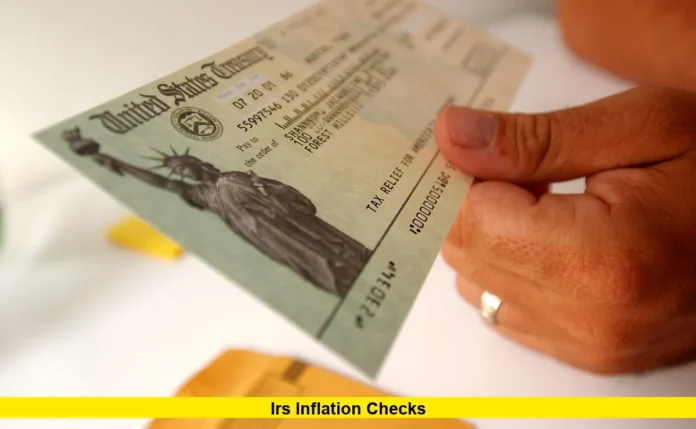

As of September 26, 2025, conversations around IRS inflation checks continue to dominate headlines and social media discussions. Rising prices for essentials like groceries, housing, and energy have left many Americans hoping for another round of direct government relief. While the federal government has not approved any new inflation rebate checks through the IRS, New York State has announced it will begin mailing its own tax rebate checks on Friday. Eligible residents will receive payments ranging from $150 to $400, depending on income and filing status.
This announcement has sparked widespread interest, but it has also created confusion. Many people mistakenly believe the IRS is behind these checks, when in fact they are strictly a state-level initiative. To understand the difference, let’s break down what’s happening at the federal and state level, why “IRS inflation checks” remain a trending term, and how relief is actually being delivered in 2025.
Why Americans Are Searching for IRS Inflation Checks
Over the past two years, inflation has remained one of the top financial concerns for U.S. households. Even though inflation rates have cooled compared to the highs of 2022, the cost of living remains elevated, making daily life more expensive. For many, relief checks like those issued during the COVID-19 pandemic feel like a solution, and the phrase “IRS inflation checks” has become shorthand for direct financial help.
There are several reasons the phrase has gained so much traction:
- Memories of stimulus payments: During the pandemic, the IRS issued three rounds of stimulus checks, creating an expectation that the agency might step in again during tough times.
- Social media rumors: Viral posts often claim the IRS is preparing $1,300 to $1,400 inflation checks, but these claims are misleading or outright false.
- State programs misunderstood as federal aid: When states like New York launch rebate programs, people sometimes confuse them with nationwide initiatives.
In reality, the IRS has no authority to create or send new checks on its own. Any federal relief program must be approved by Congress and signed into law. As of today, no such program exists.
What New York State’s Rebate Program Means
While the IRS isn’t issuing inflation checks, New York State has stepped forward with its own relief plan. Starting Friday, checks will begin to arrive in mailboxes for eligible residents.
Key details of the New York rebate program:
- Payment range: $150 to $400 per household.
- Eligibility: Based on the 2023 state income tax return. Single filers may receive smaller checks, while joint filers may qualify for larger amounts.
- Distribution method: Payments will be mailed automatically to the address on file—no application or action is required from residents.
- Timing: Checks will start going out on Friday and continue over the coming weeks until all eligible households receive them.
This move is designed to help New Yorkers manage high costs for essentials while reinforcing the state’s commitment to providing targeted relief.
How State Rebates Differ from IRS Inflation Checks
It’s essential for taxpayers to understand the difference between federal IRS payments and state rebate programs:
- Federal IRS inflation checks: These would only exist if Congress passed a law authorizing them. No such law exists right now.
- State rebate checks: These are funded by state budgets, legislated by state governments, and distributed by state tax agencies. They may be called “inflation relief” or “rebates,” but they are not connected to the IRS.
- Eligibility rules vary: Each state decides who qualifies and how much is paid.
By separating these two concepts, Americans can better understand what to expect and avoid confusion fueled by rumors.
Why Federal IRS Inflation Checks Are Not Happening
The federal government has not issued new rebate checks for inflation relief because of a combination of economic and political factors:
- Legislative gridlock: Any new spending plan must pass both the House and Senate, where agreement on large-scale relief has been difficult.
- Economic concerns: Some policymakers argue that new direct payments could actually worsen inflation by boosting consumer demand.
- Shifts in focus: The federal government has emphasized tax code adjustments and targeted credits instead of broad rebate checks.
For now, the IRS remains focused on its core responsibilities—processing tax refunds, applying annual inflation adjustments to tax brackets, and ensuring taxpayers receive any unclaimed credits.
What the IRS Is Doing Instead
Even though there are no federal inflation checks, the IRS has made several important changes in 2025 that affect taxpayers:
- Inflation-adjusted tax brackets: For tax year 2025, income tax brackets were raised, allowing families to keep more of their earnings before hitting higher tax rates.
- Standard deduction increases: The standard deduction was adjusted upward, giving taxpayers more relief from taxable income.
- Refund improvements: Electronic filing and direct deposit refunds are being processed in less than 21 days on average, while mailed refunds may take six weeks or longer.
- Phase-out of paper checks: Beginning this fall, the Treasury is phasing out most paper tax refund checks in favor of direct deposit.
- Recovery Rebate Credit catch-ups: The IRS has also been issuing payments for taxpayers who never received their full pandemic-era relief. These are not inflation checks, but rather overdue credits owed from past years.
These steps may not provide the immediate relief of a check in the mail, but they help taxpayers save money and access refunds faster.
How to Spot Misinformation About IRS Inflation Checks
Because rumors spread quickly, it’s important to know how to separate fact from fiction. Here are some tips to avoid being misled:
- Always check official sources: The IRS will publish any new payment programs on its official website.
- Be skeptical of viral posts: Graphics or videos promising instant checks are often fake or outdated.
- Watch for scams: The IRS will never text, email, or call to ask for personal or banking information in exchange for an inflation check.
- Understand the process: If a real federal program were authorized, it would be widely reported by major news outlets and supported by congressional legislation.
By following these steps, you can protect yourself and your family from false promises and fraud.
How New Yorkers Should Prepare for Rebate Checks
If you live in New York, here’s what you should do to ensure a smooth process:
- Verify your mailing address: Make sure the state tax department has your current information.
- Check eligibility: Review your 2023 tax return to see if you fall within the income brackets.
- Monitor your mail: Checks will be mailed directly, so keep an eye on your mailbox starting Friday.
- Be patient: Distribution will roll out in phases, so not everyone will receive their checks on the first day.
For many households, even a few hundred dollars can help offset higher bills or groceries.
Broader Implications of State Relief Programs
New York’s move may inspire other states to follow suit. In recent years, states like California, Colorado, and Maine have also issued rebate or relief checks to residents during times of economic strain. These programs allow states to respond more quickly than the federal government, but they are limited to taxpayers within that state.
This creates a patchwork of relief across the country—while New Yorkers will receive up to $400 this fall, residents in other states may receive nothing unless their own legislatures act.
The Bottom Line
At this moment, IRS inflation checks are not happening at the federal level, but New York State is stepping in with its own rebate program. Eligible residents can expect payments of $150 to $400 beginning Friday. While the relief is welcome, it highlights the difference between state and federal programs—and the importance of relying on verified information rather than rumors.
What do you think about state rebate checks as a form of inflation relief? Share your thoughts in the comments and stay connected for the latest updates.