
As the clock ticks toward the next Medicare open-enrollment period, the spotlight falls on the irmaa brackets 2026, a key factor that could significantly increase costs for higher-income beneficiaries. These brackets determine the surcharge amount you might pay on top of standard premiums for Medicare Part B and Part D. With the brackets set to be based on 2024 income and released later in 2025, now is the time to understand the implications.
How the 2026 IRMAA Brackets Are Determined
The irmaa brackets 2026 will be based on your 2024 income, although they’re not officially released until the fourth quarter of 2025. Because of this two-year lag in data, what you earn in 2024 will directly impact what you pay in 2026. The Centers for Medicare & Medicaid Services (CMS) index the brackets for inflation using the Consumer Price Index for Urban Consumers (CPI-U). The first four income tiers rise with inflation, while the top tier (for the highest incomes) remains frozen until at least 2028.
This method means that even modest changes in income—even a one-time spike such as a Roth conversion or a gain from the sale of assets—can push someone into a higher bracket and trigger thousands of extra dollars in premiums. Therefore, understanding how the brackets might move is essential for financial planning.
Projected Thresholds and Surcharges for 2026
While final numbers haven’t been published yet, projections give a solid preview of the irmaa brackets for 2026. Below is a simplified version of expected thresholds and surcharge frameworks:
| Filing Status | Projected Threshold for No IRMAA | Projected 1.4× Standard Bracket | Higher Tiers Continue… |
|---|---|---|---|
| Single | ≤ ≈ $109,000 | $109,001 to ~$137,000 | $137,001 to ~$171,000 and higher tiers |
| Married Filing Jointly | ≤ ≈ $218,000 | $218,001 to ~$274,000 | $274,001 to ~$410,000 and higher tiers |
For example, if your 2024 MAGI falls under the first threshold, you pay the standard Medicare Part B and Part D premiums without additional surcharges. Once you exceed that threshold, you begin paying an increased tier, and each tier jump means a larger monthly surcharge.
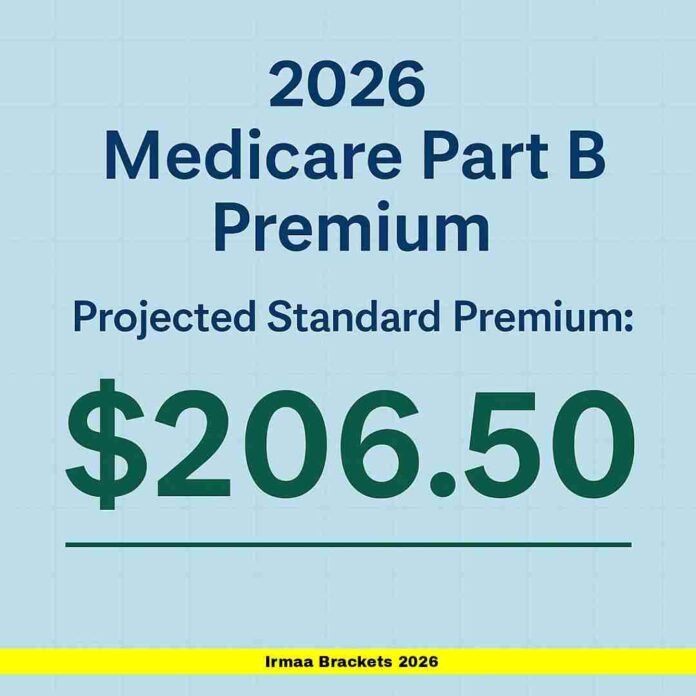
Surcharge projections: For 2026, the standard Part B premium is estimated at about $206.50/month (up from $185 in 2025). On top of that, IRMAA surcharges could range from roughly $82.60 for the first tier to as high as $495.60/month for the highest tier. Part D surcharges are also rising—with projections showing additions from dozens to over ninety dollars per month depending on the tier.
Why This Matters Right Now
If your income in 2024 is near any of the projected thresholds, you face a risk of falling into a higher IRMAA bracket in 2026—even if your regular income stays the same. Because the final brackets use your 2024 tax return, early planning matters. For retirees who take large distributions, sell property, convert traditional retirement funds to Roth IRAs, or otherwise increase modified adjusted gross income, the two-year look-back can trigger surprises.
Since the final 2026 tables will likely drop in November 2025, you will not be able to change your 2024 income then—so the actions you take now matter. Reviewing your income streams, timing deductions or Roth conversions, and discussing potential tax planning strategies with your advisor could help you avoid significant increases in Medicare premiums.
Appealing an IRMAA Determination
If your income drops significantly due to major life events, you do have options to appeal an IRMAA determination. Common qualifying events include:
- Retirement or cessation of work
- Marriage, divorce, or annulment
- Death of a spouse
- Loss of pension or other substantial income
To appeal, you file Form SSA-44 along with supporting documentation to the Social Security Administration. Keep in mind that appeal success typically requires both a life-changing event and evidence that your current income is substantially lower than the year used for IRMAA. One-time events such as a large capital gain often do not qualify for appeal relief.
Planning Tips for Beneficiaries
Here are practical steps for individuals and couples approaching retirement or managing moderate to high income:
- Review your sources of income for 2024: retirement plan distributions, IRA conversions, capital gains, tax-free interest, etc.
- If your MAGI is near a projected threshold, consider timing transactions (e.g., Roth conversions or asset sales) to avoid crossing a higher bracket.
- Use tax-deferral or tax-strategic moves (charitable contributions, Qualified Charitable Distributions) that may reduce MAGI.
- Monitor final 2026 IRMAA tables when released, and adjust your planning accordingly.
- Consider consulting a tax advisor or Medicare specialist to understand your specific exposure.
What to Expect as the Open Enrollment Period Approaches
When the 2026 tables are released in late 2025, beneficiaries will receive official notices of any IRMAA adjustments typically in November or December. This timing is critical because the Medicare open-enrollment window (October 15 to December 7) will overlap with those notifications. It means you may need to select your plan knowing whether a surcharge will apply.
Also expect some increase in the standard premiums themselves. Most projections suggest the base Part B premium will rise around 11.6% to about $206.50/month. Combined with surcharges for higher-income brackets, the total cost for some beneficiaries could be hundreds of dollars higher per month. This makes awareness and proactive planning more urgent than ever.
Key Points Summary
- IRMAA for 2026 will use 2024 income to determine surcharges for Medicare Part B and Part D.
- Projected income thresholds: around $109,000 for single filers and $218,000 for married filing jointly, before additional surcharges apply.
- Surcharges could add up to nearly $500/month for the highest tier in 2026.
- Actions in 2024—timing of income events, Roth conversions, sales of assets—can influence your bracket and consequent costs.
- You can appeal IRMAA surcharges if you experience a qualifying life-changing event and your income drops significantly.
A well-timed review of your income for 2024 may make a meaningful difference in what you pay for Medicare in 2026. Stay alert, plan smartly, and act early to avoid unpleasant surprise costs down the road.