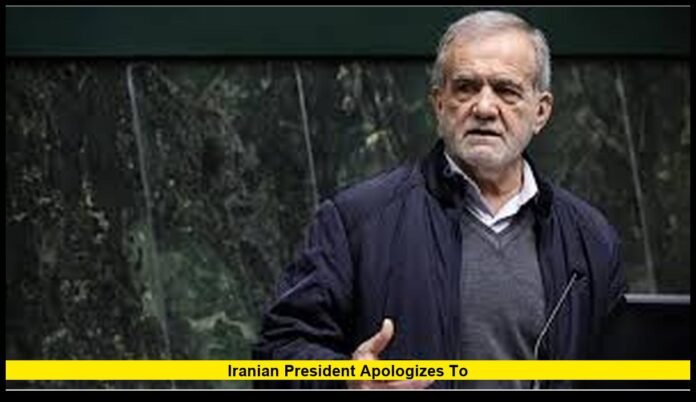

Iranian president apologizes to citizens amid rising frustration over economic hardship, inflation, and governance challenges that continue to affect daily life across the country. President Masoud Pezeshkian publicly acknowledged the struggles facing ordinary Iranians and expressed regret that many families are experiencing financial pressure and uncertainty. His remarks have drawn widespread attention both domestically and internationally, as they highlight the mounting expectations placed on Iran’s leadership during a period of economic and political strain.
The apology came as many Iranian households face rising prices for essential goods, declining purchasing power, and limited job opportunities. While citizens have long voiced concerns about the country’s economic direction, the president’s comments signal a rare moment of direct acknowledgment from the nation’s highest elected office. The statement reflects the growing urgency to address economic challenges while also restoring public confidence in government leadership.
Economic Pressures Affecting Daily Life
Iran’s economic conditions remain a central concern for millions of people across the country. Inflation has steadily increased the cost of everyday necessities, including food, housing, and transportation. For many families, maintaining a stable standard of living has become increasingly difficult.
Several economic trends have shaped the current situation:
- Rapid increases in the cost of basic consumer goods
- Currency fluctuations affecting imports and business operations
- Limited job opportunities for young graduates entering the workforce
- Reduced household purchasing power due to persistent inflation
Small business owners have also reported difficulties maintaining operations. Higher supply costs and lower consumer spending have created a challenging environment for local markets.
These conditions have amplified public pressure on the government to deliver practical economic solutions.
Masoud Pezeshkian’s Rise to the Presidency
Masoud Pezeshkian became Iran’s president after building a political career centered on public service and reform-oriented policies. Before entering national leadership, he gained recognition as a physician and academic. His professional background shaped his reputation as a pragmatic figure within Iran’s political system.
Over the years, he held several key positions:
| Position | Role |
|---|---|
| Minister of Health | Oversaw national healthcare policies |
| Member of Parliament | Represented constituents in legislative debates |
| Medical Professor | Contributed to academic and healthcare institutions |
During his presidential campaign, Pezeshkian emphasized economic stabilization, transparency in governance, and improved communication between government officials and the public.
His recent remarks acknowledging public frustration align with those campaign promises.
Public Expectations for Reform
Many Iranians entered the new presidential administration with cautious optimism. Voters expected practical solutions that could ease economic strain and create more opportunities for employment.
Key areas where citizens hope to see progress include:
- Lower inflation and stabilized prices
- Expanded job opportunities for young professionals
- Improved transparency in government decisions
- Policies that support local businesses and industries
Young adults have been particularly vocal about the need for economic opportunity. University graduates often face difficulty finding stable employment in fields related to their education.
Families also report growing concerns about the affordability of housing and healthcare.
As expectations increase, public patience with slow reforms may decline.
Why the Apology Matters Politically
In many political systems, public apologies from national leaders are rare and often carry symbolic importance. When leaders acknowledge mistakes or express regret over national challenges, it can signal an effort to rebuild trust with the public.
When the iranian president apologizes, the statement serves several political purposes:
- Demonstrating empathy toward citizens’ struggles
- Recognizing public frustration openly
- Creating space for policy adjustments
- Showing accountability at the national level
For supporters of the president, the apology represents a willingness to listen to the concerns of ordinary people. Critics, however, argue that words alone cannot solve economic problems.
Political observers note that symbolic gestures must eventually be followed by concrete policy changes.
Economic Challenges Facing the Government
Iran’s government faces multiple economic obstacles that complicate efforts to stabilize the country’s financial situation.
Inflation
Inflation remains one of the most visible challenges. Rising prices affect nearly every sector of the economy, from groceries to housing costs.
Currency Volatility
Fluctuations in the national currency have created uncertainty for businesses and investors. Companies that rely on imported materials face higher operating expenses.
Youth Unemployment
A large number of young people enter the labor market each year. Creating enough jobs to absorb this workforce remains a major policy challenge.
Limited Foreign Investment
Economic isolation and geopolitical tensions have reduced foreign investment opportunities that could stimulate growth.
Addressing these issues requires a combination of domestic reforms and broader economic strategy.
Reactions from Citizens
Public reaction to the president’s apology reflects the diverse perspectives within Iranian society.
Some citizens welcomed the acknowledgment of their difficulties. They believe that recognizing economic hardship is an important first step toward meaningful change.
Others remain cautious. Many individuals want to see evidence that government policies will improve living conditions before offering full support.
Common reactions include:
Positive Responses
- Appreciation for the president’s willingness to acknowledge challenges
- Hope that new policies will follow the statement
- Belief that the administration may pursue reforms
Skeptical Responses
- Concerns that apologies may not lead to real change
- Frustration with long-standing economic difficulties
- Calls for faster and more decisive policy action
The range of responses highlights the complex relationship between government leadership and public expectations.
International Attention and Regional Implications
Political developments inside Iran often attract global interest. The country plays a significant role in regional security, energy markets, and international diplomacy.
Economic instability within Iran can influence:
- Oil production and energy markets
- Trade patterns in the Middle East
- Diplomatic negotiations with global powers
- Regional political alliances
As a result, statements from Iran’s leadership are closely monitored by policymakers and analysts around the world.
Although the apology primarily addressed domestic concerns, it also signals that Iran’s government is aware of internal pressure to improve economic conditions.
The Importance of Public Communication
Modern political leadership increasingly relies on direct communication with citizens. Leaders often use speeches, interviews, and public appearances to explain policy decisions and address concerns.
Clear communication can help governments maintain credibility during difficult periods.
When leaders acknowledge problems openly, it can:
- Reduce public frustration
- Encourage constructive dialogue
- Build trust between citizens and officials
However, communication alone cannot solve structural economic challenges. Policy implementation remains the key factor that determines long-term public satisfaction.
Potential Policy Directions
Analysts believe the government may focus on several strategies to address economic difficulties.
Possible policy priorities include:
- Stabilizing the national currency
- Supporting domestic manufacturing industries
- Expanding employment programs for young workers
- Strengthening oversight of public spending
Improving economic conditions will likely require coordination across multiple sectors of government.
At the same time, policymakers must balance domestic priorities with international economic realities.
Looking Ahead
The coming months will be crucial for Iran’s leadership. Citizens expect tangible improvements that can ease financial pressure and restore confidence in national institutions.
While public statements can acknowledge challenges, meaningful progress depends on policy execution.
If economic conditions improve, the president’s apology may be remembered as a turning point that helped rebuild trust between the government and the public. If difficulties continue, public frustration may intensify.
Political leadership in Iran now faces the task of translating recognition of problems into effective solutions that benefit everyday citizens.
What are your thoughts on the moment when the Iranian president apologizes to the public? Share your perspective and follow the latest global developments as the situation continues to evolve.