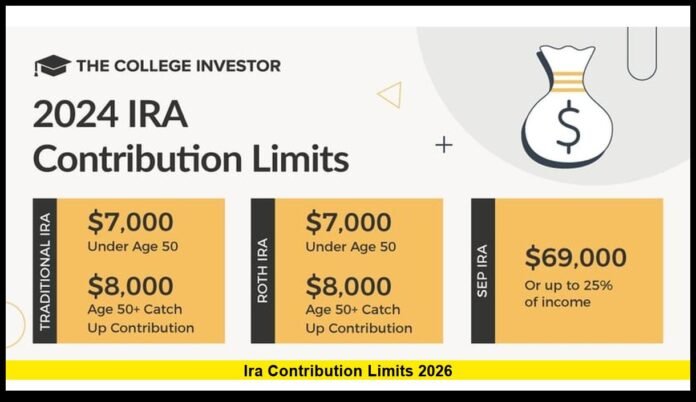

The IRS has confirmed the updated ira contribution limits 2026, and the changes will reshape how millions of Americans plan their retirement savings for the year ahead. These updated limits increase the amount individuals can contribute, raise the thresholds that determine eligibility, and introduce long-awaited inflation adjustments that reflect today’s economic environment. With more Americans focusing on financial security and long-term planning, the 2026 changes carry significant importance for savers at every stage of life—from early-career workers just beginning their retirement journey to adults nearing retirement who want to strengthen their financial foundation.
The new limits unlock additional tax-advantaged saving power and offer households greater flexibility in meeting their long-term goals. Understanding these updated rules, and how they compare to previous years, ensures that individuals maximize the advantages available to them. This detailed guide breaks down each part of the new limits, how they work, and what investors should consider when shaping their retirement plans for 2026.
Understanding the New Contribution Limits for 2026
The most notable update for 2026 is the higher annual contribution allowance. The IRS adjusts IRA limits each year to keep pace with inflation and rising income levels, and this year’s increases give savers more control and more opportunities to build long-term financial strength.
2026 IRA Contribution Breakdown
- Individuals under age 50 can now contribute up to $7,500.
- Individuals age 50 or older can contribute up to $8,600, which includes the updated catch-up contribution.
These limits apply to both traditional IRA and Roth IRA accounts combined. Someone can contribute to both account types but cannot exceed the total annual limit across all IRA accounts. The increased catch-up contribution is especially valuable for older savers who may be trying to close the gap between their current savings and their retirement goals.
Income Eligibility Rules for 2026
While traditional IRAs allow contributions regardless of income, Roth IRAs limit eligibility based on modified adjusted gross income (MAGI). For 2026, these income thresholds have increased, allowing more people to qualify for full or partial contributions.
Single Filers: 2026 Eligibility Overview
- Full contributions are allowed up to the updated lower income boundary.
- Partial contributions are permitted within the new phase-out range.
- Income above the upper limit restricts direct Roth IRA contributions.
Married Couples Filing Jointly: 2026 Eligibility Overview
- Full contributions apply if combined income falls below the updated threshold.
- A phase-out window determines how much can be contributed.
- Incomes above the top range eliminate eligibility for direct contributions.
The increase in income limits helps shield savers from disqualification due to rising salaries, bonuses, or cost-of-living adjustments, making Roth IRAs accessible to a wider group of earners.
Comparison Between 2025 and 2026 Limits
Here is a clear comparison that highlights the changes:
| Tax Year | Under 50 Limit | 50+ Limit | Catch-Up Increase | Eligibility Range Trend |
|---|---|---|---|---|
| 2025 | $7,000 | $8,000 | $1,000 | Narrower |
| 2026 | $7,500 | $8,600 | $1,100 | Wider |
The jump in both contribution and catch-up amounts gives savers more power to protect their long-term financial outlook.
Why the 2026 IRA Limits Matter for Financial Planning
The new rules arrive during a period of economic change. Costs continue to rise, and many households are refocusing their financial priorities. Higher IRA limits support long-term security in several ways:
Protection Against Inflation
Inflation reduces purchasing power over time. Increasing contribution limits helps savers keep pace and preserve the future value of their retirement funds.
More Tax-Advantaged Space for Savings
Traditional IRAs offer tax-deductible contributions for certain income levels. Roth IRAs provide tax-free withdrawals in retirement. Increased limits amplify these benefits.
Stronger Retirement Outlook for Older Workers
The expanded catch-up limit recognizes the needs of older savers who may be nearing retirement and need more flexible saving options.
Opportunities for Strategic Saving
Savers with other retirement accounts—like 401(k)s—can combine employer plans and IRA contributions to build a more diversified retirement portfolio.
Who Benefits the Most From the 2026 Adjustments?
The updated limits support a wide group of savers, but some groups stand to gain more than others.
Early-Career Workers
Young Americans benefit from an increased contribution ceiling because compounding works best over longer time periods. Even modest contributions early on can grow significantly.
Mid-Career Earners
Workers in their 30s and 40s often see rising incomes. The new limits and wider eligibility ranges allow this group to save more without worrying about crossing income limits too early.
Individuals near Retirement Age
For those in their 50s and early 60s, the larger catch-up contribution is a powerful tool. It allows them to take advantage of their typically peak earning years and boost their savings dramatically.
Dual-Income Households
Couples can benefit greatly from contributing the full amount to each spouse’s IRA. If both partners qualify, they can add over $15,000 combined—or more than $17,000 if both are over 50.
Self-Employed Individuals
People without employer-sponsored plans often rely heavily on IRA contributions. The increased limits provide more flexibility and room for tax-advantaged growth.
How Partial Contributions Work Under 2026 Rules
Partial contributions apply when income falls within a specific phase-out range. Individuals close to the upper limit may still qualify for a reduced contribution. Partial contributions are calculated based on income placement within the range.
Key points to understand:
- Partial contributions preserve Roth IRA access when full contributions aren’t allowed.
- They still offer the same tax advantages on earnings.
- High earners benefit from having at least limited access to Roth accounts.
Understanding these partial limits ensures no saver misses out due to incorrect assumptions about eligibility.
Strategies to Maximize IRA Contributions in 2026
Effective retirement planning requires more than simply knowing the limits. Savers can follow these strategies to make the most of the updated rules:
1. Contribute Early
Starting early gives investments more time to grow. Monthly contributions allow for consistent progress without the burden of year-end lump sums.
2. Track Income Throughout the Year
Income changes—such as bonuses, raises, and side earnings—can affect eligibility. Savers should monitor their projected income to avoid overfunding and possible penalties.
3. Coordinate With Employer Retirement Plans
IRAs operate independently from workplace plans like 401(k)s. Savers can contribute to both, creating a diversified foundation for retirement.
4. Use Catch-Up Contributions Wisely
Individuals age 50+ should view the increased catch-up allowance as an opportunity to strengthen their financial position during their top earning years.
5. Automate Deposits
Automatic contributions help savers stay on track and avoid missing opportunities, especially during busy months.
6. Revisit Retirement Goals Annually
Retirement strategies should reflect changes in personal income, market conditions, and global economic trends. The increased limits encourage savers to make annual adjustments.
Common Pitfalls to Avoid in 2026
Mistakes in retirement planning can be costly. Here are common issues to watch:
Contributing More Than Allowed
Even if contributing to multiple IRA accounts, the total contribution cannot exceed the 2026 limit.
Ignoring Income Thresholds
Savers who cross income limits may unknowingly exceed allowable contributions, leading to penalties.
Waiting Too Long to Contribute
Delaying contributions reduces time in the market and therefore reduces compounding growth potential.
Relying Only on One Retirement Account
IRAs are part of a comprehensive retirement system. Balancing them with employer plans can improve returns and reduce tax risks.
The Role of IRAs in 2026 and Beyond
IRAs have become a central part of retirement planning because they offer flexibility, tax advantages, and long-term growth potential. The 2026 adjustments reinforce their importance in a changing financial landscape.
Tax-Free or Tax-Deferred Growth
Depending on the account type, IRA savings offer substantial tax advantages that amplify investment returns over time.
Broad Investment Flexibility
IRAs allow access to a wide array of investments, making them ideal for customized retirement strategies.
Control Over Withdrawal Timing
Roth IRAs offer freedom from required minimum distributions, allowing retirees to decide how and when to withdraw funds.
These advantages highlight why the updated ira contribution limits 2026 are significant for anyone planning their financial future.
FAQ
Q1: Can I contribute to both a Roth IRA and a traditional IRA in 2026?
Yes, but your combined total contributions across both accounts cannot exceed the 2026 limit.
Q2: What if my income disqualifies me from making a full Roth IRA contribution?
You may still qualify for a partial contribution depending on your income level.
Q3: Do I need earned income to contribute to an IRA?
Yes. Contributions must come from earned income unless you qualify under specific spousal rules.
Closing Thoughts
The updated ira contribution limits 2026 give workers at every stage of life a stronger opportunity to save, grow wealth, and build a more secure retirement. As financial needs evolve and the cost of living continues to change, the ability to contribute more each year becomes increasingly valuable.
Share your thoughts on how the new limits may influence your retirement plans — we’d love to hear your perspective.
Disclaimer
This article offers general financial information for educational purposes. Individual financial decisions, including IRA contributions, should be made with guidance from a qualified financial professional.