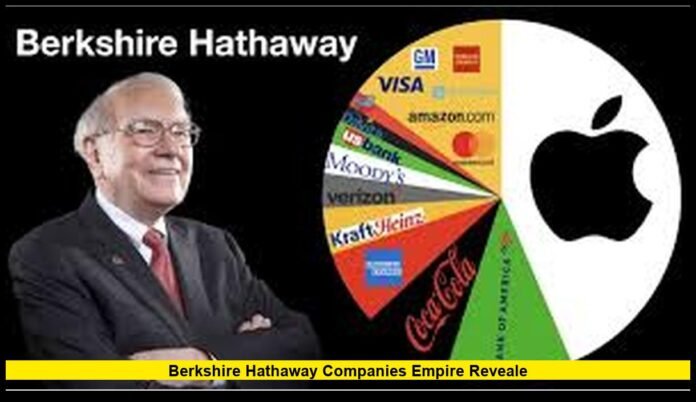

The influence of berkshire hathaway companies continues to grow as the conglomerate navigates a new era of leadership, evolving market dynamics, and shifting investor expectations. With a structure unlike any other major corporation, Berkshire Hathaway remains a dominant force across multiple industries, making it one of the most closely watched business empires in the United States.
From insurance and railroads to energy, manufacturing, and consumer goods, Berkshire Hathaway operates through a vast network of subsidiaries that collectively reflect the strength and diversity of the American economy. As leadership transitions and economic conditions change, understanding how these companies function—and where they are headed—has become more important than ever.
If you’re tracking the future of business in the U.S., this is one conglomerate you simply cannot ignore.
Take a closer look at how this massive network operates and why it continues to capture attention across markets.
A New Chapter Begins with Leadership Transition
For decades, Berkshire Hathaway’s identity was closely tied to Warren Buffett, whose disciplined investment philosophy and long-term approach built the company into a global powerhouse. That legacy entered a new phase when Greg Abel stepped into the CEO role.
This transition represents more than a change in title. It signals a gradual evolution in how the company approaches growth, capital allocation, and future opportunities.
Early reactions from investors have been mixed. Some are eager to see fresh strategies, especially in technology and innovation, while others are focused on whether the company will maintain its traditional conservative approach. Despite these questions, continuity remains a central theme, with the broader leadership team preserving the company’s long-standing principles.
Understanding the Unique Structure of Berkshire Hathaway
Unlike most corporations, Berkshire Hathaway operates as a decentralized conglomerate. Each subsidiary runs independently, with minimal interference from headquarters. This structure allows leaders within each company to make decisions quickly while maintaining accountability for performance.
The businesses under Berkshire’s umbrella span a wide range of industries, creating a level of diversification that few companies can match. This design reduces risk and provides stability, even during periods of economic uncertainty.
Insurance: The Financial Engine Driving Growth
Insurance operations form the backbone of Berkshire Hathaway’s financial strength. These businesses generate a steady flow of premium income, which can then be reinvested into other ventures.
Major insurance operations include:
- GEICO, one of the largest auto insurers in the U.S.
- Berkshire Hathaway Reinsurance Group
- Berkshire Hathaway Primary Group
The ability to invest insurance-generated funds has been a cornerstone of the company’s long-term success. This model allows Berkshire to expand into new sectors without relying heavily on external financing.
Railroads: A Critical Link in the Supply Chain
One of the most important assets in the Berkshire portfolio is BNSF Railway. This freight network plays a vital role in transporting goods across the country, supporting industries ranging from agriculture to manufacturing.
Railroads remain essential to the U.S. economy, offering efficiency and scale that other transportation methods cannot match. BNSF’s consistent performance provides Berkshire with reliable revenue while reinforcing its position in a key infrastructure sector.
Energy and Utilities: Powering Long-Term Stability
Berkshire Hathaway Energy represents another major pillar of the company’s operations. Through a network of utilities and energy assets, the company delivers electricity and natural gas to millions of customers.
Key components include:
- PacifiCorp
- NV Energy
- A growing portfolio of renewable energy projects
These businesses generate predictable cash flow and position Berkshire as a major player in the ongoing transformation of the energy sector. Investments in renewable sources also reflect broader industry trends and regulatory shifts.
Manufacturing and Industrial Strength
Berkshire’s manufacturing segment includes a diverse group of companies that produce everything from aerospace components to specialty chemicals.
Notable businesses include:
- Precision Castparts
- Lubrizol
- Marmon Holdings
These companies contribute steady earnings and support critical industries around the world. Their performance is often tied to broader economic activity, making them an important indicator of industrial health.
Consumer Brands with Lasting Appeal
Some of the most recognizable Berkshire Hathaway companies operate in the consumer space. These brands have built strong reputations over decades and continue to generate consistent revenue.
Examples include:
- Duracell
- Dairy Queen
- See’s Candies
- Fruit of the Loom
These businesses highlight a key aspect of Berkshire’s strategy: investing in companies with durable demand and strong customer loyalty.
Service-Based Businesses Expanding Reach
Beyond physical products, Berkshire also owns a range of service-oriented companies that operate across multiple industries.
These include:
- NetJets, a leader in private aviation
- HomeServices of America, a major real estate brokerage
- McLane Company, a logistics and distribution provider
This segment adds another layer of diversification, helping the company remain resilient across different economic cycles.
A Massive Investment Portfolio
In addition to its wholly owned subsidiaries, Berkshire Hathaway holds significant stakes in publicly traded companies. These investments contribute billions in value and play a crucial role in overall performance.
Major holdings include leading corporations in technology, finance, and consumer goods. These positions are carefully selected based on long-term potential rather than short-term trends.
The size and composition of this portfolio are closely watched by investors, as any changes can signal shifts in strategy.
Recent Developments Shaping the Outlook
Several key developments are influencing how Berkshire Hathaway is perceived today.
Stock Performance and Market Comparison
In recent months, Berkshire’s stock has experienced periods of slower growth compared to some segments of the broader market. This has sparked discussions about whether the company should increase its exposure to high-growth sectors such as technology.
However, others argue that Berkshire’s strength lies in its stability rather than rapid expansion.
Cash Reserves and Capital Allocation
One of the most notable aspects of Berkshire’s financial position is its large cash reserve. This provides flexibility to pursue acquisitions, invest in existing businesses, or return value to shareholders through share repurchases.
How this capital is deployed remains one of the most important questions surrounding the company’s future.
Operational Challenges and Competition
Like any large organization, Berkshire faces ongoing challenges across its subsidiaries. Competitive pressures, regulatory changes, and industry disruptions require constant adaptation.
These factors highlight the importance of strong management within each business unit, as well as effective oversight from the parent company.
Why the Berkshire Model Continues to Stand Out
The structure and philosophy of Berkshire Hathaway set it apart from other major corporations.
Key elements include:
- Long-term investment focus
- Decentralized management
- Emphasis on profitability over rapid expansion
This approach has allowed the company to build a stable and diversified portfolio that performs well across different economic conditions.
Culture and Leadership Philosophy
One of the defining features of Berkshire Hathaway companies is their culture. Managers are given autonomy to run their businesses while being held accountable for results.
This environment encourages innovation, efficiency, and long-term thinking. It also attracts business owners who want to preserve their company’s identity after joining the Berkshire family.
Leadership continues to emphasize trust, discipline, and consistency, ensuring that the company’s core values remain intact even as it evolves.
What Investors Are Paying Attention To
As the company moves forward, several factors are drawing close attention:
- Strategic decisions under new leadership
- Performance of insurance operations
- Potential acquisitions or investments
- Adjustments to the investment portfolio
Each of these areas will play a role in shaping Berkshire’s trajectory in the coming years.
How Berkshire Reflects the U.S. Economy
Few companies offer as broad a view of the American economy as Berkshire Hathaway. Its businesses span nearly every major sector, providing insight into trends affecting consumers, industries, and markets.
From freight transportation and energy production to retail and financial services, the company’s performance often mirrors broader economic conditions.
The Road Ahead for Berkshire Hathaway Companies
Looking ahead, the future of berkshire hathaway companies will likely be defined by a balance between continuity and gradual change.
The company is expected to:
- Maintain its disciplined investment strategy
- Explore new opportunities in emerging sectors
- Continue leveraging its diversified business model
While leadership has changed, the underlying structure remains strong, positioning Berkshire to adapt and grow over time.
Final Thoughts
Berkshire Hathaway continues to operate as one of the most unique and influential business organizations in the world. Its vast network of companies, combined with a disciplined approach to investing and management, creates a powerful foundation for long-term success.
As markets evolve and new challenges emerge, all eyes remain on how this iconic conglomerate will adapt while staying true to its core principles.
Do you think Berkshire will maintain its dominance in the years ahead, or will new competitors reshape the landscape? Share your perspective and keep following for more in-depth business coverage.