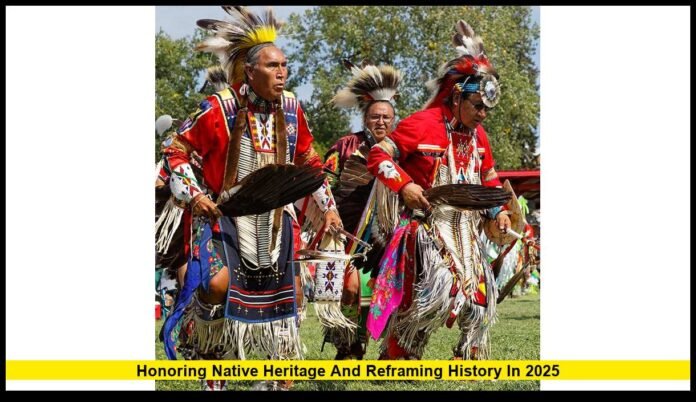

Each October, more and more Americans pause to reflect on Indigenous Peoples Day—a holiday rooted in truth-telling, cultural pride, and recognition. Observed on the second Monday of October, this year’s holiday falls on October 13, 2025, aligning with the federal observance of Columbus Day. But unlike Columbus Day, Indigenous Peoples Day shifts the spotlight to the original stewards of the land: Native nations and communities whose history stretches back thousands of years before European contact.
In 2025, the meaning of Indigenous Peoples Day continues to evolve. It is not only a celebration but also a call for education, reconciliation, and visibility in American society. Let’s explore its history, significance, modern debates, and how communities across the United States are observing it this year.
What Is Indigenous Peoples Day?
Indigenous Peoples Day is a holiday dedicated to celebrating the cultures, histories, and contributions of Indigenous communities across the Americas. It arose as a counterpoint to Columbus Day, which had traditionally commemorated Christopher Columbus’s arrival in 1492.
While Columbus Day focused on European exploration, Indigenous Peoples Day acknowledges the lives that were disrupted, displaced, and too often erased by colonization. Instead of celebrating conquest, the holiday centers resilience, culture, and Indigenous presence in contemporary society.
The Origins of Indigenous Peoples Day
The idea for Indigenous Peoples Day emerged in the late 20th century, with Native leaders and activists calling for a new narrative. Instead of glorifying Columbus, they argued, Americans should recognize the peoples who were here long before his arrival.
The first major shift came in 1992, when Berkeley, California, officially replaced Columbus Day with Indigenous Peoples Day to mark the 500th anniversary of Columbus’s landing. Since then, the movement has spread steadily, with more states, cities, and schools adopting the holiday each year.
By 2025, Indigenous Peoples Day has become a fixture on many local and state calendars, even if it has yet to be established as a federal holiday.
When Is Indigenous Peoples Day 2025?
Indigenous Peoples Day is celebrated annually on the second Monday in October. In 2025, the date is October 13.
The dual observance with Columbus Day remains a point of tension. While Columbus Day is still recognized as a federal holiday, dozens of states and municipalities now prioritize Indigenous Peoples Day, signaling a national shift in values and awareness.
Why Indigenous Peoples Day Matters
The holiday carries deep meaning for Indigenous communities and growing importance for broader American society.
- Correcting the narrative – For centuries, U.S. history books emphasized Columbus and European exploration while minimizing Native history. This holiday creates space for Indigenous voices.
- Celebrating resilience – Indigenous cultures, languages, and traditions survive today despite centuries of suppression. Indigenous Peoples Day highlights that survival.
- Encouraging education – Schools and communities use the day to teach about treaties, sovereignty, and Native contributions.
- Fostering respect – Public acknowledgment helps build bridges and recognition for Indigenous rights and perspectives.
How States and Cities Recognize the Day
Across the U.S., recognition of Indigenous Peoples Day looks different depending on location.
- States that fully recognize it – Several states have officially replaced Columbus Day with Indigenous Peoples Day.
- Dual observances – Some states and cities mark both Columbus Day and Indigenous Peoples Day.
- Local leadership – Even where states haven’t acted, city councils, tribal governments, and school districts often lead the way.
This patchwork approach reflects America’s diverse political landscape, but the trend toward greater recognition continues to grow.
How Indigenous Peoples Day Is Celebrated
Celebrations vary across regions but often include cultural and educational events led by Indigenous communities.
Common observances include:
- Powwows and cultural gatherings – Featuring traditional dances, drumming, and regalia.
- Storytelling and oral history – Elders sharing knowledge and traditions with younger generations.
- Educational workshops – Schools hosting programs to teach students about Native nations and their heritage.
- Art exhibitions – Showcasing contemporary Indigenous art alongside traditional crafts.
- Land acknowledgments – Recognizing the original caretakers of the land where events take place.
These activities ensure the day is not only commemorative but also participatory, inviting the wider public to learn and engage.
Indigenous Peoples Day and Education
One of the most significant impacts of the holiday has been in the classroom. School districts across the U.S. increasingly use the day as a chance to expand history lessons. Instead of focusing solely on Columbus, students learn about:
- Native governance systems and their influence on American democracy.
- Indigenous agricultural innovations, such as the “Three Sisters” method of planting corn, beans, and squash together.
- The contributions of Native leaders, artists, and thinkers throughout history.
- Contemporary issues facing Indigenous communities, from sovereignty to climate change.
For many educators, Indigenous Peoples Day is the entry point to a more accurate and inclusive curriculum.
The Political Debate
Despite growing recognition, Indigenous Peoples Day is not without controversy. Supporters argue that it brings long-overdue balance to U.S. history, while critics see it as erasing tradition.
In some states, debates continue over whether Columbus Day should remain, be replaced, or coexist alongside Indigenous Peoples Day. These arguments highlight larger cultural conversations about memory, representation, and the stories America chooses to celebrate.
Challenges to Broader Recognition
While momentum is strong, several challenges remain:
- Lack of federal designation – Columbus Day remains the official federal holiday, leaving Indigenous Peoples Day without nationwide recognition.
- Uneven visibility – Some states and communities embrace it fully, while others barely acknowledge it.
- Limited resources – Indigenous-led programming often depends on grassroots efforts, which may lack steady funding.
Despite these challenges, Indigenous Peoples Day continues to gain traction, fueled by grassroots organizing and growing public support.
Indigenous Peoples Day Beyond a Single Date
While the holiday itself is one day, its message extends year-round. It encourages Americans to engage with ongoing Indigenous issues, including:
- Sovereignty and land rights – Ensuring tribal nations maintain control over their lands and resources.
- Language revitalization – Preserving and teaching Indigenous languages at risk of extinction.
- Environmental stewardship – Highlighting Indigenous leadership in protecting natural resources and addressing climate change.
- Health and education equity – Tackling disparities that affect Native communities disproportionately.
Indigenous Peoples Day serves as an annual reminder to engage with these issues beyond October.
Why 2025 Feels Different
In 2025, Indigenous Peoples Day carries special weight as public interest in inclusive history continues to grow. Americans are more aware than ever of the need to honor multiple perspectives in the nation’s story. This holiday offers a platform not only for remembrance but also for imagining a future shaped by respect, recognition, and collaboration.
Final Thoughts
So, what does Indigenous Peoples Day mean today? It’s a holiday that celebrates Indigenous heritage, confronts difficult truths about history, and creates space for education and healing. While debates continue, its importance in American culture is undeniable.
As October 13, 2025, approaches, communities across the U.S. will gather to honor Native traditions, share stories, and reflect on the resilience of the first peoples of this land.
How do you plan to observe Indigenous Peoples Day this year, and what does the holiday represent to you? Share your perspective in the comments below.