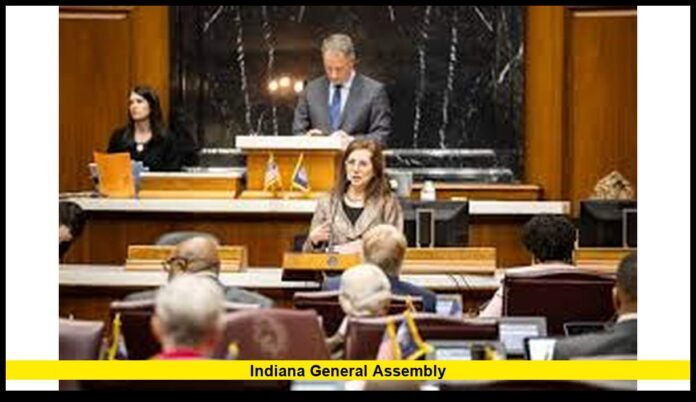

The indiana general assembly entered one of the most turbulent weeks of 2025 as lawmakers battled over whether to adopt a mid-decade congressional redistricting plan. What began as a swift push inside the House to advance new district boundaries escalated into a major political confrontation that drew national attention, heightened security, and exposed divisions within the state’s majority party. The proposal ultimately failed, leaving Indiana’s congressional map unchanged and prompting new discussions about transparency, public trust, and legislative priorities.
House Vote Sets Off a Week of Conflict
The conflict ignited on December 5, 2025, when the Indiana House approved a map intended to restructure congressional districts before the 2031 redistricting cycle. Supporters claimed population shifts in fast-growing suburban areas required immediate adjustments. They argued that waiting several more years would leave certain regions underrepresented and could impact long-term planning for transportation, economic development, and public services.
Opponents raised serious concerns. Many lawmakers said the timing was inappropriate and risked weakening residents’ trust in the electoral system. Others argued the map would dismantle existing Democratic-held districts and consolidate political power. Community groups voiced frustration about limited public involvement and the speed of the legislative process.
The House vote generated intense public reaction. Residents across Indiana contacted legislators, attended local meetings, and organized advocacy efforts to oppose or support the proposal. Teachers, business owners, city officials, and grassroots organizers weighed in on how the proposed lines might affect their communities. The rising engagement shaped the tone of the week as the bill moved to the Senate.
Senate Delivers a Significant Rejection
On December 11, 2025, the Senate voted 31–19 to reject the redistricting plan. The outcome surprised many observers who had expected a closer vote. Several Republican senators, who had been heavily courted to support the measure, ultimately opposed it after hearing from constituents who worried about the effects on counties, municipalities, and established neighborhoods.
Some senators emphasized that Indiana residents expect predictable and transparent redistricting processes. They said mid-decade changes risk disrupting community cohesion and weakening the stability voters rely on during election cycles. Others expressed concern that the plan divided long-standing regions without clear justification. Despite substantial lobbying efforts to push the bill through, senators concluded the timing and structure of the proposal did not align with the state’s long-term interests.
The vote effectively ended the possibility of a new congressional map for 2026. Campaigns now proceed under the existing lines, and lawmakers must regroup after a contentious internal battle. The moment underscored the influence constituents had on shaping legislative decisions throughout the week.
Threats and Security Challenges Escalate
While debates unfolded inside the Statehouse, a different challenge emerged outside it. Several lawmakers reported receiving threatening messages, swatting attempts, and suspicious communications that required law enforcement involvement. One incident involving a possible device threat at a legislator’s residence further escalated safety concerns.
Security officials increased patrols throughout the Capitol complex, modified entrance procedures, and added personnel to monitor committee hearings. Legislators, staff members, and building employees faced additional stress as they balanced everyday responsibilities with heightened awareness of potential risks.
Leaders from both political parties condemned the threats and urged the public to engage through civil, lawful means. They emphasized that democratic decision-making cannot function under intimidation and that protecting public servants is essential to maintaining a safe environment for debate.
Schools Confront Financial Pressure Amid Statewide Budget Strain
Away from the redistricting debate, school districts across Indiana continued to navigate serious budget constraints caused by earlier property tax adjustments. District administrators reported reduced revenues that affected staffing, transportation, and academic programming. Many noted the challenge of preserving student supports while managing payroll, classroom materials, and facility costs.
Some districts projected shortfalls that could lead to staff reductions or postponed improvement projects. Others said limited funding would affect extracurricular programs and specialized instruction. Parents and teachers raised concerns that budget instability could harm long-term educational outcomes.
Legislative leaders acknowledged the problem but indicated that major funding revisions are unlikely before 2027. The current cycle, they said, does not allow for extensive restructuring, leaving school districts to manage financial strain in the interim.
National Political Pressure Draws Mixed Responses in Indiana
As the debate intensified, national political figures publicly urged Indiana lawmakers to pass the new map. Their comments highlighted the national stakes of congressional redistricting and the potential for Indiana to shape federal election dynamics. Supporters of the map welcomed the attention, arguing that it validated the importance of updating districts.
However, several lawmakers pushed back. They stressed that Indiana’s decisions should reflect local needs, not national agendas. Many senators reported that the outside pressure fueled additional public frustration, leading residents to demand that their representatives remain independent from external influence.
The Senate’s rejection demonstrated the impact of those concerns. The outcome also reflected a broader trend across the country, as state legislatures face increasing scrutiny over whether external political forces shape local decisions.
Effects on Indiana’s Political Climate
The defeat of the map leaves Indiana’s political environment stable heading into the next congressional election cycle. Candidates can continue their campaigns without sudden boundary changes. Voters can rely on familiar districts as they prepare for 2026 races.
Inside the Legislature, however, the effects may extend into future sessions. Lawmakers who opposed the proposal may gain increased standing among constituents who valued their independence. Those who supported the measure may face questions about the reasoning behind their decisions. Political analysts expect the issue to resurface when discussions about political representation arise in the coming years.
The week also highlighted a shift in public engagement. Residents participated actively in the debate, demonstrating strong interest in how representation affects their daily lives. Their involvement may shape future legislative priorities, especially around election administration and public consultation.
Governance Challenges Ahead
With redistricting resolved for now, lawmakers will return to a packed agenda that includes education funding, infrastructure planning, tax policy, and public safety concerns. Legislative committees are preparing to address issues raised by school districts, local governments, and state agencies. Leaders say they remain committed to ensuring transparency and responding to concerns raised by residents.
The debate also prompted conversations about improving public input methods. Some civic groups suggested offering digital access to mapping tools, holding more accessible hearings, and allowing residents to submit community boundary proposals. Others argued for long-term reforms to reduce political pressure during redistricting years.
Lawmakers have signaled interest in exploring these ideas once the legislative calendar allows. Many believe the redistricting episode served as a reminder of how vital credible processes are to the stability of democratic institutions.
Community Leaders Call for Civility and Stability
Throughout the week, community and civic leaders emphasized the importance of respectful engagement. They urged residents to voice concerns without resorting to intimidation and encouraged lawmakers to continue public conversations even on difficult issues. Many highlighted the need for safety, civility, and trust as Indiana prepares for future policy challenges.
Local leaders also reminded voters that representation extends beyond congressional boundaries. They encouraged residents to stay engaged in school board meetings, city planning sessions, and legislative hearings. Continued involvement, they said, ensures that state and local governments reflect the needs of everyday Hoosiers.
Final Perspective
The events surrounding the proposed mid-decade map illustrate the complexity of modern state politics. The House supported the plan, the Senate rejected it, and the public played a decisive role in shaping the outcome. The debate revealed tensions between local autonomy and national influence, underscored the importance of community stability, and highlighted the expectations voters place on their representatives.
As the state moves forward, the indiana general assembly will face ongoing decisions about education, tax policy, and public safety. The lessons from this week will likely guide lawmakers as they work to strengthen public trust and ensure that Indiana’s political systems remain responsive, transparent, and grounded in the needs of residents.