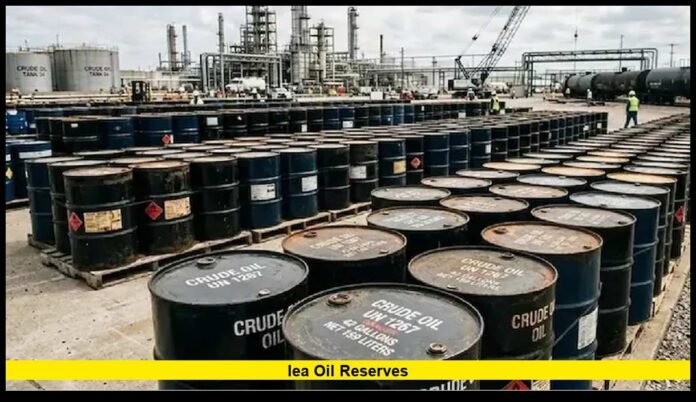

IEA oil reserves moved into the spotlight on March 11, 2026, as the International Energy Agency coordinated a historic emergency release to stabilize global oil markets. Member countries agreed to release roughly 400 million barrels of oil from strategic reserves, responding to severe supply disruptions and rising prices across international energy markets.
The coordinated action reflects the scale of the current energy challenge. Governments acted quickly to prevent shortages and calm markets after geopolitical tensions disrupted key oil shipping routes and pushed crude prices sharply upward.
Why the International Energy Agency Activated Oil Reserves
The International Energy Agency (IEA) plays a critical role in protecting global energy security. When sudden disruptions threaten oil supply, the agency coordinates emergency actions among its member countries.
In early March 2026, escalating tensions in the Middle East created a serious threat to global oil flows. Shipping disruptions in one of the world’s most important energy corridors raised concerns about the reliability of crude deliveries.
Several factors triggered the emergency response:
- Reduced oil exports from the Persian Gulf region
- Attacks on commercial vessels and energy infrastructure
- Disruptions to major shipping lanes
- Rapid increases in global crude oil prices
To prevent a prolonged supply shock, the IEA organized a coordinated release of strategic reserves. The decision was supported by member nations that maintain emergency stockpiles for precisely these situations.
This rapid response highlights how global energy cooperation works during crises.
Historic 400 Million Barrel Emergency Release
The scale of the emergency release marks one of the largest coordinated interventions in modern energy history.
The International Energy Agency confirmed that around 400 million barrels of oil will be released from government reserves. This amount represents roughly one-third of the combined emergency stockpiles maintained by participating countries.
Several major economies are contributing significant volumes:
| Country | Estimated Reserve Contribution |
|---|---|
| Japan | 80 million barrels |
| Germany | 19.5 million barrels |
| Other IEA members | Remaining portion of the 400 million barrels |
The emergency oil will enter global markets gradually. The goal is to offset supply disruptions affecting a key shipping corridor that handles roughly 20 percent of global oil and gas trade.
Energy analysts estimate the released oil could compensate for several weeks of interrupted shipments, helping stabilize supply chains while geopolitical tensions continue.
Immediate Impact on Global Oil Prices
Energy markets responded quickly to the announcement of the coordinated reserve release.
Before the decision, crude prices had surged above $100 per barrel as traders reacted to supply fears. At the height of the market shock, prices briefly approached $120 per barrel.
Once governments confirmed the reserve release, oil prices fell significantly. Markets stabilized near $88 per barrel, signaling improved confidence in global supply.
Several key factors helped calm the market:
- The immediate availability of emergency oil supplies
- Strong international coordination among major economies
- Reduced concerns about near-term shortages
While prices remain sensitive to geopolitical developments, the reserve release reduced the extreme volatility seen earlier.
Understanding Strategic Oil Reserves
Strategic oil reserves serve as a global safety mechanism for energy markets. Governments maintain these reserves to protect their economies from sudden supply disruptions.
IEA member countries must hold emergency oil stocks equal to at least 90 days of net imports. These reserves are stored in multiple locations and facilities to ensure quick access during emergencies.
Common storage methods include:
- Underground salt caverns
- Large surface storage tanks
- Commercial petroleum facilities
- Offshore storage sites
If global supply faces a serious disruption, the IEA can coordinate a release across member nations. This process quickly increases available oil supply and reduces market panic.
The system was created after the 1970s global oil crisis, when energy shortages caused severe economic disruptions across industrialized countries.
Global Oil Supply Outlook for 2026
Before the current disruption, global oil markets had been moving toward stronger supply levels in 2026.
Recent energy forecasts indicated:
- Global oil production reaching about 108.6 million barrels per day
- Supply growth of roughly 2.4 million barrels per day compared with the previous year
- Increased production from both OPEC+ and non-OPEC countries
Oil inventories had also been gradually rebuilding. OECD commercial stocks reached roughly 2.8 billion barrels, approaching normal historical averages.
However, geopolitical conflicts can quickly disrupt even well-balanced markets. When shipping routes or key production regions become unstable, supply expectations can shift rapidly.
That is why emergency reserves remain a crucial component of global energy security.
Why the Reserve Release Matters for the United States
The coordinated release of IEA oil reserves carries important implications for the United States.
Oil prices influence many parts of the U.S. economy, including transportation costs, manufacturing expenses, and overall inflation levels.
The United States maintains one of the largest emergency stockpiles in the world through its Strategic Petroleum Reserve. When international supply disruptions occur, cooperation between the U.S. and other IEA members can help stabilize global markets.
Lower volatility in oil prices benefits American consumers and businesses by reducing uncertainty in fuel costs.
Energy policymakers also watch these interventions closely because sustained price spikes can influence inflation and financial markets.
What Energy Markets Are Watching Next
The future direction of oil markets will depend on several evolving factors.
Energy analysts are closely monitoring:
- The status of shipping routes in the Middle East
- The pace of emergency oil releases from strategic reserves
- Production levels from major oil-producing nations
- Global energy demand during the coming months
If supply disruptions persist, governments could consider additional coordinated releases. However, if geopolitical tensions ease and shipping routes reopen, markets may gradually stabilize without further intervention.
The current situation demonstrates how strategic reserves remain one of the most powerful tools available for protecting global energy stability.
Global energy markets continue to evolve rapidly, so stay informed and share your thoughts on how these developments could affect oil prices in the months ahead.