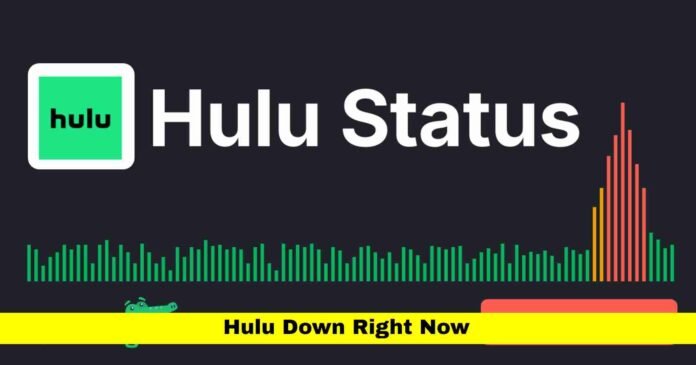

Hulu is currently accessible across the U.S., but some viewers are experiencing temporary login, streaming, or app performance issues. These interruptions are scattered and short-lived, not a full service outage.
Many streaming viewers across the United States are checking their screens with the same concern: something is not working as expected. When episodes refuse to load, live TV freezes, or the app suddenly signs users out, confusion spreads quickly. This detailed report explains what is happening with Hulu today, why interruptions feel widespread even when the platform is active, and how viewers can understand the situation clearly without misinformation or speculation.
This article is written specifically for U.S. audiences and reflects the most current confirmed status as of today. It stays fully focused on Hulu service availability, performance issues, and user experience across devices.
Current Status of Hulu Services in the United States
Hulu is currently operational nationwide. The core streaming infrastructure is active, and millions of users are accessing shows, movies, and live channels without disruption. There is no confirmed nationwide shutdown affecting all subscribers at the same time.
However, a steady flow of user complaints indicates that certain viewers are facing temporary issues. These problems vary by region, device type, and time of day. This uneven pattern is a strong indicator that the platform itself is running, but some parts of the system are under short-term strain.
For many users, Hulu opens normally but behaves inconsistently. Streams may take longer to start, menus may load slowly, or playback may stop briefly before resuming. These experiences can feel like a full outage even when the service remains technically online.
Why Hulu Problems Feel Larger Than They Are
Streaming platforms operate at massive scale. Even a small percentage of users experiencing trouble can create the impression of a major breakdown. Social media amplifies this effect, as frustrated viewers quickly share screenshots and complaints.
Hulu serves tens of millions of U.S. households. When even a fraction of them encounter problems at the same time, the volume of reactions grows rapidly. This leads many users to assume the entire platform is unavailable, even though most viewers continue streaming without interruption.
The gap between perception and reality is one of the biggest reasons confusion spreads so quickly during periods of instability.
Patterns Seen in Recent User Reports
Recent user experiences show clear patterns rather than random failure. Many complaints involve the same categories of problems, suggesting predictable pressure points rather than system collapse.
Login difficulties are among the most common issues. Some users report being signed out unexpectedly, while others say the app repeatedly asks for credentials. In most cases, these problems resolve after restarting the app or waiting a short time.
Playback interruptions are also being reported. Streams may buffer, pause, or return an error message before restarting. These interruptions are frustrating but typically brief.
App crashes appear more frequently on older smart TVs and streaming devices. Newer phones and web browsers generally show better stability.
Login and Account Access Challenges
Account-related issues often cause the most concern. When users cannot sign in, the service feels completely unavailable. These situations are usually tied to temporary authentication delays rather than account suspension or data loss.
Hulu uses continuous background verification to manage millions of active sessions. During peak traffic or maintenance windows, some users may be asked to sign in again. This can happen without warning and may repeat more than once before stabilizing.
While alarming, these login disruptions rarely last long. Most users regain access without needing to reset passwords or contact support.
Streaming Quality and Playback Stability
Streaming quality is one of the most sensitive indicators of platform health. Even slight delays are noticeable to viewers accustomed to instant playback.
When demand spikes, especially in the evening, Hulu’s systems must deliver high-definition video to millions of screens at once. During these moments, some users experience slower load times or brief buffering.
Live programming places additional strain on infrastructure. Unlike on-demand content, live streams cannot be cached in the same way. This makes them more vulnerable to congestion during major events.
These conditions do not mean the platform is offline. They reflect the challenges of real-time streaming at national scale.
Device Compatibility and Performance Differences
Not all devices interact with Hulu in the same way. Hardware age, operating system version, and app updates all affect performance.
Older smart TVs often struggle with newer app builds. Limited memory and outdated software can cause freezing or crashes. Streaming sticks and consoles may also experience problems if updates are delayed.
Mobile devices and desktop browsers tend to perform better because they receive frequent updates and have more processing flexibility. This is why Hulu may work perfectly on a phone while failing on a television in the same home.
Understanding these differences helps explain why problems feel inconsistent.
Network Conditions and Local Connectivity
Many issues blamed on Hulu actually begin closer to home. Internet service fluctuations, Wi-Fi interference, and router performance all influence streaming reliability.
Even high-speed connections can experience brief drops that interrupt video playback. When this happens, Hulu may display an error message or pause the stream. Once the connection stabilizes, service usually resumes.
Because these interruptions happen silently, viewers often assume the problem lies with the platform itself.
Peak Viewing Hours and System Load
Evening hours consistently generate the highest traffic. After work and school, millions of households stream content simultaneously. This surge increases demand across Hulu’s delivery systems.
During these windows, performance may dip slightly for some users. Streams may take a few extra seconds to start, or menus may feel less responsive.
These slowdowns are temporary and usually resolve as viewing levels spread out later in the night.
Past Major Disruptions and Lasting Impact
Hulu has experienced high-profile disruptions in the past. These moments remain fresh in public memory and influence how users react to smaller issues today.
Large-scale outages during live broadcasts or major releases created widespread frustration. Even though those incidents were resolved, they set expectations and heighten sensitivity to any future problems.
As a result, viewers are quicker to assume the worst when something goes wrong, even if current conditions are far less severe.
Platform Changes Affecting User Experience
Hulu is in a period of transition. App updates, backend improvements, and broader platform integration are ongoing. While these changes aim to improve long-term stability, they can create short-term friction.
Some devices are losing support as technology evolves. Users on these platforms may encounter errors that resemble outages but are actually compatibility issues.
Clear communication and gradual rollouts help reduce confusion, but temporary disruptions remain a reality during periods of change.
How Hulu Handles Technical Strain
Modern streaming platforms rely on distributed systems designed to isolate problems. When one part of the network struggles, others continue operating.
This design prevents total shutdown but allows localized issues to occur. A viewer in one region may face repeated errors while another streams without issue.
This uneven experience is often mistaken for widespread failure, even though it reflects built-in resilience rather than collapse.
What Viewers Can Expect in the Short Term
Short-term instability is likely to continue from time to time. As content demand grows and new features roll out, brief interruptions may occur.
Most issues resolve quickly without user intervention. Restarting the app, refreshing the stream, or switching devices often restores normal playback.
Long-term trends show improving reliability overall, despite occasional bumps along the way.
Understanding the Difference Between Outage and Interruption
A true outage affects nearly all users simultaneously. Streams fail everywhere, apps refuse to open, and access is broadly unavailable.
What viewers are seeing today does not match that pattern. Instead, issues are scattered and temporary. This distinction matters because it shapes expectations and response.
Recognizing the difference helps reduce unnecessary frustration and panic.
Why Clear Information Matters
In moments of technical trouble, accurate information becomes essential. Speculation spreads quickly, especially online. Clear explanations help users understand what is happening and what to expect.
By focusing on confirmed conditions rather than rumors, viewers can make informed decisions about waiting, troubleshooting, or switching devices temporarily.
Clarity also builds trust and reduces the sense of helplessness that often accompanies technical disruptions.
The Bigger Picture of Streaming Reliability
Streaming has become a daily utility, not a luxury. Expectations are higher than ever. Minor hiccups that once seemed acceptable now feel disruptive.
Hulu operates in this environment, balancing massive demand with complex infrastructure. Occasional instability is unavoidable, but overall reliability remains strong.
Understanding this context helps viewers place today’s issues in perspective.
What Makes Hulu Different From Smaller Platforms
Scale matters. Hulu delivers content to a far larger audience than many competitors. This scale increases both resilience and complexity.
Smaller platforms may experience fewer complaints simply because fewer people use them. Hulu’s visibility magnifies every issue, no matter how limited.
This dynamic explains why even brief interruptions generate widespread attention.
User Patience and Platform Transparency
Patience is difficult when entertainment is interrupted. However, most issues resolve faster than expected.
Transparency from platforms helps manage expectations. Clear acknowledgment of problems, even minor ones, reassures users that issues are being monitored.
While not every disruption requires public response, consistent performance over time builds confidence.
Looking Ahead for Hulu Viewers
The near future will likely bring continued improvements alongside occasional disruptions. As systems evolve, short-term instability may appear, but long-term reliability remains the goal.
Users who keep devices updated and maintain strong internet connections are less likely to encounter problems.
Overall access remains stable for the majority of viewers.
Final Perspective
Today’s situation reflects temporary performance challenges rather than a full breakdown. Hulu remains accessible across the U.S., with issues affecting some users but not the entire audience.
Understanding what is happening helps reduce confusion and frustration during moments of instability.
If you’re experiencing issues or everything is running smoothly on your end, share your experience and stay connected for ongoing updates as the situation evolves.