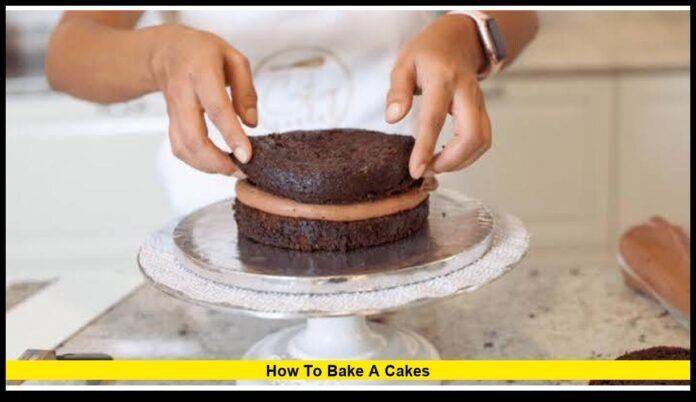

For anyone wondering how to bake a cake, the process is less about complicated techniques and more about getting a few fundamentals right. Accurate measurements, suitable ingredients, controlled oven temperature and careful timing can make the difference between a light, tender dessert and one that is dry, dense or unevenly baked.
Cake baking remains one of the most approachable ways to get started in home cooking. While recipes can range from simple one-bowl mixtures to elaborate layered desserts, the underlying principles are remarkably consistent.
Start With the Right Ingredients
A dependable cake begins with ingredients that work together in the correct proportions.
A basic cake commonly includes flour, sugar, eggs, butter or oil, milk or another liquid, a leavening ingredient and flavoring such as vanilla. Depending on the style, recipes may also contain cocoa, fruit, spices, nuts, yogurt, sour cream or other additions.
The quantities matter. Baking is a formula-driven process, so changing one ingredient can affect the cake’s moisture, structure, sweetness and ability to rise.
For the most consistent results, measuring ingredients by weight with a kitchen scale is preferable when measurements are provided that way. When using flour by volume, avoid compressing it into the measuring cup.
Oven Preparation Matters More Than Many Beginners Expect
A cake should generally go into an oven that has already reached the required temperature.
A temperature around 350°F is common for many conventional cake recipes, but it should not be treated as a universal setting. Some cakes require higher or lower temperatures depending on their ingredients, thickness and desired texture.
An oven thermometer can be useful because the temperature displayed on an oven does not always perfectly match the actual temperature inside.
Before baking, position the rack according to the recipe. For many cakes, a central position provides balanced exposure to the oven’s heat.
Choose and Prepare the Pan Carefully
The shape and size of the pan influence how quickly a cake cooks.
A smaller, deeper pan creates a thicker cake that generally requires more time than a larger, shallower pan containing the same amount of batter.
Greasing the pan helps with release, while parchment paper can provide additional protection against sticking. The exact preparation depends on the type of pan and recipe.
Avoid filling a cake pan too close to the rim. Batter needs room to expand as the cake rises.
The Mixing Method Can Change the Final Texture
Not every cake batter should be mixed in the same way.
Traditional butter cakes often begin by beating softened butter with sugar. This process incorporates air and creates a foundation for a lighter texture.
Eggs are then incorporated, followed by dry ingredients and liquids according to the recipe.
Other cakes use melted butter or oil, while sponge-style cakes may depend heavily on whipped eggs for their volume.
This is why substituting ingredients or changing the mixing method without understanding the recipe can produce unexpected results.
Know When to Stop Mixing
One of the most common mistakes in cake baking happens after flour enters the bowl.
Once flour becomes hydrated, mixing develops gluten. Some gluten is necessary, but excessive development can make a cake less tender.
For many standard cakes, the batter should be mixed only until the ingredients are evenly incorporated.
A few small lumps are not necessarily a problem in recipes where the instructions do not call for extensive mixing. Continuing to beat the batter simply to make it look perfectly smooth can work against the desired texture.
Give the Batter an Even Start
After mixing, transfer the batter into the prepared pan and distribute it as evenly as possible.
If making multiple layers, divide the batter carefully so that each layer has a similar amount. Uneven portions can result in layers finishing at different times.
A spatula can help level the surface before the pan enters the oven.
Once the cake is baking, avoid unnecessary movement of the pan, especially during the early stages when the structure is developing.
Baking Time Is a Guide, Not a Guarantee
Recipes provide estimated baking times, but ovens and baking conditions differ.
A cake can finish sooner or later than the stated time depending on the pan material, oven calibration, batter depth and other factors.
Instead of relying entirely on the clock, look for physical signs that the cake is ready.
The center should appear set rather than liquid. In many cakes, the surface will spring back gently when touched. A toothpick inserted into the middle should come out clean or with a few moist crumbs rather than wet batter.
Checking too early can cause unnecessary heat loss, so it is generally better to begin testing toward the later part of the recommended baking window.
Avoid the Most Common Baking Problems
Several recurring mistakes can affect otherwise good recipes.
A cake that turns out dense may have been overmixed, incorrectly measured or made with an inappropriate amount of leavening.
A dry cake can result from excessive flour, too little moisture or simply staying in the oven too long.
A sunken center can be associated with underbaking, an unstable batter or other issues involving ingredient ratios and oven conditions.
A cake that sticks to the pan may not have been sufficiently prepared, or it may have been removed before the structure had adequately set.
Understanding these possibilities makes troubleshooting much easier than simply changing several ingredients at once.
Cooling Is Part of the Baking Process
Taking a cake out of the oven does not mean the process is finished.
The cake continues to stabilize as it cools. Follow the recipe’s instructions regarding how long it should remain in the pan before being transferred to a rack.
Cooling completely is particularly important before applying frosting.
Frosting a warm cake can cause the topping to soften, melt or slide. A properly cooled cake also makes decorating easier and produces cleaner layers.
How to Bake a Cake With More Flavor
Once the basic method is under control, flavor variations become easy to explore.
Vanilla cake can be enhanced with citrus zest, almond flavoring or fresh berries. Chocolate versions can incorporate cocoa powder or chocolate pieces.
Spices such as cinnamon, nutmeg and ginger can create a warmer profile, while ingredients such as shredded coconut, chopped nuts or dried fruit can provide additional texture.
However, major changes to the quantities of flour, liquid, eggs or leavening should not be made casually. Those ingredients perform structural roles as well as contributing flavor.
Simple Decoration Can Make a Big Difference
A cake does not need elaborate decoration to look appealing.
A smooth layer of buttercream, a dusting of powdered sugar or a topping of fresh fruit can create an attractive finish.
For celebrations, additional decorations such as sprinkles, chocolate curls or piped frosting can be added after the cake has cooled completely.
For layered cakes, spreading a thin initial layer of frosting can help trap loose crumbs before the final coating is applied.
Storage Depends on the Cake
How a finished cake should be stored depends on its ingredients and frosting.
Simple cakes without perishable fillings can often be kept covered at room temperature for a limited period. Cakes containing cream, custard, certain dairy-based frostings or other perishable components generally require refrigeration.
Keeping cake covered helps reduce moisture loss and protects it from absorbing odors from other foods.
If a cake will not be eaten soon, freezing can also be an option. Proper wrapping helps protect the cake’s texture and flavor during frozen storage.
The Most Reliable Approach for Beginners
The best starting point is a straightforward recipe with familiar ingredients and a manageable number of steps.
Instead of attempting a complicated decorated layer cake immediately, beginners can build confidence with a basic single-layer cake. Once measuring, mixing, oven control and doneness testing become familiar, more advanced recipes become considerably easier.
The most important lesson is consistency. Accurate measurements, the correct pan, proper oven temperature and appropriate mixing usually matter more than expensive equipment.
Cake baking is also a skill that improves through observation. Pay attention to batter consistency, how quickly the cake colors, how the center behaves and how the finished crumb feels.
With those fundamentals in place, homemade cakes become much more predictable—and much easier to personalize.