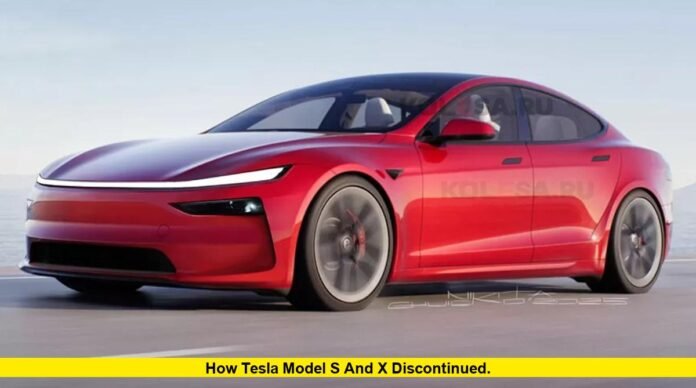

Tesla’s decision to Tesla Model S and X discontinued production marks a major shift in the electric vehicle (EV) world. After more than a decade at the forefront of luxury EV innovation, the Model S sedan and Model X SUV are being phased out, with production set to end by the second quarter of 2026. This development reflects strategic changes within Tesla’s product lineup and broader ambitions beyond traditional automobiles as the company pivots toward robotics and autonomous systems.
If you’ve been considering one of these flagship EVs, now is a critical moment to act before new orders close and production winds down.
Explore remaining inventory and dealer options while these iconic models are still available.
Iconic Beginnings: Model S and Model X in U.S. Auto History
When the Tesla Model S debuted in 2012, it redefined what electric vehicles could be. It offered long-range capability, astonishing acceleration, and cutting-edge technology that challenged the performance and luxury standards set by internal-combustion sedans.
The Model X followed in 2015, bringing electric power to the SUV segment with unique features like falcon-wing rear doors and seating configurations that appealed to families and tech enthusiasts alike.
For years, these models were symbols of Tesla’s innovation – proof that EVs could dominate both the luxury and performance spaces. Their discontinuation marks the end of a pivotal chapter in American automotive history.
What the Discontinuation Means for Buyers in the U.S.
Tesla CEO Elon Musk confirmed in Tesla’s Q4 2025 earnings call that the Model S and Model X will no longer be produced after mid-2026. Production will cease as the company repurposes manufacturing capacity at its Fremont, California plant to support its humanoid robot initiative.
While Tesla will continue to service existing owners with parts and support, new production orders will halt. For prospective buyers in the U.S., this means that the window to purchase a brand-new Model S or Model X is closing fast.
The winding down of these models underscores how Tesla is reshaping its focus toward products with broader mass-market appeal, like the Model 3, Model Y, and the new Cybertruck lineup.
Act quickly if you’re seeking one of these final new units before production ceases and inventory clears out.
Why Tesla Is Shifting Gear Away From the S and X
Although the Model S and Model X were once flagship products, their sales have diminished compared to Tesla’s more affordable vehicles. Reports show that in 2025, these two models made up a very small portion of Tesla’s total U.S. deliveries as buyers increasingly gravitated toward lower-cost alternatives.
Tesla’s strategy now emphasizes expanding its reach into autonomous technology and robotics, areas CEO Musk believes will define the company’s future. Repurposing the Fremont line for Tesla’s Optimus humanoid robots reflects that priority shift.
This realignment comes amid broader industry trends and stiff competition in the EV market from both legacy automakers and newer entrants. In this context, Tesla is relying more on innovative ventures beyond traditional car sales.
Production Timeline and What’s Next
Tesla has indicated that production of the Model S and Model X will continue through the first half of 2026, with final units expected to roll off the assembly line by June. Orders for new vehicles are still being accepted in the U.S. at this time, though that window may close as production draws down.
These final build runs will likely be coveted by collectors and enthusiasts, given the historical significance and the limited timeframe. The vehicles have undergone several revisions over the years, including 2025 model year updates that refreshed some exterior and performance features, yet fundamentally they remain rooted in the same platform introduced years earlier.
Tesla’s broader product family will continue with the Model 3 and Model Y as core consumer offerings. In addition, the company is advancing projects such as the Cybertruck electric pickup and autonomous vehicle products designed for ride-hailing and logistics.
Impact on Current Owners and Resale Market in the U.S.
Current Model S and Model X owners in the United States can expect Tesla to continue offering service support and software updates for years to come. Parts availability and servicing commitments are part of Tesla’s customer care promise for legacy vehicles, even after production ends.
However, discontinuation often influences resale values. As these models exit new production, the secondary market may see increased interest from collectors and EV enthusiasts. Limited supplies of new vehicles might push some buyers toward used inventory, potentially affecting valuation trends.
If you already own one of these legendary EVs, Tesla’s support will remain intact. If you’re watching resale values, it’s worth tracking market shifts as production stops and the models transition fully into heritage status.
Tesla’s Broader Strategy: Beyond Cars
Tesla’s move to end Model S and Model X production reflects a larger transformation. The company is investing heavily in artificial intelligence, robotics, and autonomous systems. Resources and factory space previously devoted to these flagship vehicles are now being redirected toward building Optimus robots and developing technologies that Musk has highlighted as critical to Tesla’s long-term vision.
Tesla’s ambition to become more than an automaker has tangible implications. It signals a diversification of revenue streams and an expansion of technological horizons. While electric vehicles remain central, robotics and autonomy are increasingly core to the company’s identity.
This shift aligns with Tesla’s public commitments and investments in AI infrastructure and autonomous platforms, aiming to blend automotive experience with next-generation technology.
A Legacy That Shaped the EV Era
The Model S and Model X didn’t just reach showrooms. They helped define a generation of electric vehicles and set the stage for mass adoption. Their discontinuation is a significant moment in the U.S. automotive timeline.
As Tesla turns its gaze forward, these iconic models will be remembered for their impact on performance, innovation, and market transformation. Whether you’re a longtime EV enthusiast, a future buyer, or an industry watcher, the end of Model S and Model X production represents both a closing chapter and a gateway to Tesla’s next phase of innovation.
Tell us what you think about the end of the Model S and Model X – drop a comment and stay tuned for updates!