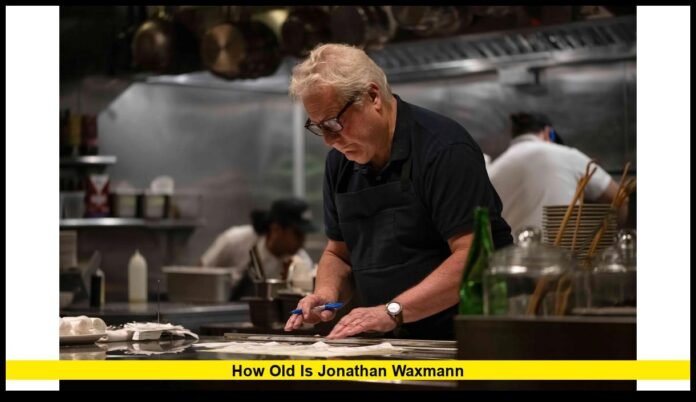

How old is Jonathan Waxman is a question many food enthusiasts ask as the respected chef continues to remain active in the American culinary scene. Jonathan Waxman was born on January 28, 1950, making him 76 years old as of 2026. Over the course of more than four decades, Waxman has built a reputation as one of the chefs who helped shape modern American cuisine, particularly the style known as California cuisine.
Even after decades in professional kitchens, Waxman’s influence remains visible across restaurants throughout the United States. His cooking style emphasizes seasonal ingredients, simple preparation, and bold Mediterranean-inspired flavors. These principles helped redefine how American chefs approach cooking and restaurant menus.
Understanding his age also highlights the remarkable longevity of a career that began in the 1970s and continues to inspire chefs and food lovers today.
Early Life in California
Jonathan Waxman was born in Los Angeles, California, in 1950. Growing up in Southern California exposed him to a diverse food culture and an abundance of fresh produce.
The region’s climate allows year-round farming, which later became an important influence on his cooking philosophy.
During his youth, Waxman developed an appreciation for fresh vegetables, herbs, and seasonal ingredients. These elements eventually became central to the cooking style that defined his career.
Although he would later become a celebrated chef, his original academic path was not focused on culinary arts.
He attended the University of California, Berkeley, where he studied political science.
While at university, however, his interest in cooking grew stronger. Eventually he decided to pursue professional culinary training instead of continuing a traditional academic career.
This decision set the stage for one of the most influential careers in modern American cooking.
Training in European Kitchens
Before establishing himself in the United States, Waxman traveled to France to learn classical cooking techniques.
French culinary training played an important role in shaping his professional skills.
Working in European kitchens exposed him to traditional methods that emphasize precision and respect for ingredients.
During this period, he learned key culinary principles such as:
- Knife skills and ingredient preparation
- Classical French sauces and techniques
- Balanced flavor combinations
- Careful attention to presentation
French cuisine has long influenced professional cooking worldwide. Waxman absorbed these techniques and later adapted them to the ingredients and flavors of California.
This combination would become one of the defining characteristics of his culinary style.
Early Career in the United States
After completing his training in France, Waxman returned to the United States and began working in restaurants that would later become historically important in American food culture.
One of the most notable early steps in his career came when he worked at Chez Panisse in Berkeley.
Chez Panisse, founded by chef Alice Waters, became famous for promoting the farm-to-table movement.
The restaurant focused on fresh local ingredients and simple cooking methods.
This philosophy aligned perfectly with Waxman’s own beliefs about food.
Working in that environment strengthened his commitment to seasonal cooking.
The experience also introduced him to a network of chefs and food producers who were shaping the future of American cuisine.
The Rise of California Cuisine
Jonathan Waxman later became the chef at Michael’s in Santa Monica, a restaurant that played a key role in developing California cuisine.
During the late 1970s and early 1980s, a group of innovative chefs began experimenting with lighter dishes and fresh ingredients.
This approach differed from the heavier European-style restaurant food common at the time.
California cuisine quickly gained attention for several defining characteristics:
- Seasonal produce as the centerpiece of dishes
- Fresh herbs and vegetables
- Grilled meats and seafood
- Mediterranean and Italian flavor influences
- Minimal use of heavy sauces
Waxman’s cooking style fit perfectly within this movement.
Many food historians credit him with helping popularize these ideas in American restaurants.
Signature Culinary Philosophy
Waxman’s approach to cooking is often described as simple but carefully executed.
Rather than relying on complex techniques or elaborate presentation, he focuses on letting ingredients shine.
Key principles of his cooking philosophy include:
- Using the freshest ingredients available
- Highlighting seasonal produce
- Preparing dishes with straightforward techniques
- Allowing natural flavors to stand out
This philosophy influenced a generation of chefs who later opened their own restaurants across the country.
Today, many menus across the United States reflect these ideas.
Opening Influential Restaurants
Jonathan Waxman’s career includes several restaurants that helped shape American dining culture.
Among the most notable are:
| Restaurant | Location | Importance |
|---|---|---|
| Michael’s | Santa Monica, California | Early center of California cuisine |
| Jams | New York City | Popular restaurant in the 1980s |
| Barbuto | New York City | One of Waxman’s most famous restaurants |
Each restaurant reflected Waxman’s cooking philosophy.
Jams, located in Manhattan, gained popularity during the 1980s and introduced many diners to lighter California-inspired dishes.
Later, Waxman opened Barbuto in New York City’s West Village.
Barbuto became widely known for its rustic Italian-inspired menu and relaxed atmosphere.
The restaurant attracted both food critics and loyal regular customers.
Signature Dishes That Define His Style
Jonathan Waxman is known for several dishes that highlight his philosophy of simple ingredients prepared well.
One of his most famous recipes is roast chicken with salsa verde, a dish that combines crisp roasted chicken with a bright herb sauce.
Other dishes commonly associated with his cooking include:
- Handmade pasta with seasonal vegetables
- Grilled meats with fresh herbs
- Simple salads featuring local produce
- Mediterranean-style vegetable dishes
These meals demonstrate how straightforward ingredients can create memorable flavors.
The emphasis remains on quality ingredients rather than complicated techniques.
Cookbooks and Culinary Education
Waxman has also shared his knowledge through several cookbooks.
These books introduce readers to the principles behind his cooking style.
They often focus on practical recipes that home cooks can prepare without specialized equipment.
Cookbooks written by Waxman typically emphasize:
- Seasonal ingredient selection
- Simple cooking techniques
- Mediterranean-inspired flavors
- Accessible recipes for everyday cooking
Through these publications, he has helped expand the reach of his culinary philosophy.
Readers across the country have learned how to apply his approach in their own kitchens.
Television Appearances
Jonathan Waxman has also appeared on television cooking programs.
One of his most widely recognized appearances came when he competed on Top Chef Masters.
The program features accomplished chefs competing in culinary challenges.
Waxman’s participation introduced him to a broader audience of food enthusiasts.
His calm demeanor and deep culinary knowledge stood out during the competition.
Television appearances have allowed viewers to see his cooking style in action.
They also reinforced his reputation as a respected figure in the culinary community.
Awards and Industry Recognition
Throughout his career, Waxman has received praise from critics, chefs, and food organizations.
His influence on modern American cooking has been widely acknowledged.
Restaurants associated with him have earned strong reviews and loyal customer followings.
His contributions to California cuisine remain one of his most important achievements.
The movement he helped popularize continues to shape restaurant menus across the country.
The Lasting Impact of Jonathan Waxman
The question how old is Jonathan Waxman often arises because his career spans so many decades of culinary innovation.
At 76 years old, he remains a respected figure in American food culture.
Many younger chefs credit Waxman with influencing their approach to cooking.
His emphasis on seasonal ingredients and simple preparation continues to guide modern restaurant kitchens.
Farm-to-table dining, now widely popular, reflects ideas he embraced early in his career.
Influence on Modern Restaurant Culture
Many trends common in today’s restaurants can be traced back to chefs like Waxman.
These include:
- Seasonal menu changes
- Partnerships with local farms
- Mediterranean-inspired flavors
- Lighter, ingredient-focused dishes
These concepts now appear in restaurants across the United States.
They helped transform how Americans think about restaurant dining.
Waxman played a major role in bringing these ideas into mainstream culinary culture.
A Career That Spans Generations
Jonathan Waxman’s career began during a period when American cuisine was undergoing major changes.
Over the decades, he has remained relevant by adapting his approach while staying true to his core philosophy.
His influence can be seen in both fine dining restaurants and casual neighborhood eateries.
Young chefs continue to study his work as part of the history of modern American cooking.
Why People Still Search for Him Today
Food enthusiasts often search for information about Waxman because of his long and influential career.
The continued interest in his life reflects the respect he commands within the culinary world.
His restaurants, recipes, and television appearances have introduced millions of people to his cooking style.
Even decades after his early success, his work continues to inspire new generations of chefs.
What do you think about Jonathan Waxman’s impact on modern American cuisine? Share your thoughts and join the discussion with other food lovers.