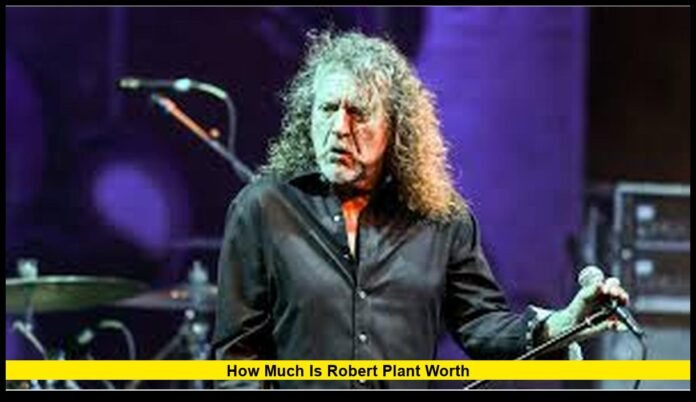

Many music fans continue searching how much is Robert Plant worth as interest in classic rock remains strong and Led Zeppelin’s legacy continues to influence new generations. As of early 2025, the widely accepted estimate places his net worth at around $200 million. This figure reflects decades of earnings from live performances, recorded music, intellectual property rights, merchandise, collaborations, and long-term catalog value.
Robert Plant’s financial standing today demonstrates how a musical career built on originality, longevity, and timeless hits can continue to generate income long after the peak touring years have passed.
Who Is Robert Plant? A Quick Career Snapshot
Robert Plant rose to global fame as the lead vocalist and frontman of Led Zeppelin. His voice, stage presence, and writing style helped shape one of the most influential bands in rock history. His signature vocal tone — powerful, emotional, and blues-inspired — became instantly recognizable.
After Led Zeppelin disbanded in 1980, Plant built a strong solo career, exploring multiple genres like country, folk, and world music. His willingness to evolve creatively has allowed him to stay relevant for more than five decades.
Financial Standing in 2025
The most consistent estimate places his current net worth at approximately $200 million. This amount includes his music royalties, live performance revenue, publishing rights, catalog ownership, personal investments, and other earnings linked to his career.
While exact financial records are private, publicly available estimates remain steady because his catalog continues to generate revenue, especially through streaming and licensing.
Where the Wealth Comes From
Robert Plant’s earnings come from several core revenue streams, many of which continue to pay out decades after creation. These include:
Record Sales and Catalog Value
Led Zeppelin’s music catalog remains one of the most commercially successful in rock history. The band’s albums still sell in physical formats and continue generating streaming revenue worldwide.
Plant’s share of catalog royalties represents a significant portion of his wealth. These catalog earnings help sustain his financial portfolio even without constant touring or new album releases.
Royalties and Publishing Rights
Royalties continue to play a major role in his finances. Music platforms, radio stations, films, documentaries, television, advertising, and gaming media regularly use Led Zeppelin tracks.
Plant also receives royalties from his solo work, collaborations, and songwriting credits. Publishing rights remain one of the most lucrative forms of income for artists with historical significance and high streaming demand.
Touring and Live Performances
Even though he no longer tours at the scale of Led Zeppelin’s prime, Robert Plant still performs select shows. His live performances often sell out due to fan loyalty and the iconic status of his music.
Concerts and live appearances remain an important income source and allow him to stay active in the industry.
Merchandise and Licensing
Brand licensing and merchandise continue to contribute to his wealth. Led Zeppelin-related products — clothing, collectibles, vinyl sets, anniversary editions, books, and memorabilia — remain popular among fans.
Plant also benefits from the long-term global demand for branded and collectible rock merchandise.
Awards and Collaborations
His award-winning projects beyond rock — including Grammy-winning collaborations — have helped introduce him to new audiences outside the Led Zeppelin demographic. This expansion of listener base indirectly supports catalog streaming numbers and long-term royalty value.
Lifestyle, Property, and Privacy
One aspect that affects how his wealth is discussed publicly is his relatively private lifestyle. Robert Plant is not known for excessive public spending, headline-making purchases, or flashy assets. While he owns property and valuable items, his public persona reflects simplicity rather than extravagance.
This makes him different from many classic rock contemporaries who acquired mansions, cars, or high-cost investments during peak fame years. His financial stability appears built on sustained earnings rather than unchecked spending.
How His Net Worth Compares to Other Classic Rock Artists
While no two artists share the same income structure, Robert Plant ranks among the wealthier musicians of the classic rock era. His long-term royalty structure, global legacy, and participation in an iconic catalog boost his value.
Some artists gain the bulk of their wealth through recent sales of music rights. In Plant’s case, sustained earnings and long-term catalog power remain key drivers rather than a single large transaction.
Why His Music Continues Generating Revenue
Plant’s catalog remains relevant due to several factors:
- Evergreen popularity of classic rock
- High streaming numbers from younger audiences
- Continued use of music in film and television
- Multi-generational fandom
- Collectible releases and anniversary editions
- Interest in legacy musicians and music documentaries
This long-term demand ensures consistent royalty flow and keeps the financial value of his work high.
The Influence of Streaming
Streaming has become a major revenue source for legacy artists. Millions of monthly streams keep catalog music financially active, especially for bands with historical significance. Plant benefits from this shift because Led Zeppelin’s catalog performs exceptionally well across digital platforms.
Streaming platforms have introduced Led Zeppelin to listeners who were not alive when the band was active, helping extend cultural relevance and earnings potential.
Future Outlook
As of now, there is no indication that Robert Plant plans to retire from music completely. His selective touring style suggests that artistic passion remains important to him, even if financial necessity is no longer a factor.
His catalog is expected to maintain long-term value due to:
- Cultural influence
- Licensing potential
- Streaming demand
- Evergreen fan interest
Given these conditions, his estimated net worth will likely remain stable — and possibly increase — in the coming years.
Final Summary
So, how much is Robert Plant worth today? The current estimate sits at around $200 million, supported by decades of music revenue, catalog strength, global licensing, royalties, live performances, and enduring fan demand.
His financial success reflects the lasting value of historic music catalogs and how iconic creative work can continue to generate revenue long after its original release.
What do you think keeps Plant’s music and legacy thriving today? Share your thoughts and join the conversation below.