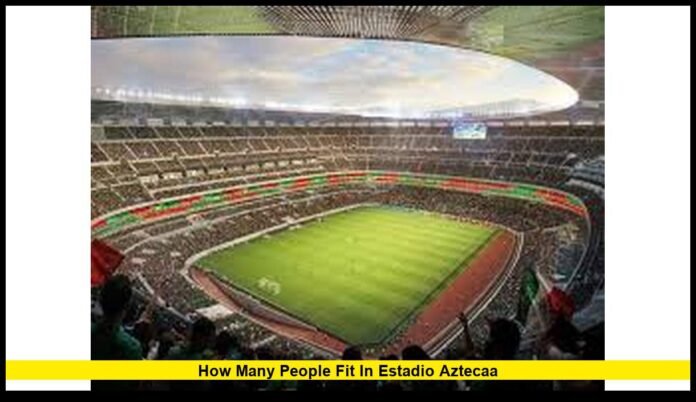

Estadio Azteca has long been regarded as one of the most iconic football stadiums in the world, attracting millions of fans with its unforgettable history and legendary atmosphere. If you’ve been searching for how many people fit in Estadio Azteca, the current official answer is 87,523 spectators. After undergoing major renovations in preparation for the 2026 FIFA World Cup, the famous Mexico City venue continues to rank among the largest football stadiums on the planet while preserving the rich legacy that has made it a global sporting landmark.
From hosting two unforgettable World Cup finals to welcoming some of the biggest names in football and entertainment, Estadio Azteca remains a destination unlike any other. Its modern upgrades have enhanced comfort, accessibility, and technology without taking away the passion and history that define every match played inside its walls.
Key Points Summary
╔════════════════════════════════════════════════════════════════════╗
║ – Estadio Azteca currently has an official capacity of 87,523 spectators. ║
║ – The stadium is the largest football venue in Latin America. ║
║ – It first opened in 1966 and has hosted countless historic sporting events. ║
║ – The venue will make history by hosting matches at its third FIFA World Cup in 2026. ║
║ – Recent renovations modernized facilities while preserving the stadium’s iconic identity. ║
╚════════════════════════════════════════════════════════════════════╝
The Current Capacity of Estadio Azteca
Today, Estadio Azteca officially accommodates 87,523 fans. While this figure is smaller than the record crowds seen during earlier decades, it reflects modern international standards for spectator comfort and safety.
Instead of maximizing the number of seats, recent redevelopment projects focused on improving the overall experience. Wider seating areas, improved accessibility, upgraded hospitality suites, enhanced media facilities, and modern technology have all become priorities for one of football’s most famous venues.
The result is a stadium that combines world-class amenities with the atmosphere that supporters have enjoyed for generations.
Why Has the Capacity Changed Over Time?
When Estadio Azteca opened in the 1960s, football stadiums around the world were designed very differently from today’s venues.
Many stadiums featured:
- Standing terraces
- Bench seating
- Narrower spectator sections
- Limited hospitality areas
- Fewer accessibility requirements
These layouts allowed attendance figures that regularly exceeded 100,000 spectators.
As international safety regulations evolved, football authorities encouraged stadium owners to improve fan comfort and security. Individual seating gradually replaced long concrete terraces, emergency access routes became wider, hospitality areas expanded, and modern facilities occupied space that had previously been used for general seating.
Although the official capacity declined over the decades, the quality of the experience improved dramatically.
A Stadium Built for Football History
Few sporting venues have witnessed as many unforgettable moments as Estadio Azteca.
Since opening in 1966, it has become synonymous with football greatness.
The stadium hosted the FIFA World Cup in 1970, welcoming supporters from around the globe. The tournament produced one of the most celebrated finals in football history, as Brazil defeated Italy to claim another world championship.
Sixteen years later, Estadio Azteca again became the center of the football universe during the 1986 FIFA World Cup.
It was here that Diego Maradona delivered two of the most famous goals ever scored during the quarterfinal against England. One became known worldwide as the “Hand of God,” while the other showcased an extraordinary solo run through the English defense that continues to be celebrated as one of football’s greatest individual goals.
Argentina eventually lifted the World Cup trophy, adding another historic chapter to the stadium’s remarkable story.
Preparing for the 2026 FIFA World Cup
The work focused on bringing the stadium in line with modern FIFA standards while protecting its historic character.
Among the improvements are:
- Modern seating throughout the venue
- Updated locker rooms
- Improved media facilities
- Enhanced lighting systems
- Advanced broadcasting technology
- Better accessibility for all spectators
- Upgraded hospitality lounges
- Improved food and beverage areas
- Modern security systems
- Enhanced playing surface
These changes ensure the stadium remains one of the world’s premier football venues for years to come.
The First Stadium to Host Three FIFA World Cups
One achievement separates Estadio Azteca from every other football stadium in history.
The venue is set to become the first stadium ever to host matches during three separate FIFA World Cups.
It previously welcomed the world’s biggest football tournament in:
- 1970
- 1986
- 2026
This remarkable milestone reflects both the stadium’s historical importance and Mexico’s enduring role as one of football’s great nations.
Hosting three different World Cups places Estadio Azteca in a category entirely of its own.
Home to Club América and Mexico’s National Team
Outside international tournaments, Estadio Azteca serves as the home ground for Club América, one of the most successful clubs in Mexican football.
The stadium also regularly hosts matches involving the Mexico men’s national team.
Whenever El Tri plays important qualifiers or international friendlies, thousands of supporters fill the stands to create one of the loudest atmospheres in world football.
For visiting teams, playing at Estadio Azteca has always been a unique challenge.
The combination of passionate supporters, enormous size, and Mexico City’s high altitude creates an environment unlike almost anywhere else in international football.
More Than a Football Stadium
Although football defines Estadio Azteca’s identity, the venue has hosted many other major events throughout its history.
These include:
- NFL regular-season games
- International music concerts
- Cultural celebrations
- Charity events
- International sporting competitions
- Exhibition matches
Global artists have performed before packed crowds, while major sporting organizations continue to view the stadium as one of the most prestigious venues in the Americas.
Its versatility has allowed it to remain active throughout the year rather than serving only football supporters.
Architecture That Stands the Test of Time
One reason Estadio Azteca remains so admired is its impressive architectural design.
Built into the landscape rather than towering above it, much of the stadium sits below ground level.
This unique construction method allows enormous seating capacity while maintaining structural stability.
The bowl-shaped layout also helps create remarkable acoustics.
When nearly 90,000 supporters cheer simultaneously, the sound reverberates throughout the stadium, creating an unforgettable atmosphere for players and fans alike.
A Tourist Attraction in Mexico City
Even when football is not being played, Estadio Azteca attracts visitors from around the world.
Sports enthusiasts frequently include the stadium in their travel plans because of its extraordinary history.
Visitors come to admire:
- The famous playing field
- Historic displays
- Team facilities
- Trophy collections
- Stadium architecture
- Panoramic views from the stands
For many football fans, simply walking through the same tunnel once used by legends is a memorable experience.
Why Fans Still Love Estadio Azteca
Modern stadiums often feature cutting-edge technology and luxurious amenities, yet few generate the emotional connection found inside Estadio Azteca.
Supporters appreciate the venue because it combines history with modern comfort.
Generations of fans have celebrated championships, witnessed unforgettable goals, and shared emotional moments within its walls.
That heritage cannot be replicated through new construction alone.
Every renovation has aimed to preserve the stadium’s identity while ensuring it continues serving future generations of football supporters.
Looking Ahead
As the countdown to the 2026 FIFA World Cup continues, Estadio Azteca is once again preparing to welcome the world’s attention.
Millions of television viewers will watch matches played inside one of football’s most recognizable arenas.
Players from around the globe will have the opportunity to perform on the same field where Pelé, Diego Maradona, and countless other legends created unforgettable memories.
The renovated stadium is expected to remain a centerpiece of Mexican football long after the World Cup concludes.
Its combination of history, size, atmosphere, and modern facilities ensures that it will continue hosting major domestic and international events for decades.
Frequently Asked Questions
What is the official seating capacity of Estadio Azteca?
The stadium officially seats 87,523 spectators following its latest modernization project.
Was Estadio Azteca ever larger?
Yes. Earlier versions of the stadium accommodated well over 100,000 fans because standing areas and bench seating were common before modern safety regulations.
How many people fit in Estadio Azteca today?
The current official capacity is 87,523, making it the largest football stadium in Latin America and one of the biggest stadiums anywhere in the world.
Why was the capacity reduced?
Modern renovations introduced individual seats, expanded hospitality areas, improved accessibility, enhanced safety systems, and upgraded facilities, all of which required additional space.
What makes Estadio Azteca unique?
It is the first stadium in football history selected to host matches during three separate FIFA World Cups, while also serving as the home of Club América and frequently hosting Mexico’s national team.
Final Thoughts
Estadio Azteca represents far more than a football stadium. It is a living piece of sporting history where unforgettable moments have inspired generations of fans across the globe. Although its official capacity has changed over the years, the atmosphere inside remains as powerful as ever. With room for 87,523 spectators, cutting-edge facilities, and a legacy unmatched by nearly any other venue, Estadio Azteca continues to stand among the greatest football stadiums ever built.
Are you excited to see Estadio Azteca take center stage once again during the 2026 FIFA World Cup? Share your thoughts in the comments and stay connected for more football news, stadium guides, and tournament updates.