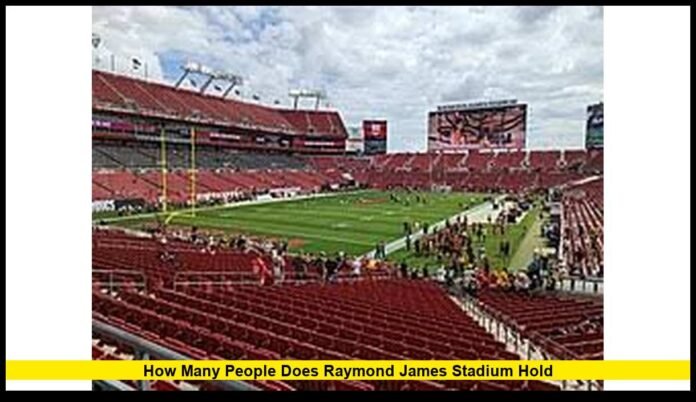

Raymond James Stadium is one of the most recognizable sports and entertainment venues in the United States, and a common question from fans and visitors is how many people does Raymond James Stadium hold during major games and events. Located in Tampa, Florida, the stadium is best known as the home of the Tampa Bay Buccaneers, but its role extends far beyond professional football. From championship games to sold-out concerts, the venue has welcomed millions of guests since opening its doors, making its capacity and layout a major point of interest.
Understanding the stadium’s size is not just about a number. It also reveals how the building was designed, how crowds move through it, and why it continues to be a preferred site for large-scale national events.
Official Seating Capacity
Raymond James Stadium has a standard permanent seating capacity of 69,218. This figure represents the fixed seats installed throughout the lower and upper bowls, club sections, and premium areas. For most NFL games, college football matchups, and regular events, this is the number used in official attendance counts.
For certain large-scale events, the stadium can be reconfigured with additional temporary seating. When these extra sections are added, capacity can increase to approximately 75,000 spectators. This expanded setup is typically used for major championships, special sporting events, and large concerts where demand exceeds the standard seating layout.
How the Seating Is Structured
The stadium’s seating is divided into several main levels, each designed to provide clear sightlines and efficient crowd movement.
Lower Bowl
The lower bowl wraps around the playing field and holds the largest portion of the permanent seating. These sections are closest to the action and are popular for football games, soccer matches, and field-level concert views.
Upper Bowl
The upper bowl rises above the lower level and offers a wide, panoramic view of the entire stadium. These seats account for a significant part of the total capacity and are designed with steep angles to maintain good visibility even at the highest rows.
Club Seating
Between the lower and upper bowls are club sections that provide wider seats, indoor lounge access, and upgraded food and beverage options. These areas are included in the official capacity and are often chosen by season ticket holders and corporate guests.
Luxury Suites
Raymond James Stadium features nearly 200 luxury suites positioned around the stadium’s mid-level. While these suites accommodate smaller groups, collectively they contribute thousands of seats to the total capacity and play a major role in hosting VIPs and corporate partners.
Accessibility and Inclusive Seating
The stadium was designed to ensure that fans with disabilities can attend events comfortably. Wheelchair-accessible seating is distributed throughout all seating levels, including prime sightline locations. Companion seats, accessible restrooms, and elevator access are integrated into the facility, allowing all guests to enjoy events without barriers.
These accessible sections are included in the overall capacity count, reflecting the stadium’s commitment to inclusive design.
Capacity for Different Types of Events
While football is the primary tenant activity, Raymond James Stadium regularly adapts its seating layout to suit different types of events.
NFL Games
For Tampa Bay Buccaneers home games, the stadium uses its standard configuration of 69,218 seats. Sellouts create a full-house atmosphere, with fans filling every level from the end zones to the highest upper-deck rows.
College Football and Bowl Games
The venue hosts college football games and annual bowl matchups that often attract national audiences. Depending on demand, these events may use the standard capacity or expand seating with temporary sections.
International Soccer Matches
When international soccer teams or exhibition matches are scheduled, field dimensions and seating arrangements may be adjusted. Capacity typically remains close to the standard figure, with some variations based on field layout and stage positioning.
Concerts and Entertainment Shows
Concert capacity can vary more significantly. Stage placement, sound towers, and production equipment may reduce seating in some areas while floor seating is added in others. For major tours, total attendance can approach or exceed the expanded capacity range, depending on configuration.
Design Features That Support Large Crowds
Raymond James Stadium was built with crowd flow and safety in mind. Wide concourses, multiple entry gates, and clearly marked seating sections allow tens of thousands of people to enter and exit efficiently.
Concourse Layout
The main concourses circle the stadium, providing continuous access to concessions, restrooms, and merchandise stands. Their width allows for smooth movement even during peak times such as halftime or intermissions.
Entry and Exit Gates
Numerous gates are positioned around the stadium’s perimeter, distributing foot traffic and reducing congestion. This design supports rapid entry before events and organized departures afterward, even when attendance approaches maximum capacity.
Parking and Transportation
Large on-site parking areas and surrounding transportation routes are planned to handle full-capacity crowds. Event management teams coordinate traffic flow to accommodate tens of thousands of vehicles and ride-share users.
Historic Events and Attendance Milestones
Since opening in 1998, Raymond James Stadium has hosted some of the most significant events in American sports and entertainment.
Super Bowl Games
The stadium has been the site of multiple Super Bowls, each drawing near-capacity or expanded-capacity crowds. These events demonstrated the venue’s ability to handle national and international attention while maintaining smooth operations for over 70,000 spectators.
Championship and Playoff Games
In addition to professional football, the stadium has welcomed major college championships and playoff matchups, often using expanded seating to meet demand.
World-Class Concerts
Global music stars have performed to packed houses, with stage setups that transformed the field into standing-room and floor-seating areas while still utilizing much of the permanent bowl seating.
How Raymond James Stadium Compares to Other NFL Venues
Within the National Football League, stadium capacities range widely. Some venues seat just over 60,000, while the largest exceed 80,000. With a standard capacity of more than 69,000 and the ability to expand to around 75,000, Raymond James Stadium sits comfortably in the upper middle of the league.
Its size allows it to host marquee events without the challenges that can come with extremely large or extremely small venues. This balance has helped it remain a reliable choice for league showcases and national broadcasts.
Future Considerations and Upgrades
While the core seating capacity has remained stable, the stadium has undergone periodic renovations to improve technology, comfort, and fan services. High-definition video boards, enhanced sound systems, and upgraded club areas have all been added over the years.
Any future renovations are expected to focus on modernizing amenities rather than dramatically changing seating totals. The current capacity already meets the requirements for major professional and collegiate events, making it well-suited for continued use in the coming years.
Why Capacity Matters to Fans and Organizers
For fans, knowing how many people a stadium can hold helps set expectations for atmosphere and crowd size. A near-capacity game often means louder noise levels, more energy in the stands, and a stronger sense of shared experience.
For event organizers, capacity determines ticket availability, pricing strategies, security planning, and staffing needs. The ability to scale from 69,000 to roughly 75,000 seats gives Raymond James Stadium flexibility to host both routine and extraordinary events without compromising safety or comfort.
The Big Picture
The question of how many people does Raymond James Stadium hold connects directly to its role as a centerpiece of sports and entertainment in Florida and across the United States. With a standard capacity of 69,218 and the option to expand to about 75,000, the stadium is built to handle some of the largest crowds in the region.
Its thoughtful design, adaptable seating, and history of hosting high-profile events have made it a venue where unforgettable moments unfold in front of tens of thousands of fans at a time.
Have you ever been part of a packed crowd at Raymond James Stadium? Share your experience and stay tuned for more updates on major events and venues.