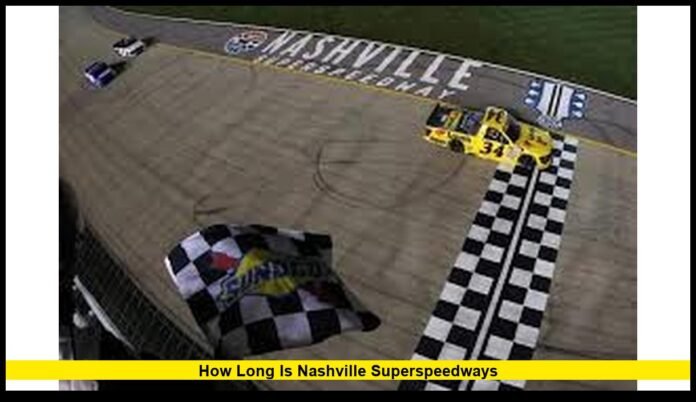

NASCAR fans often search for one simple question: how long is Nashville Superspeedway? The answer is 1.333 miles, but the story behind this Tennessee racing venue goes far beyond its official measurement. Over the past several seasons, Nashville Superspeedway has become one of the most popular stops on the NASCAR calendar, attracting large crowds, delivering competitive racing, and strengthening its reputation as a premier motorsports destination in the Southeast.
Located in Lebanon, Tennessee, just outside the city of Nashville, the track combines a distinctive concrete surface with a challenging D-shaped oval layout. Drivers, teams, and fans all recognize the speedway as a venue that rewards skill, patience, and strategy.
As NASCAR continues to visit Tennessee each season, interest in Nashville Superspeedway remains strong. Whether fans are planning a race weekend trip or simply learning more about the sport, understanding the track’s dimensions and characteristics helps explain why it has become such an important part of modern NASCAR racing.
If you’re a NASCAR enthusiast or planning your first visit to a race, Nashville Superspeedway offers a unique experience that stands apart from many other tracks on the schedule.
The Official Length of Nashville Superspeedway
Nashville Superspeedway measures exactly 1.333 miles per lap. NASCAR officially classifies it as an intermediate track, although its size places it between traditional short tracks and larger speedways.
The length creates an interesting challenge for teams. Drivers spend enough time carrying high speeds through the corners, but the track is compact enough to keep cars close together throughout an event.
For NASCAR Cup Series races held at the venue, competitors typically complete 300 laps, resulting in nearly 400 miles of total racing distance. Every lap demands concentration because the track’s concrete surface behaves differently than asphalt circuits used elsewhere on the schedule.
The unique length also influences race strategy. Crew chiefs must carefully balance tire management, fuel mileage, and track position throughout an event.
Where Is Nashville Superspeedway Located?
Despite carrying the Nashville name, the speedway is located in Lebanon, Tennessee. The facility sits roughly 30 miles east of downtown Nashville, making it easily accessible for fans traveling from across the country.
Its location provides several advantages for visitors.
The track is close enough to Nashville’s entertainment district for fans to enjoy the city’s famous attractions while still offering the space needed for large-scale motorsports events. Hotels, restaurants, music venues, and local attractions contribute to the overall race-weekend experience.
Many visitors combine NASCAR events with extended stays in the Nashville area, creating one of the most attractive race destinations on the annual schedule.
A Track Built for High-Speed Competition
Nashville Superspeedway’s layout contributes significantly to the quality of racing.
The speedway features:
- A D-shaped oval design
- Four corners with progressive racing lines
- Concrete racing surface
- Multiple grooves for overtaking
- Long straightaways that encourage high speeds
Drivers must balance aggression with patience. Entering the corners too aggressively can lead to tire wear and handling issues later in a race. Those who manage their equipment effectively often find themselves in contention during the final laps.
The track’s dimensions create opportunities for side-by-side racing, especially during restarts when competitors battle for position across multiple lanes.
Why the Concrete Surface Matters
One of the most important characteristics of Nashville Superspeedway is its concrete racing surface.
Most NASCAR tracks utilize asphalt, but Nashville belongs to a smaller group of venues that race primarily on concrete. This difference affects nearly every aspect of competition.
Concrete generally provides a different level of grip compared with asphalt. It reacts differently to weather conditions and changes throughout a race weekend.
As temperatures rise or fall, teams must constantly adapt their setups. Drivers frequently discuss how the racing groove evolves over the course of an event, making adjustments critical to success.
The surface also impacts tire wear patterns, forcing teams to carefully monitor performance during long green-flag runs.
History of Nashville Superspeedway
Nashville Superspeedway opened in 2001 and quickly became an important venue for major motorsports events.
In its early years, the track hosted races for several national series, helping establish its reputation as one of the region’s premier racing facilities.
Over time, thousands of fans traveled to Tennessee to watch future NASCAR stars compete on the challenging oval. The speedway became known for producing close finishes and memorable battles throughout the field.
The venue experienced a major boost when NASCAR’s premier series returned to race there. Since then, attendance has remained strong, and the facility has become a staple of the modern NASCAR schedule.
Its combination of racing quality and geographic location continues to attract fans from across the United States.
How Fast Are NASCAR Cars at Nashville Superspeedway?
Speed remains one of the biggest attractions at Nashville Superspeedway.
Modern NASCAR Cup Series cars can exceed 180 miles per hour on portions of the track, depending on race conditions and setup configurations.
Drivers enter corners at high speeds before carefully managing throttle input through the turns. Maintaining momentum is essential because even small mistakes can cost several positions.
The balance between speed and control creates exciting competition throughout the field.
Unlike some larger drafting tracks where aerodynamic effects dominate the action, Nashville often rewards driver skill, tire conservation, and strategic decision-making.
Race Strategy Plays a Major Role
Winning at Nashville Superspeedway requires more than raw speed.
Crew chiefs face numerous strategic decisions during a race, including:
- Tire replacement timing
- Fuel conservation
- Pit stop adjustments
- Stage break planning
- Track position management
A well-timed pit stop can dramatically alter the outcome of an event.
Because passing can become more challenging during certain portions of a race, teams often place significant emphasis on maintaining favorable track position.
Late-race cautions frequently create dramatic restarts, giving competitors additional opportunities to gain positions before the checkered flag.
Fan Experience Continues to Improve
Nashville Superspeedway has focused heavily on creating a memorable fan experience.
Race weekends now feature entertainment beyond the on-track action.
Visitors can enjoy:
Interactive Fan Zones
Fan areas provide opportunities to explore NASCAR exhibits, participate in activities, and experience the sport up close.
Driver Appearances
Many race weekends include autograph sessions, interviews, and fan engagement events that allow visitors to interact with drivers and teams.
Family-Friendly Attractions
The venue offers activities designed for fans of all ages, helping introduce new audiences to NASCAR.
Camping and Tailgating
Camping remains one of the most popular ways to experience race weekend. Many fans arrive several days before the event to enjoy the atmosphere and connect with fellow racing enthusiasts.
Economic Impact on Tennessee
Major NASCAR events generate substantial economic activity for the surrounding region.
Hotels, restaurants, retail stores, transportation services, and entertainment venues all benefit from the influx of visitors.
Race weekends attract fans from multiple states, creating a significant tourism boost for local businesses.
The relationship between Nashville’s tourism industry and NASCAR continues to strengthen as attendance remains healthy and visitor demand stays high.
Many fans extend their stay beyond race day, contributing additional spending throughout the area.
What Makes Nashville Different From Other NASCAR Tracks?
Every NASCAR venue has its own identity, and Nashville Superspeedway is no exception.
Several factors help distinguish it from other facilities.
Unique Size
At 1.333 miles, the track occupies a middle ground between short tracks and larger intermediate speedways.
Concrete Construction
The surface creates challenges not found at many other NASCAR venues.
Modern Fan Amenities
The facility continues investing in improvements that enhance the race-day experience.
Proximity to Nashville
The nearby city adds a cultural and entertainment dimension that few tracks can match.
These characteristics combine to create a destination that appeals to both dedicated NASCAR fans and casual visitors.
Growing Importance on the NASCAR Schedule
Over the last several seasons, Nashville Superspeedway has solidified its place as one of NASCAR’s marquee destinations.
The venue consistently delivers:
- Strong attendance
- Competitive racing
- National attention
- Significant tourism activity
- Positive fan feedback
Drivers frequently praise the challenges presented by the track, while fans appreciate the combination of racing action and entertainment options available throughout race weekend.
As NASCAR continues evolving, Nashville Superspeedway remains well-positioned to play a major role in the sport’s future.
How Long Is Nashville Superspeedway and Why Does It Matter?
For fans wondering how long is Nashville Superspeedway, the official answer remains 1.333 miles. Yet the significance of the track extends far beyond that number.
Its concrete surface, strategic racing, high speeds, and growing popularity have transformed it into one of NASCAR’s most recognizable venues. The speedway offers a distinctive challenge for drivers and an exciting experience for spectators.
Whether attending in person or following the action from home, fans continue to view Nashville Superspeedway as one of the highlights of the NASCAR season. As race weekends continue drawing large crowds and delivering memorable moments, the Tennessee track remains a key destination for motorsports enthusiasts across the country.
Are you planning a trip to Nashville Superspeedway or following this season’s NASCAR action? Share your thoughts and stay tuned for more racing updates and track insights.