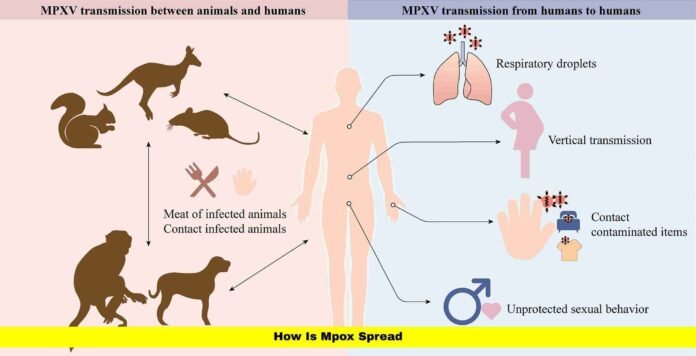

Understanding how is mpox spread is crucial as cases continue to appear globally. Mpox, previously known as monkeypox, is a viral disease that can transmit through several routes, making awareness and preventive measures essential for limiting outbreaks.
Direct Physical Contact as the Main Transmission Route
Mpox spreads most commonly through close physical contact with an infected person. This includes skin-to-skin contact, especially with lesions or rashes, and intimate interactions such as kissing or sexual activity. Prolonged face-to-face contact can also allow respiratory droplets carrying the virus to infect another person.
Individuals are highly contagious when symptoms are visible, particularly during the rash and lesion stage. Avoiding close contact with infected individuals is therefore critical in preventing transmission.
Transmission Through Contaminated Objects
The virus can survive on objects and surfaces, leading to indirect transmission. Items that may carry the virus include bedding, clothing, towels, and personal care items like toothbrushes or razors. Even electronics or furniture that have been contaminated can pose a risk if touched and followed by contact with the eyes, nose, or mouth.
Regular cleaning, proper laundry handling, and disinfection of shared items can significantly reduce the risk of spreading mpox through contaminated objects.
Animal-to-Human Transmission
While less common in current outbreaks, mpox is a zoonotic virus, meaning it can spread from animals to humans. Transmission may occur through bites or scratches from infected animals, handling or preparing meat from infected animals, or consuming undercooked animal products.
People in endemic regions, such as parts of Central and West Africa, are at a higher risk when interacting with wildlife or handling animal products without protective precautions.
Mother-to-Child Transmission
Mpox can also spread from a pregnant person to their fetus or newborn. Vertical transmission can occur during pregnancy, delivery, or shortly after birth. This route of transmission may cause complications for both mother and child, making it important for pregnant individuals to minimize exposure to symptomatic individuals.
Potential for Presymptomatic Spread
Some evidence suggests mpox may spread before visible symptoms appear. Individuals in the presymptomatic stage could unknowingly transmit the virus to others through close contact. This possibility highlights the need for caution around anyone potentially exposed to mpox, even if they seem healthy.
Factors That Increase Risk of Transmission
Certain behaviors and environments increase the likelihood of contracting mpox. These include:
- Multiple sexual partners or sexual contact with symptomatic individuals.
- Close living quarters, such as dormitories or communal housing, which facilitate easier spread.
- Healthcare exposure, particularly when infection control practices are insufficient.
- Travel to endemic areas, increasing contact with local cases or animals carrying the virus.
Understanding these risk factors helps individuals take appropriate precautions in daily life.
Preventive Measures Against Mpox
Preventing mpox involves practical actions to reduce exposure. Key strategies include:
- Avoiding close contact with anyone displaying symptoms, including skin lesions or rashes.
- Practicing safe sex, using barriers, and limiting partners to reduce risk.
- Disinfecting personal items and commonly touched surfaces frequently.
- Seeking vaccination, if recommended for high-risk populations, following local health guidance.
- Prompt medical consultation when symptoms arise, to reduce transmission and receive early care.
These preventive measures help control the spread of mpox and protect both individuals and communities.
Conclusion
Knowing how is mpox spread allows individuals to make informed decisions about protecting themselves and others. Through awareness of contact transmission, contaminated objects, animal exposure, and potential presymptomatic spread, people can take targeted steps to minimize risk. Vigilance, hygiene, and preventive measures remain key in controlling the spread of mpox globally.
Stay aware of updates and consider these precautions to safeguard your health and the well-being of those around you.