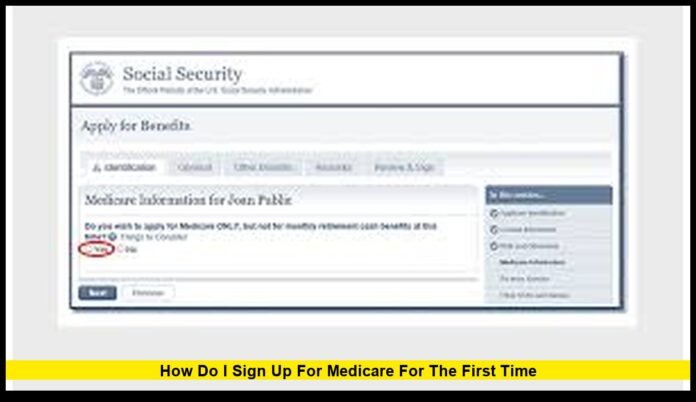

How do I sign up for Medicare for the first time is a question millions of Americans ask each year as they approach a major life transition. Medicare enrollment is not automatic for everyone, and the decisions made during the first enrollment window can affect healthcare access and costs for decades. Understanding the process clearly, following current rules, and enrolling at the right time helps avoid penalties, delays, and confusion.
Why First-Time Medicare Enrollment Is So Important
Medicare is the backbone of healthcare coverage for older Americans. Unlike employer-sponsored insurance, Medicare operates under federal enrollment rules that leave little room for error. Missing deadlines or misunderstanding eligibility can result in permanent monthly penalties that never go away.
For many people, Medicare becomes their primary insurance for the rest of their lives. That makes first-time enrollment more than just paperwork. It is a financial and healthcare decision that shapes access to doctors, hospitals, medications, and preventive services long into retirement.
Because Medicare rules are strict, preparation is essential. Those who take time to understand enrollment options early often experience fewer problems later.
Who Qualifies to Sign Up for Medicare for the First Time
Most Americans qualify for Medicare at age 65. Eligibility depends on age, citizenship or lawful residency, and work history. In general, you qualify if you are 65 or older and either a U.S. citizen or a lawful permanent resident who has lived in the United States for at least five consecutive years.
Some individuals qualify before age 65 due to long-term disability or specific medical conditions. These individuals often have different enrollment timelines but still follow Medicare rules once coverage begins.
Understanding when you qualify helps determine when your enrollment window opens and what steps you must take to secure coverage on time.
Understanding the Structure of Medicare Before You Enroll
Medicare is divided into separate parts, each covering different types of care. Knowing how these parts work together helps you make informed choices during enrollment.
Medicare Part A focuses on inpatient hospital care, skilled nursing facilities, hospice services, and limited home health care. Many people qualify for premium-free Part A based on work history.
Medicare Part B covers outpatient services such as doctor visits, preventive care, diagnostic tests, mental health services, and durable medical equipment. Part B requires a monthly premium that may vary based on income.
Medicare Part C, commonly known as Medicare Advantage, is an alternative way to receive Medicare benefits through private plans approved by Medicare. These plans combine Part A and Part B and often include additional benefits.
Medicare Part D provides prescription drug coverage through private plans. Enrollment in Part D is optional but important to avoid late penalties.
Understanding these components before enrolling prevents rushed decisions and reduces the risk of choosing coverage that does not meet your needs.
When You Can Sign Up for Medicare for the First Time
The first opportunity most people have to enroll in Medicare is the Initial Enrollment Period. This period lasts seven months and is centered around your 65th birthday.
The Initial Enrollment Period begins three months before the month you turn 65, includes your birthday month, and continues for three months afterward. Enrolling early during this window ensures coverage starts on time.
Delaying enrollment within this period may delay the start of coverage. Missing it entirely can lead to penalties and limited enrollment options.
Understanding this timeline is critical because Medicare does not allow retroactive enrollment to fix missed deadlines.
Automatic Enrollment vs. Taking Action Yourself
Not everyone needs to apply for Medicare manually. Some individuals are automatically enrolled, while others must take steps to sign up.
If you are already receiving Social Security retirement benefits before turning 65, Medicare enrollment usually happens automatically. You are enrolled in Part A and Part B, and your Medicare card arrives by mail.
If you are not receiving Social Security benefits at that time, you must actively sign up for Medicare. This is common among people who delay Social Security to increase future benefits or continue working past 65.
Failing to understand which category you fall into is one of the most common reasons people miss enrollment deadlines.
How Do I Sign Up for Medicare for the First Time: The Enrollment Process Explained
Signing up for Medicare for the first time can be completed through several official methods. Each method results in the same coverage, but the process may differ based on your preference.
Online enrollment is the most widely used option. It allows you to complete the application at your convenience and review your information before submission. Many applicants prefer this method due to its speed and flexibility.
Phone enrollment provides guided assistance from trained representatives. This option is helpful if you have questions or prefer speaking with someone during the process.
In-person enrollment at a Social Security office is another option. This method allows face-to-face interaction and document review, which some people find reassuring.
Certain situations require paper applications, especially when enrolling after age 65 due to employer coverage. These forms must be completed carefully to avoid processing delays.
What You Need Before You Apply
Preparation makes enrollment smoother. Most applicants need basic identification and proof of age. A Social Security number is required, along with information about current or past health coverage.
If you are enrolling during a special enrollment period, you may need documentation from an employer confirming coverage dates.
Having accurate information ready reduces errors and speeds up processing.
When Medicare Coverage Begins
The timing of your enrollment determines when your coverage starts. Enrolling before your birthday month usually means coverage begins the first day of your birthday month.
Enrolling during or after your birthday month may delay coverage to the following month. Delays increase the later you enroll within your Initial Enrollment Period.
Those who enroll during the General Enrollment Period face additional delays, as coverage begins after enrollment is processed rather than immediately.
Understanding start dates helps avoid gaps in coverage, especially for those leaving employer insurance.
Working Past 65 and Special Enrollment Periods
Many Americans continue working after age 65 and maintain employer-sponsored health insurance. In these cases, you may qualify for a Special Enrollment Period.
A Special Enrollment Period allows you to enroll in Medicare without penalties after employer coverage ends. However, not all employer plans qualify, and rules vary based on employer size.
It is essential to confirm whether your employer coverage allows you to delay Medicare enrollment safely. Assuming coverage qualifies without verification can lead to permanent penalties.
Medicare Penalties You Should Avoid
Medicare penalties are one of the most misunderstood aspects of enrollment. The Part B late enrollment penalty increases your monthly premium for each year you were eligible but did not enroll.
Part D penalties apply if you go without qualifying prescription coverage for an extended period. These penalties continue for as long as you have coverage.
Avoiding penalties is one of the strongest reasons to understand enrollment rules early and act on time.
Choosing Additional Coverage After Enrollment
Once enrolled in Original Medicare, you can choose additional coverage options. These include Medicare Advantage plans, prescription drug plans, and supplemental insurance.
Your first enrollment window often provides the most flexibility. Later changes may be limited or require medical underwriting.
Carefully reviewing your healthcare needs helps ensure your coverage aligns with your lifestyle and budget.
Common First-Time Enrollment Mistakes
Many first-time applicants delay enrollment because they believe they are automatically covered. Others misunderstand how employer insurance interacts with Medicare.
Another common mistake is focusing only on Part A while ignoring Part B, which can trigger penalties later.
Awareness of these mistakes helps you avoid costly errors.
Medicare and Long-Term Financial Planning
Medicare enrollment is closely tied to retirement planning. Premiums, deductibles, and out-of-pocket costs should be factored into your budget.
Income-related adjustments may affect premiums, making it important to plan ahead if your income changes.
Thoughtful planning ensures Medicare supports your financial stability.
Why Timing Shapes Your Medicare Experience
The timing of your first enrollment influences not only coverage start dates but also future flexibility. Missing deadlines limits options and increases costs permanently.
Early planning gives you more control and peace of mind.
Preparing Months Before Turning 65
Starting preparation six to twelve months before turning 65 allows time to understand coverage types, deadlines, and potential penalties.
Early preparation leads to confident decisions rather than rushed choices.
The Long-Term Impact of First-Time Medicare Decisions
Medicare decisions made at enrollment often stay with you for life. Premiums, penalties, and coverage options are shaped by early choices.
Taking enrollment seriously protects both health and finances.
Final Thoughts on Signing Up for Medicare for the First Time
Signing up for Medicare for the first time is a major milestone. While the process may seem complex, understanding the rules and acting within your enrollment window helps secure reliable healthcare coverage.
Medicare is designed to provide stability and access, but only when enrollment is handled correctly from the beginning.
Understanding how Medicare works before you enroll can make the difference between lifelong confidence and lifelong penalties — stay informed, plan ahead, and take control of your healthcare future.