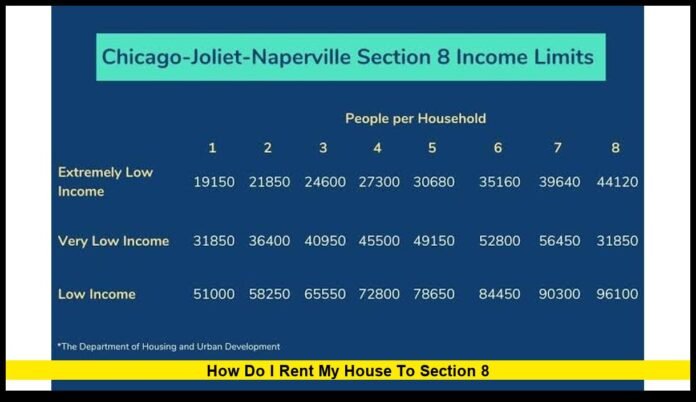

vIf you are wondering how do i rent my house to section 8, you can begin by contacting your local Public Housing Agency (PHA), preparing your property for inspection, and learning how the Housing Choice Voucher Program works. This federal rental assistance program helps eligible households afford privately owned homes while participating landlords receive approved housing assistance payments.
For homeowners in the United States, renting through Section 8 can provide another way to find tenants and collect rental income. However, the process involves specific requirements. Your property must meet applicable housing standards, the proposed rent must receive approval, and you must complete the required lease and housing assistance paperwork.
Section 8 does not eliminate your responsibilities as a property owner. You still manage the house, screen applicants according to applicable laws, arrange repairs, and follow the rental agreement. The local housing agency handles the voucher administration and determines whether the proposed tenancy qualifies for assistance.
Understanding each step before advertising your property can help you avoid unnecessary expenses and make better decisions about your rental investment.
What Does Renting Your House to Section 8 Mean?
Section 8 is the commonly used name for the federal Housing Choice Voucher Program. It helps eligible households pay for rental housing in the private market.
Under this arrangement, the tenant pays the portion of rent assigned by the housing agency, and the agency sends its approved share directly to the landlord. The exact payment amounts depend on the approved rent, household income, applicable payment standards, and other program calculations.
Three parties participate in a typical Section 8 rental arrangement.
- The property owner: Provides a qualifying home, maintains the property, and follows the lease and program requirements.
- The tenant: Pays the required portion of rent and meets the obligations established by the lease and voucher program.
- The Public Housing Agency: Administers the voucher, evaluates the proposed rent, arranges inspections, and makes approved assistance payments.
You remain the owner of the house. The housing agency does not automatically become your property manager, and you generally remain responsible for maintenance, tenant communication, and other normal landlord duties.
The program can accommodate eligible single-family houses, townhomes, apartments, and other permitted rental properties. You do not necessarily need to own multiple units or operate a large rental business.
However, the agency must approve the proposed tenancy. Simply advertising your property to voucher holders does not guarantee acceptance into the program.
1. Find the Housing Agency Serving Your Property
Your first task is to identify the Public Housing Agency responsible for your rental property’s location.
Housing agencies may serve cities, counties, regions, or larger geographic areas. Their procedures, payment standards, application requirements, and landlord services can differ.
Contact the appropriate agency and explain that you want to make your house available to a household participating in the Housing Choice Voucher Program.
Ask the agency about its current landlord participation process. You should find out whether it offers property listings, online registration, landlord orientation, or a dedicated department for rental owners.
Important questions include:
- Is the property located within the agency’s service area?
- What forms must the landlord complete?
- How can you advertise an available house to voucher holders?
- What payment standards currently apply?
- Which inspection requirements does the agency use?
- How does the agency approve proposed rents?
- What documents are required before payments begin?
- How are housing assistance payments issued?
Some housing agencies maintain online systems for participating landlords. Others require owners to work directly with housing specialists.
Start with the agency that serves your property’s actual address. An agency in a nearby city may administer a different voucher program and may not be able to process your rental.
2. Check Your Property’s Eligibility
Before spending money on advertising or renovations, determine whether your house can qualify for the program.
A property must meet the applicable federal housing standards and any additional legal requirements that apply locally. The agency will evaluate the home and proposed tenancy before approving assistance.
Start by confirming that you have the legal authority to rent the property. If another person co-owns the house, you may need to coordinate with that owner before entering into a lease.
Review your mortgage documents, insurance policy, and homeowners association rules when applicable. These documents may contain restrictions or conditions that affect how you can rent the property.
You should also check whether your city or county requires rental registration, licensing, permits, or separate inspections.
The property’s physical condition matters as well. Inspect the electrical systems, plumbing, heating, windows, doors, stairs, flooring, and other essential components.
Look for problems that could affect tenant safety or normal use of the home. Repair damaged fixtures, leaking pipes, unsafe steps, defective locks, and other hazards before requesting an official inspection.
If the property was built before 1978, federal lead-based paint requirements may apply. Review the applicable disclosure and safety obligations before leasing the house.
The agency will determine whether the home satisfies the standards required for the proposed tenancy. Do not assume that an ordinary rental inspection automatically satisfies every Section 8 requirement.
3. Prepare Your House for the Section 8 Inspection
An important part of the approval process is demonstrating that your house meets the applicable housing quality requirements.
HUD has been transitioning the Housing Choice Voucher Program toward the National Standards for the Physical Inspection of Real Estate, commonly called NSPIRE. The inspection framework and implementation arrangements can change, so landlords should obtain the current checklist directly from their local housing agency.
Before the inspection, conduct a detailed walkthrough.
Electrical safety: Check outlets, switches, lighting, and visible wiring. Address damaged electrical components and other hazards through qualified professionals when necessary.
Plumbing: Ensure that required fixtures operate correctly. Repair leaks, drainage problems, and other conditions that affect sanitation or normal use.
Heating: Confirm that the required heating equipment operates safely and meets applicable standards.
Doors and windows: Check that doors and windows function properly and that required locks and security features work.
Stairs and flooring: Repair loose steps, unsafe railings, damaged floors, and other hazards that could cause injuries.
Smoke and carbon monoxide alarms: Install and maintain required safety devices according to the applicable standards.
Kitchen and bathroom: Inspect sinks, toilets, bathing facilities, cabinets, and other essential fixtures. Address moisture, sanitation, and plumbing problems.
Roof and structure: Look for leaks, damaged ceilings, unsafe floors, and other conditions that could affect the property’s safety or habitability.
A property that fails inspection may require repairs and another inspection before approval can proceed. Depending on the situation, the additional work can delay the proposed move-in date.
Ask the PHA which items inspectors will evaluate. A current checklist is more useful than an outdated list from another city or housing program.
4. Establish a Realistic Monthly Rental Price
Setting the right rent is one of the most important financial decisions you will make.
You can propose a rental amount based on your property’s features and local market conditions. However, the housing agency must determine whether the proposed rent is reasonable compared with similar unassisted rental properties.
The agency may consider the home’s location, bedroom count, size, condition, amenities, and utility arrangements. Comparable rentals in the surrounding market can also influence the decision.
Another important factor is the payment standard used to calculate assistance.
A payment standard is not automatically the maximum rent a landlord can request. The agency evaluates the proposed rent and the household’s circumstances under the applicable rules.
Fair Market Rent, payment standards, approved contract rent, and the subsidy paid to the landlord are different figures. You should not treat them as interchangeable.
For example, suppose you own a three-bedroom house and propose a monthly rent of $2,100. The housing agency reviews comparable rentals, the property’s characteristics, and the applicable program requirements.
The agency might approve the proposed amount, determine that a different rent is appropriate, or decline the proposed tenancy if the requirements are not satisfied.
This example is illustrative. It does not establish a nationwide rent limit.
Before advertising, request the latest payment-standard information from your local PHA. Compare your proposed rent with similar properties in the neighborhood.
Also calculate your operating expenses. Mortgage payments, insurance, property taxes, maintenance, management costs, and vacancies can affect your final profit.
A rental price that looks attractive at first may not be financially sustainable after you account for these expenses.
5. Advertise Your House and Find a Voucher Holder
Once your property is ready and you understand the local requirements, you can begin searching for a tenant.
Depending on the housing agency, you may be able to submit your property for inclusion in a local rental listing service. You can also advertise through conventional rental platforms, real estate professionals, and property managers.
Your advertisement should clearly explain the rental terms.
Include the monthly rent, number of bedrooms, number of bathrooms, property location, expected availability, utility arrangements, security deposit, and application instructions.
Mention available appliances and amenities. State any lawful pet restrictions and other relevant lease conditions.
If you are willing to rent to Housing Choice Voucher participants, make that information clear.
Before advertising, check the source-of-income discrimination laws that apply to your property. Some states and municipalities prohibit landlords from rejecting applicants because they use rental vouchers or other qualifying housing assistance.
Washington State, for example, includes source of income among its housing discrimination protections. Other jurisdictions have different rules, so verify the requirements for your property.
You should evaluate prospective tenants based on lawful criteria rather than assumptions about people who receive assistance.
6. Screen Applicants Under Applicable Housing Laws
Accepting Section 8 does not generally mean you must rent to every voucher holder who applies. You can usually evaluate prospective tenants using lawful, consistently applied screening criteria.
Depending on applicable law, screening may include rental history, landlord references, relevant credit information, and previous lease compliance.
Establish your criteria before reviewing applications. Apply them consistently and keep appropriate records of your decisions.
However, source-of-income protections and other fair housing rules may limit certain screening practices. In some locations, landlords must adjust how they calculate income requirements for applicants receiving rental assistance.
Do not automatically require a voucher holder to demonstrate enough personal income to cover the entire approved rent. The PHA pays its approved share, and the tenant pays the required contribution.
You must also comply with applicable protections involving disability, familial status, race, national origin, and other protected characteristics.
If you use a property manager or tenant-screening company, make sure its procedures comply with the laws that apply to your rental.
7. Submit the Request for Tenancy Approval
When you select a prospective tenant who has a valid voucher, the next step is to complete the Request for Tenancy Approval, commonly known as the RFTA.
HUD’s standard RFTA form is Form HUD-52517. Your local housing agency may require additional documentation or a specific submission method.
The form provides information about the house and the proposed rental agreement.
You may need to supply:
- The property’s address and bedroom count.
- Your name and contact information.
- The proposed monthly rent.
- The security deposit.
- The expected lease start date.
- Utility responsibilities.
- Appliances provided with the property.
- Property characteristics and required certifications.
The tenant and landlord complete their respective sections according to the agency’s instructions.
The PHA reviews the information, evaluates the proposed rent, and coordinates the required inspection and approval procedures.
Submitting the RFTA does not guarantee approval. The property, rental amount, and proposed tenancy must satisfy the applicable program requirements.
Check the voucher expiration date and coordinate with the tenant and housing specialist. Incomplete paperwork or missed deadlines may delay the application.
8. Complete the Inspection and Correct Any Problems
The housing agency will arrange the required property inspection according to its procedures.
An inspector may examine the house’s interior, exterior, utilities, essential systems, and safety equipment.
If the house passes, the agency can proceed with the remaining approval steps. If the property fails, you will generally need to correct the identified problems.
Request the inspection results in writing. This will help you understand which repairs are required and whether the agency has established specific deadlines.
Typical issues can include unsafe electrical components, plumbing leaks, defective locks, damaged stairs, inadequate heating, or missing required alarms.
Complete the repairs and keep relevant records, including invoices and contractor documentation.
A follow-up inspection may be necessary before the tenancy can receive final approval.
Do not assume that a prospective tenant’s voucher guarantees that your house qualifies. The agency must approve the property and proposed rental arrangement.
9. Sign the Lease and Housing Assistance Payments Contract
After the property and proposed rent receive approval, you must complete the required agreements.
The first document is the rental lease between you and the tenant. It identifies the rent, lease term, responsibilities, and other lawful conditions of the tenancy.
The lease must include the required HUD tenancy addendum. If a lease provision conflicts with the applicable addendum, the addendum generally takes precedence on the matters it covers.
The second document is the Housing Assistance Payments contract, commonly called the HAP contract. This agreement establishes the payment arrangement between the landlord and the housing agency.
The HAP contract identifies the approved rental arrangement and the parties’ responsibilities.
The agency may also request tax forms, ownership documentation, banking information, and other records.
Read all documents before signing. Confirm that the rent, utility arrangements, lease dates, and payment information are accurate.
Follow the PHA’s instructions regarding the order of signing, approval, and move-in. Do not assume that the tenant can move in under the voucher arrangement simply because you have submitted the application.
10. Understand Your Section 8 Rental Payments
Once the required approvals and agreements take effect, the housing agency pays its approved portion of the rent directly to you.
The tenant remains responsible for the required share.
The tenant’s contribution generally depends on household income and applicable program calculations. HUD commonly uses approximately 30% of adjusted monthly income as a reference point, although the actual calculation may differ under the program’s rules.
Utility allowances, deductions, and other household circumstances can affect the final amounts.
Consider a hypothetical example involving a house with an approved contract rent of $1,800 per month. The PHA determines the housing assistance payment and the tenant’s required contribution under the applicable calculations.
You cannot determine the exact subsidy from the contract rent alone. The agency must calculate the amounts based on the relevant program requirements.
The housing agency does not automatically cover every dollar of rent you initially request. Likewise, you cannot collect unauthorized additional rent from the tenant to compensate for an amount the PHA does not approve.
Ask the agency how it issues payments, whether direct deposit is available, and how it handles changes in assistance amounts.
Keep clear records of the subsidy received and the tenant’s payments. If a payment is delayed or appears incorrect, contact the housing specialist before making assumptions about the cause.
11. Maintain the Property Throughout the Tenancy
Your responsibilities continue after the tenant moves in.
You must maintain the house in accordance with the lease, HAP contract, applicable housing standards, and state and local landlord-tenant laws.
Respond to repair requests, address safety hazards, and keep essential systems in working order. Follow the agency’s instructions for required inspections and notifications.
Keep records of rent payments, repairs, inspection results, lease documents, and important communications.
You should also notify the PHA when required by the program contract or applicable rules. Changes involving ownership, management, banking information, or rental terms may require documentation.
Good records can help you track expenses, manage the property, and resolve disagreements.
12. Request Rent Increases Through the Correct Process
You may be able to request a rent increase during an assisted tenancy, but the change must follow the applicable procedures.
The PHA reviews proposed increases under program rules, including rent-reasonableness requirements. Your lease, HAP contract, and notice obligations also matter.
Ask the housing agency for its current rent-increase form and submission deadline before making plans.
The agency may compare your proposed rent with similar unassisted rentals. It can approve the requested amount, approve a different amount, or decline the request.
Do not charge the tenant an unapproved increase. Continue following the existing agreement until a change becomes effective under the applicable rules.
Planning ahead allows the agency time to review the request and helps you avoid misunderstandings about the rent.
Advantages and Challenges of Section 8 Rentals
Participating in the Housing Choice Voucher Program may offer several advantages for landlords.
The housing agency pays its approved portion of the rent directly to you, creating a defined payment arrangement. Advertising to voucher holders can also help you reach additional prospective tenants.
You can participate with an eligible single-family home rather than owning a large apartment complex. The program also provides established procedures for inspections, rent reviews, and subsidy payments.
However, participation involves responsibilities that you should consider before making a decision.
You may need to invest in repairs before the property passes inspection. Paperwork and approval procedures can delay the start of a tenancy. The PHA may not approve your initial rental price, and ongoing maintenance remains your responsibility.
Housing assistance payments are subject to applicable program rules and are not an unconditional guarantee of payment.
Evaluate the house as a rental investment. Consider taxes, insurance, repairs, mortgage costs, management fees, and possible vacancy periods before deciding whether the approved rent will meet your financial goals.
Frequently Asked Questions
Can I rent my house to Section 8 if I have never been a landlord?
Yes. You generally do not need previous landlord experience. You must have the legal authority to rent the house and comply with the applicable property, inspection, lease, and program requirements.
Do I need to register directly with HUD?
Most individual landlords work with the local Public Housing Agency that administers the Housing Choice Voucher Program. Contact the agency serving your property to learn about its landlord registration procedures.
Does Section 8 pay the entire monthly rent?
No, not in every case. The housing agency pays the approved subsidy, and the tenant pays the required portion. The payment amounts depend on the approved rent and applicable program calculations.
Can a single-family house qualify for Section 8?
Yes. Eligible single-family homes can participate if the property and proposed tenancy meet the program’s requirements.
How long does the approval process take?
The timeline varies by location and circumstances. Paperwork, rent review, inspection scheduling, repairs, and contract execution can all affect how quickly a tenancy receives approval.
Can I choose my own Section 8 tenant?
You can generally screen applicants using lawful and consistently applied rental criteria. However, federal fair housing rules and state or local source-of-income protections may restrict how you evaluate applicants.
Can I charge whatever rent I want?
You may propose a rental price, but the PHA must review and approve the tenancy under its rent-reasonableness and other applicable requirements. Your requested amount is not automatically approved.
What happens if my house fails the inspection?
You will generally need to correct the identified deficiencies and follow the housing agency’s instructions. A follow-up inspection may be required before the tenancy can proceed.
Can I increase the rent after a tenant moves in?
You may request an increase under the applicable rules. The request must follow the lease, HAP contract, notice requirements, and housing agency approval procedures.
Who is responsible for repairs?
The landlord remains responsible for required property maintenance and repairs under the lease, applicable housing standards, and local law. Tenants must also comply with their lease obligations.
Do all landlords have to accept Section 8 vouchers?
The answer depends on the laws governing the property. Some states and municipalities prohibit discrimination based on source of income, including qualifying rental assistance. Check your local requirements before making a decision.
What happens if the tenant loses their voucher?
Assistance depends on the household’s continuing eligibility and compliance with program requirements. If assistance ends, the tenant’s remaining obligations depend on the lease and applicable law. Contact the PHA before changing the rental arrangement or taking action against the tenant.
Final Thoughts
Renting a house through Section 8 requires preparation, accurate paperwork, and a clear understanding of your local housing agency’s procedures. Start by confirming your property’s eligibility, checking the applicable payment standards, preparing for inspection, and finding a suitable tenant.
Once the agency approves the rent and property, complete the lease and housing assistance contract according to its instructions. Continue maintaining the home and following program requirements throughout the tenancy.
With careful planning, Section 8 can provide another option for renting an eligible property while helping qualified households find housing.
Are you considering renting your house through Section 8? Share your questions or experiences in the comments and stay informed about the latest landlord requirements.