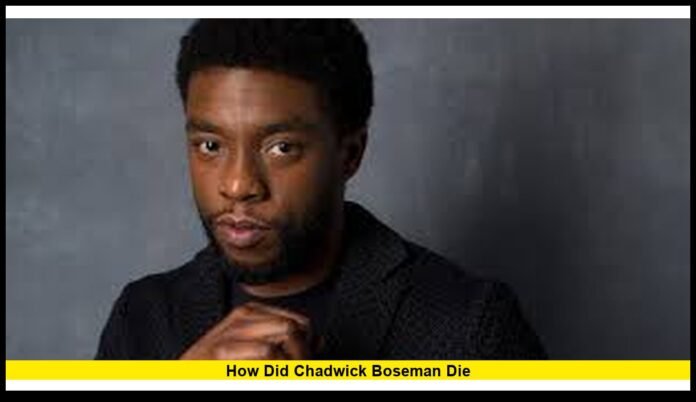

Understanding how did Chadwick Boseman die has remained important to millions of fans who admired his work, his strength, and the quiet dignity with which he lived his final years. His passing in 2020 shocked the world, especially because he never revealed publicly that he was living with cancer. Over time, the facts of his illness, the way he managed it, and the impact of his life have become clearer. Today, years later, the confirmed information still offers insight into his private struggle and the lasting influence of his story.
The Beginning of His Private Health Battle
Chadwick Boseman learned he had stage III colon cancer in 2016. This diagnosis marked the beginning of a deeply personal battle—one he never shared publicly. Stage III indicates that cancer has spread to nearby lymph nodes but not yet to distant organs. Many people in this stage undergo intense medical care, including surgery, chemotherapy, and ongoing monitoring.
What made Boseman’s situation so extraordinary was that, despite facing a serious illness, he moved forward with an ambitious schedule. He accepted film roles, trained for physically demanding scenes, traveled internationally, and engaged with fans—all while managing treatments, recovery days, and the emotional weight that comes with such a diagnosis.
His resilience defined him long before the public knew anything about his condition.
How He Managed His Career While Undergoing Treatment
Between 2016 and 2020, Boseman filmed several major projects. These included a mix of action, drama, and biographical films that required preparation, discipline, and intense physical commitment. None of his performances reflected the battle he was fighting privately.
Those who worked with him often described him as humble, focused, and deeply dedicated to the craft. He arrived on set prepared. He maintained professionalism. He avoided drawing attention to himself. Even when he felt exhausted or uncomfortable, he continued to give powerful and grounded performances.
His decision to protect the truth about his illness allowed him to remain in control of his public image. It also let him preserve a sense of normalcy in the spaces where he created his best work.
His inner circle later reflected that he wanted to be judged for the roles he played—not for a health condition he did not wish to make public.
The Progression From Stage III to Stage IV
Although he underwent treatment, his cancer did not remain stable. Over time, it progressed to stage IV. At this stage, the illness reaches distant parts of the body, making treatment options more limited and often more challenging.
Even as the disease advanced, he did not slow down in his creative work. He continued filming, participating in interviews, appearing at events, and supporting causes he cared about. Observers sometimes noted fluctuations in his weight or changes in his appearance, but he never offered an explanation.
To the world, he was a talented actor at the height of his career. In reality, he was shouldering an illness that had become increasingly aggressive.
The Final Months of His Life
The months leading up to Chadwick Boseman’s passing remain a powerful example of his courage. Behind closed doors, he continued receiving care while also spending more time with family. He focused on work that mattered to him, including roles that carried emotional depth and cultural impact.
Though his appearance changed, he never disclosed why. His privacy remained firm until the very end. Even people who worked with him closely did not know he was nearing the final stage of his illness.
This level of privacy in modern celebrity culture is rare, yet it was a deeply personal choice that reflected how he lived: with intention, respect, and quiet strength.
The Day the World Learned the Truth
Chadwick Boseman died on August 28, 2020. He passed away at home in Los Angeles at 43 years old. His wife and family were by his side in his final moments. The announcement of his death instantly spread across the world. Fans, colleagues, and leaders from many communities responded with shock, grief, and admiration.
The truth he had kept private for years revealed itself in a few powerful words: he had lived with colon cancer while continuing to work, inspire, and perform at the highest level.
His family later shared that he handled his illness with grace, seeking strength in faith, love, and purpose. His final hours reflected the same quiet resilience he had shown throughout his life.
Understanding What Led to His Death
To understand how did Chadwick Boseman die, it’s necessary to understand how colon cancer behaves in its most advanced stage. By the time it reaches stage IV, cancer can spread to major organs, disrupt normal body functions, and lead to system failure.
In his case, complications from stage IV colon cancer ultimately caused his passing. Advanced cancer often leads to multiple organ failure because the disease interferes with essential processes that sustain life.
His passing was not sudden medically, but it was sudden for everyone who admired him. The world learned in one moment what he had faced for four years.
Why Chadwick Boseman Chose Privacy
Boseman’s decision to keep his diagnosis private was grounded in personal values. He believed in protecting his family from public attention. He also wanted to maintain a sense of normalcy in his career. For him, privacy was a form of strength—something he held onto while navigating a life-altering illness.
He did not want public sympathy or altered expectations. He preferred to let his work speak for itself. His decision allowed him to pour everything he had into each project without the world watching his health decline.
This choice shaped the way the public remembers him: as a powerful performer who carried himself with dignity through every challenge.
Impact of His Death on Awareness of Colon Cancer
After his passing, conversations about colon cancer changed significantly. Many people were shocked that such a young, active, and talented man could die from a disease often associated with older adults.
Health experts highlighted a growing trend: colon cancer diagnoses in younger individuals have been increasing. His story prompted many Americans to seek earlier screening and to pay closer attention to symptoms such as:
- Rectal bleeding
- Unexplained weight loss
- Persistent fatigue
- Abdominal discomfort
- Changes in bowel habits
The updated recommendation for screening to begin at age 45 gained wider attention after his death. More people became aware of the importance of early detection, and medical professionals reported increased interest in preventive testing.
In communities at higher risk, especially among Black men, his story created a renewed push for education and access to care.
His Influence in the Years Following His Passing
Chadwick Boseman’s legacy did not end with his death. His work continues to inspire audiences. His character portrayals remain part of major cultural conversations. Memorials and tributes honor both his talent and his strength.
Each year, new admirers discover his films and learn about the quiet battle he fought off-camera. Young actors cite him as a role model. Fans continue to express gratitude for the roles he delivered, especially during a time when most people would have stepped away from work entirely.
The impact of his illness also extends to public health. Colon cancer awareness campaigns often reference how younger adults can face serious diagnoses. His name appears in discussions about early screening, research funding, and healthcare disparities.
His influence lives on not just in film, but in conversations that protect lives.
A Clear Answer That Stands Strong Today
For those seeking a precise understanding of how did Chadwick Boseman die, the confirmed information remains unchanged. He lived for four years with colon cancer after an initial stage III diagnosis in 2016. The cancer progressed to stage IV. Complications of the disease eventually led to multiple organ system failure. He died at home on August 28, 2020, surrounded by loved ones, after choosing to keep his illness private throughout his career.
His story is one of extraordinary strength, unwavering dedication, and quiet courage. The facts of his death help illuminate the depth of his resilience and the power of the legacy he left behind.
If you found this detailed look helpful or want to share your thoughts about his life and legacy, feel free to leave a comment below and stay connected for future updates.