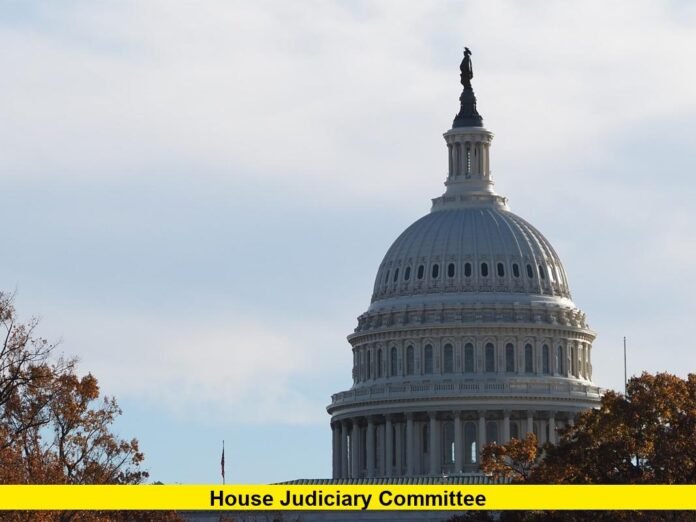

The House Judiciary Committee stands at the center of congressional power in 2026, driving oversight of federal agencies, immigration enforcement, and constitutional disputes. As one of the most influential panels in the U.S. House of Representatives, it continues to shape national debates that affect courts, civil rights, corporate regulation, and executive authority.
With Republicans holding the House majority at the start of the 119th Congress in January 2025, Rep. Jim Jordan of Ohio continues to play a leading role in committee leadership, while Rep. Jerrold Nadler of New York remains a senior Democratic voice. The committee’s direction reflects sharp partisan differences, yet its jurisdiction ensures that its work reaches into nearly every corner of federal law.
Jurisdiction and Constitutional Authority
Few congressional committees have a mandate as broad as this one.
Its jurisdiction covers:
- The federal judiciary and court administration
- Constitutional amendments
- Civil liberties and civil rights
- Immigration and naturalization
- Antitrust and competition law
- Federal criminal law
- Oversight of the Department of Justice
Because of this authority, the committee serves as a primary check on executive power. It also plays a decisive role when impeachment proceedings arise, making it central to moments of constitutional crisis.
The U.S. Constitution grants the House of Representatives sole power of impeachment. The Judiciary panel handles investigations, hearings, and the drafting of articles of impeachment when necessary.
Leadership in the 119th Congress
At the beginning of 2025, the Republican majority maintained control of the House. Rep. Jim Jordan, known for his assertive oversight style, continued to shape the committee’s agenda. He previously chaired during the 118th Congress and remains closely aligned with leadership priorities focused on federal accountability and border enforcement.
Rep. Jerrold Nadler, who chaired the committee during Democratic control from 2019 to 2022, serves as the ranking Democratic member. Nadler’s long tenure gives him institutional influence, particularly in constitutional and civil rights matters.
Membership on the committee reflects party ratios in the House. Senior lawmakers with legal experience often secure seats, though political strategy also shapes appointments.
Oversight of the Department of Justice
Oversight remains a defining feature of the committee’s work in 2025 and 2026.
Hearings have scrutinized:
- Prosecutorial decision-making
- Federal investigations involving elected officials
- FBI procedures
- Compliance with congressional subpoenas
Attorney General Merrick Garland has appeared before the panel multiple times during recent sessions. Lawmakers questioned him on investigative independence, internal DOJ policies, and coordination with other agencies.
Republican members argue that rigorous oversight ensures fairness and transparency. Democratic members counter that some inquiries risk undermining public trust in law enforcement institutions.
Televised hearings have drawn significant public attention, reinforcing the panel’s visibility nationwide.
Immigration Policy and Border Enforcement
Immigration continues to dominate the committee’s legislative calendar.
In 2025, lawmakers revisited proposals aimed at:
- Tightening asylum eligibility standards
- Increasing detention capacity
- Expanding border infrastructure
- Adjusting work authorization timelines
Debate intensified as border crossings remained a top political issue. Committee members held hearings featuring state officials, law enforcement leaders, and immigration policy experts.
Some bills advanced out of committee with majority support but faced uncertain prospects in the Senate. The divide between House and Senate leadership continues to shape immigration outcomes.
Even so, immigration remains a core focus area, reinforcing the committee’s influence over national security and humanitarian policy.
Federal Courts and Judicial Ethics
The federal judiciary falls under the committee’s legislative reach.
In recent sessions, lawmakers examined:
- Caseload pressures in district courts
- The process for creating new federal judgeships
- Ethics standards for Supreme Court justices
- Financial disclosure requirements
Public scrutiny of judicial ethics has grown in recent years. Members from both parties have introduced measures aimed at clarifying disclosure rules and strengthening transparency.
Although major statutory reforms have not yet passed both chambers, the issue remains active. The committee continues to assess whether additional legislative authority is necessary to address public concerns.
Antitrust and Competition Oversight
The modern economy has brought renewed focus to competition law.
Lawmakers on the committee have questioned executives from large technology companies about market dominance, online advertising, and consumer data practices. Antitrust enforcement agencies also face scrutiny regarding merger reviews and enforcement priorities.
Bipartisan interest exists in strengthening competition policy, though proposals differ. Some members support structural changes to existing antitrust statutes, while others prefer incremental reforms.
Hearings have examined the role of digital platforms in shaping commerce and speech. These discussions influence broader national debates over innovation, privacy, and free expression.
Civil Liberties and Constitutional Debate
The committee’s constitutional jurisdiction ensures that it frequently addresses issues involving the First and Second Amendments.
Recent hearings have explored:
- Free speech concerns in online environments
- Religious liberty disputes
- Firearms regulations and federal authority
- Surveillance and privacy protections
Members often engage in vigorous debate over the scope of federal power. These discussions carry implications for state governments, private citizens, and federal agencies alike.
Civil liberties advocacy groups regularly testify before the panel, reflecting the committee’s central role in interpreting constitutional boundaries through legislation.
Subcommittee Structure
To manage its broad workload, the committee operates through specialized subcommittees.
As of the 119th Congress, subcommittees include:
| Subcommittee | Primary Focus |
|---|---|
| Courts, Intellectual Property, and the Internet | Federal judiciary, patents, copyright |
| Constitution and Limited Government | Constitutional amendments, civil liberties |
| Immigration Integrity, Security, and Enforcement | Immigration and border policy |
| Crime and Federal Government Surveillance | Criminal law, oversight |
| Antitrust, Commercial, and Administrative Law | Competition and regulatory issues |
Each subcommittee conducts hearings and drafts legislative proposals before forwarding measures to the full panel.
Impeachment Authority and Historical Significance
The impeachment power remains one of the most consequential responsibilities entrusted to the House Judiciary Committee.
Historically, it has overseen impeachment proceedings involving presidents and federal judges. While impeachment is rare, its possibility shapes executive branch behavior and congressional oversight.
Any future impeachment inquiry would begin with investigations, evidence review, and public hearings within this committee. That authority underscores its constitutional weight.
Legislative Process Within the Committee
Bills referred to the panel typically move through several stages:
- Referral by House leadership
- Subcommittee hearings
- Witness testimony and record development
- Markup sessions where amendments are debated
- Committee vote
If approved, legislation advances to the House floor. Passage in the House does not guarantee Senate approval, especially when party control differs.
This process allows members to shape complex legal policy before it reaches national debate.
Partisan Divides and Areas of Agreement
Political tensions remain evident in many hearings.
Republicans prioritize oversight of federal agencies and border security measures. Democrats emphasize civil rights protections and caution against investigations they view as politically motivated.
Despite disagreement, cooperation sometimes emerges in areas like intellectual property protection and certain criminal justice reforms.
The committee’s effectiveness often depends on negotiation across party lines, particularly when legislation requires bipartisan Senate support.
Public Engagement and Media Attention
Few committees receive as much media coverage.
High-profile witnesses, heated exchanges, and constitutional stakes make hearings frequent subjects of national broadcasts. Clips from testimony circulate widely across digital platforms, shaping public perception of congressional oversight.
This visibility increases political pressure on members. It also underscores the committee’s role as a forum where legal and constitutional disputes unfold before a national audience.
Impact on American Governance
The influence of the committee extends beyond Capitol Hill.
Its decisions affect:
- Federal criminal statutes
- Immigration enforcement practices
- Corporate competition standards
- Civil liberties protections
- Executive branch accountability
Because these areas intersect with daily life, the committee’s actions resonate with voters across the country.
As legislative battles continue in 2026, the panel remains central to debates over the balance of power among branches of government.
Outlook for the Remainder of the 119th Congress
Several issues are likely to dominate upcoming sessions:
- Continued oversight of federal law enforcement
- Border policy negotiations
- Antitrust modernization efforts
- Judicial transparency proposals
- Surveillance reform discussions
Changes in House or Senate control after the next election cycle could alter the committee’s direction. For now, it remains a focal point of national political energy.
The stakes are high because constitutional interpretation and federal authority often hinge on the committee’s work.
The House Judiciary Committee continues to influence the laws, rights, and institutional boundaries that define American democracy.
What developments do you expect next from Capitol Hill? Join the conversation and stay tuned for further updates.