
High blood pressure guidelines have undergone a significant update in August 2025, introducing more aggressive targets, earlier treatment, and a sharper focus on brain health and pregnancy care. These changes aim to reduce the risks of heart disease, stroke, and cognitive decline by encouraging earlier intervention and personalized management.
The latest recommendations come from leading cardiology experts, marking the first major update since 2017. They emphasize prevention as much as treatment, with a stronger link drawn between blood pressure control and long-term brain function.
Earlier Treatment Thresholds
One of the most notable changes is the lower threshold for starting medication. Under the updated guidance, if lifestyle changes don’t bring blood pressure under control within three to six months, drug therapy should begin when readings are consistently at or above 130/80 mm Hg. In the past, treatment was usually delayed until the threshold of 140/90 mm Hg was reached.
This shift reflects growing evidence that earlier management can prevent damage to the heart, blood vessels, kidneys, and brain, especially in individuals with additional risk factors.
Lifestyle Changes Take Center Stage
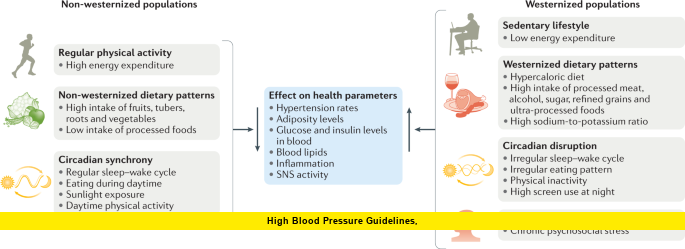
While medication plays a vital role, the guidelines stress that healthy living is the foundation of blood pressure control. The recommendations include:
- Sodium limit: Reduce daily intake to no more than 1,500 mg, a significant drop from the previous 2,300 mg cap.
- Alcohol: Avoid it entirely if you have high blood pressure.
- Diet: Follow a heart-healthy eating plan like the DASH diet, rich in fruits, vegetables, whole grains, and lean proteins.
- Physical activity: Engage in regular aerobic and strength-building exercise.
- Weight loss: Aim for at least a 5% reduction if you are overweight.
- Sleep and stress management: Address poor sleep quality and chronic stress, both of which can raise blood pressure.
These measures remain the first step for everyone diagnosed with hypertension and can often delay or even prevent the need for medication.
Brain Health Now a Priority
For the first time, the guidelines highlight the connection between blood pressure control and cognitive function. Studies have shown that keeping systolic blood pressure (the top number) below 130 mm Hg can help preserve memory, reduce the risk of dementia, and protect blood vessels in the brain.
This emphasis reflects a broader understanding of hypertension—not just as a cardiovascular issue, but as a condition that can impact overall quality of life in later years.
Pregnancy-Specific Recommendations
The new guidelines also bring important changes for pregnant individuals. Chronic hypertension during pregnancy is now treated earlier, at 140/90 mm Hg or higher, instead of waiting for more severe readings. This approach aims to prevent complications like preeclampsia, preterm birth, and low birth weight.
Post-pregnancy care is also addressed, with recommendations for ongoing monitoring, since women with high blood pressure during pregnancy are at greater risk for cardiovascular problems later in life.
New Treatment Options
Beyond lifestyle and traditional medication, the updated guidelines recognize several emerging therapies.
One is renal denervation, a minimally invasive procedure that uses radiofrequency or ultrasound energy to target overactive nerves in the kidney arteries—helping lower blood pressure when drugs alone aren’t enough.
Additionally, new types of blood pressure medications, including advanced combination pills and hormone-targeting drugs, are being acknowledged as promising tools for patients whose hypertension remains uncontrolled despite standard care.
Quick Comparison: 2017 vs. 2025
| Feature | 2017 Guidelines | 2025 Guidelines |
|---|---|---|
| Medication threshold | ≥140/90 mm Hg | ≥130/80 mm Hg after lifestyle trial |
| Sodium limit | ≤2,300 mg/day | ≤1,500 mg/day |
| Alcohol allowance | Moderate intake allowed | Avoid completely for hypertension management |
| Brain health | Not a focus | Strong emphasis |
| Pregnancy treatment threshold | Delayed treatment | Early treatment at ≥140/90 mm Hg |
| New therapies | Limited | Includes renal denervation, new drug classes |
Why These Changes Matter
These updates are designed to catch and treat high blood pressure before it silently damages the body. By lowering thresholds, tightening lifestyle recommendations, and expanding treatment options, the new approach could save thousands of lives each year.
Patients are encouraged to monitor their blood pressure regularly, discuss the updated targets with their healthcare provider, and take steps—both lifestyle and medical—toward achieving them.
High blood pressure is often called the “silent killer” for a reason—it may not cause symptoms until it’s already harming vital organs. These updated high blood pressure guidelines give individuals and healthcare professionals the tools to act sooner, protect heart and brain health, and reduce long-term risks.
How do you feel about the new lower thresholds—are they motivating or overwhelming? Share your thoughts and experiences below.