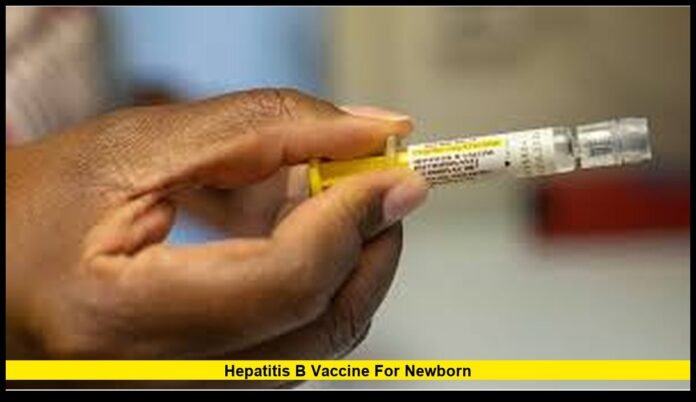

The hepatitis b vaccine for newborn has once again become a focal point of public health discussion in the United States. This week, a federal advisory committee convened to consider altering — or even reversing — long-standing guidance that recommends vaccinating every infant within 24 hours of birth. For parents expecting a child soon, or with a newborn in the hospital, understanding the background, risks, and what could change is more important than ever.
Why Newborns Received the Hepatitis B Vaccine to Begin With
Hepatitis B is a viral infection that attacks the liver. While many people who contract it as adults clear it naturally or receive treatment, infants who acquire the virus at or around birth often develop chronic infection. That chronic infection can last a lifetime, significantly raising the risk of cirrhosis, liver failure, and liver cancer.
Because of that high risk, starting in the early 1990s, U.S. public health authorities recommended giving the first dose of hepatitis B vaccine to every newborn — ideally within the first 24 hours after birth. That first dose begins a vaccine series that continues during infancy. Over decades, this universal-birth-dose strategy has dramatically reduced new hepatitis B infections among children and adolescents across the country, essentially eliminating perinatal transmission in many communities.
What the Vaccine Does — And Why It’s So Effective and Safe
The hepatitis B vaccine primes the baby’s immune system to defend against the virus by mimicking one of its surface proteins. From decades of research and monitoring, the vaccine has proven remarkably effective and safe when given at birth:
- When infants receive the first dose within 24 hours of birth, followed by the full vaccination series, protection against hepatitis B is nearly complete.
- Long-term studies show vaccinated individuals maintain strong immunity for decades — often for life.
- Adverse effects are rare. Most babies experience only mild and brief side effects, such as soreness or slight fussiness. Serious reactions are extremely uncommon.
- Starting vaccination immediately gives babies a vital “safety net.” Even if maternal testing during pregnancy missed an infection — or if a mother became infected late in pregnancy — the vaccine reduces the chance that an infant will become chronically infected.
Public-health experts consider universal newborn vaccination a major success: it helped reduce the burden of liver disease, cancer, and related deaths that might otherwise affect thousands over their lifetimes.
What’s Happening Now: Proposed Changes to Vaccine Policy
This week, the Advisory Committee on Immunization Practices (ACIP), the body responsible for recommending U.S. vaccine policy, is reviewing whether to change its guidance on administering hepatitis B vaccine to newborns. Under consideration is a proposal to limit the birth dose so that only babies born to mothers known to have hepatitis B would receive it. For other infants, vaccination could be delayed until they reach at least two months old — and possibly made optional, depending on parental choice and clinician judgment.
If adopted, this would represent a major shift from over 30 years of consistent policy. It would mean that instead of nearly universal newborn protection, the U.S. could move toward a more targeted, risk-based approach.
What Could Change — And What Might Stay the Same
Several outcomes are possible depending on the vote. Among them:
- The birth dose recommendation might be dropped for infants whose mothers test negative or whose status is unknown.
- For those infants, vaccination might be moved to a later age, for example around two months.
- Clinicians might begin to rely more heavily on maternal screening, documentation, and follow-up to decide which babies receive the birth dose and when.
- Other parts of the hepatitis B vaccine series — the follow-up dose at 1–2 months, and the final dose later in infancy — could remain unchanged.
At the same time, it’s important to note: nothing is final yet. The advisory committee is still deliberating; no official change has taken effect. Until then, most hospitals and pediatric providers are expected to continue current practices.
Why Experts Urge Caution Before Changing a Policy That Has Worked
Medical organizations and researchers continue to argue strongly in favor of newborn vaccination. Their concerns include:
- Maternal screening misses too many cases. Not all pregnant people receive timely hepatitis B testing. Some become infected late in pregnancy, or test results get lost, delayed, or miscommunicated. Relying solely on prenatal testing leaves infants vulnerable.
- Chronic hepatitis B acquired at birth can go undetected until much later. Babies often show no symptoms immediately. Without vaccination and regular screening, chronic infection may remain hidden for years — until liver damage, cirrhosis, or cancer develops.
- Decades of public health gains could be reversed. Experts warn that reducing newborn vaccination could lead to a resurgence of pediatric hepatitis B infections — and decades of preventable illness and death.
- Insurance and coverage uncertainty. Many private insurers base vaccine coverage on ACIP recommendations. If the advisory guidance changes, insurers might stop automatically covering the birth dose. That could make it harder for families to get timely vaccination.
- Erosion of trust and consistency in public health. A shifting policy could confuse parents and providers, reduce confidence in immunization programs, and contribute to unequal vaccine access across communities.
For many pediatricians, hepatologists, and public-health officials, the risks of weakening the newborn vaccination policy outweigh any perceived benefit.
What This Means for New and Expecting Parents Right Now
If you are expecting a baby, or have a newborn on the way, here’s what to know:
- As things stand today, most U.S. hospitals will continue to offer the birth dose of hepatitis B vaccine.
- You can and should ask your prenatal care provider whether hepatitis B testing has been completed, and request documentation of the result.
- When you arrive at the hospital to give birth, ask whether the facility routinely provides the hepatitis B vaccine in the newborn nursery or birth room, and at what time.
- If your baby receives the vaccine shortly after birth, it becomes the first step in a protective series.
- If your hospital delays or defers vaccination, ask about follow-up scheduling for the first dose, and ensure your pediatrician, family, or daycare keeps track.
- Understand that a decision delaying the vaccination may increase future risk — especially if any exposure to infected blood or bodily fluids occurs early in life.
Why Immunizing at Birth Has Been Crucial — Even for Mothers Who Test Negative
It might seem redundant to vaccinate a baby whose mother tested negative for hepatitis B. But that logic depends on several assumptions — that testing was done correctly, results were documented and shared, and that the mother remained uninfected throughout her pregnancy and after delivery. None of those assumptions are guaranteed.
Hepatitis B can spread through minute amounts of blood or bodily fluid — even from indirect contact. Because many people with chronic hepatitis B don’t know they are infected, it’s possible for infants to be exposed at home or in other settings later in childhood. Universal vaccination at birth gives every child a baseline layer of protection — regardless of parental risk or screening history.
Moreover, studies show that starting the vaccine at birth produces stronger long-lasting immunity than delayed vaccination. Waiting until later infancy or early childhood may reduce the vaccine’s preventive power, especially if a child is exposed before vaccination occurs.
What Could Happen If the Policy Changes
If the ACIP approves the proposed revisions:
- Many newborns might not receive their first hepatitis B vaccine dose until they are older, if at all.
- Because some parents may decline or delay vaccination, overall immunity in the population could drop. Over time, that could lead to more pediatric and adult cases of hepatitis B.
- The number of chronic hepatitis B cases — and subsequent liver disease and cancer — might increase, placing greater burden on families and the health care system.
- Insurance coverage for the birth dose might decline or become uncertain, making early vaccination less accessible for some families.
- Public confidence in immunization efforts could erode, complicating prevention of not just hepatitis B, but other diseases as well.
The Broader Context: What’s Changing in U.S. Vaccine Policy
The hepatitis B review is part of a broader reevaluation of childhood vaccination practices taking place under the leadership of new federal health officials. The advisory committee now includes members with skeptical views toward certain standard vaccines and vaccine schedules. Their agenda and forthcoming recommendations have raised concern among medical professionals, many of whom fear that long-term public health gains could be reversed. A potential shift in hepatitis B vaccination policy could signal broader changes in how newborns and children are protected against preventable diseases.
Key Questions for Parents to Ask Their Providers
As this policy debate unfolds, parents can stay informed and proactive. Consider asking your care provider:
- Was hepatitis B surface antigen testing completed during my pregnancy? Where is the documentation?
- Will the birth dose of hepatitis B vaccine be offered to my baby shortly after delivery?
- If the birth dose is delayed or deferred, when and how will vaccination be scheduled?
- What will happen if follow-up vaccination is missed?
- How will my child’s health be monitored for potential exposure to hepatitis B?
- If my baby was born abroad, or the delivery hospital has a different protocol, how can I ensure timely vaccination once we return home?
Having these answers before delivery will ensure you can make informed decisions and avoid missed opportunities for early protection.
Bottom Line for Families in 2025
The hepatitis b vaccine for newborn remains one of the most effective public-health tools in preventing a lifetime of liver disease. Its track record over more than three decades proves its safety, effectiveness, and importance — especially when administered within the first day of life.
But changing recommendations now could alter that protective safety net for many infants. Until any official decision is finalized — and until hospitals update their policies — the safest route remains to expect and request the newborn dose. Parents should remain vigilant, stay informed, and discuss vaccine plans with their obstetrician and pediatrician long before delivery.
For now, the existing system still stands: a strong, evidence-backed defense for the youngest among us, standing guard against hepatitis B from the very first hours of life.