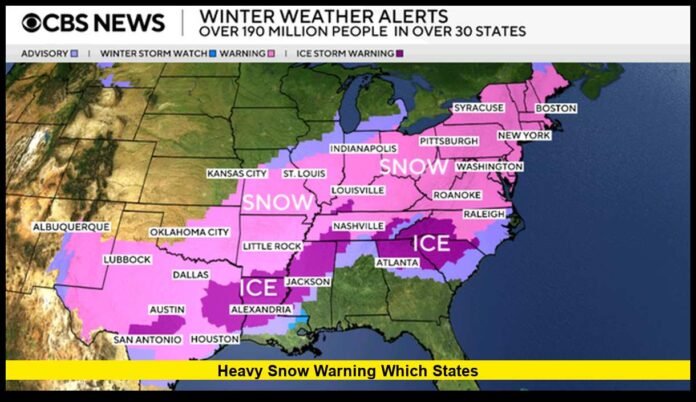

Heavy snow warning which states are currently affected is a pressing concern as late-season winter weather continues to impact parts of the United States on April 27, 2026. Verified updates show that several northern and mountainous regions remain under active heavy snow warnings, with conditions strong enough to disrupt travel and daily routines.
These alerts are concentrated in higher elevations and colder northern zones, where snowfall is still possible despite the spring season.
States Impacted by Heavy Snow Warnings Today
Current weather alerts indicate that heavy snow warnings are focused on specific regions within states, not entire statewide areas. The most affected locations include:
- Montana – Ongoing snowfall in mountainous regions
- Wyoming – Accumulation in western and central high elevations
- Colorado – Active snow in the Rocky Mountain corridors
- Idaho – Northern and elevated areas under warning
- Utah – Snowfall in higher terrain zones
- Minnesota (north) – Late-season snow impacting select counties
- North Dakota (parts) – Wind-driven snow creating visibility issues
Each warning targets areas where snow totals are expected to reach impactful levels within a short time.
Understanding a Heavy Snow Warning
A heavy snow warning is issued when significant snowfall is imminent or already occurring. This alert signals serious conditions that require immediate attention.
Typical warning criteria include:
- 6 inches or more within 12 hours, or
- 8 inches or more within 24 hours
- Blowing snow that reduces visibility
- Hazardous road conditions and travel disruptions
This level of alert indicates that normal activities could be affected, especially transportation.
Why Snow Is Still Occurring in Spring
Late-April snowfall is not unusual in parts of the U.S., especially in regions with higher elevations or northern latitude. Several weather factors contribute to ongoing snow events:
- Cold air continues to move down from Canada
- Pacific moisture fuels storm systems in western states
- Mountain regions retain freezing temperatures longer than lowlands
These elements combine to create conditions where snow can develop quickly, even this late in the season.
Regions Seeing the Strongest Impact
Rocky Mountains
The most intense snowfall is occurring across the Rockies. Areas in Montana, Idaho, and Colorado are seeing steady accumulation, especially in higher terrain.
Northern Plains
Northern Minnesota and parts of North Dakota are experiencing lighter snowfall, but strong winds are increasing its impact.
Intermountain West
Utah and Wyoming continue to see changing conditions, with snowfall intensifying during colder periods, particularly overnight.
Travel Disruptions and Daily Impact
Heavy snow warnings are already affecting transportation and infrastructure in several areas.
Major impacts include:
- Slick and snow-covered highways
- Temporary road closures in mountain passes
- Flight delays in nearby regional airports
- Slower commute times and local disruptions
Travel remains the biggest concern, especially in regions with ongoing snowfall and gusty winds.
Safety Steps to Take Immediately
Residents in affected areas should stay cautious and prepared. Snow conditions can worsen quickly.
Recommended actions:
- Delay travel unless necessary
- Carry emergency supplies in vehicles
- Keep devices charged in case of outages
- Monitor local alerts for updates
- Wear layered clothing to stay warm outdoors
Quick preparation can help reduce risks during severe weather.
How Long Will These Conditions Last?
Current forecasts show that most heavy snow events will be brief but intense. Many areas are expected to see improvement within 24 to 48 hours.
However, after snowfall ends:
- Snow may remain on the ground for several days in higher elevations
- Melting snow could lead to minor flooding
- Roads may stay icy, especially during early mornings
Weather conditions will continue to shift throughout the week.
Warning vs Advisory: What’s the Difference?
Understanding alert levels helps people respond appropriately.
- Winter Storm Watch – Possible severe weather ahead
- Winter Weather Advisory – Moderate snow with some impact
- Heavy Snow Warning – Severe snowfall already happening or expected soon
The current situation falls into the most serious category, requiring immediate awareness.
What to Expect Next
Warmer temperatures are expected to move into many affected regions soon. This change will gradually reduce snowfall activity.
Still, some risks will remain:
- Rapid snowmelt in lower areas
- Localized flooding in certain regions
- Continued hazardous driving conditions
Residents should stay alert even as conditions begin to improve.
Current Situation Overview
- Heavy snow warnings are active in several U.S. states
- Mountain regions face the highest snowfall risk
- Travel disruptions are ongoing in affected areas
- Conditions are expected to ease within the next two days
The situation remains active, with updates continuing as weather systems move across the country.
Stay informed and share what you’re seeing in your area to help others stay aware of changing conditions.