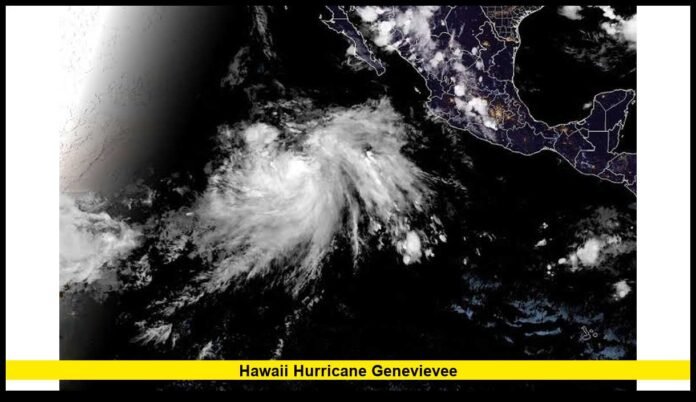

The development of hawaii hurricane genevieve has become one of the most searched weather topics as the Pacific hurricane season remains active. While Hurricane Genevieve has strengthened into a powerful tropical cyclone over the Eastern Pacific, the latest meteorological outlook indicates that it is expected to stay far from the Hawaiian Islands. Even so, weather officials continue to monitor conditions across the Central Pacific because tropical systems can influence ocean swells, marine conditions, and local weather patterns even when they remain hundreds or thousands of miles away. With hurricane season still underway, residents and visitors alike are keeping a close eye on official forecasts for any significant changes.
Key Points Summary
╔════════════════════════════════════════════════════════════════════╗
║ – Hurricane Genevieve rapidly intensified over the Eastern Pacific Ocean. ║
║ – Current forecast models keep the storm well away from the Hawaiian Islands. ║
║ – Hawaii faces no immediate threat from Genevieve based on the latest outlook. ║
║ – Forecasters continue monitoring other tropical systems moving across the Pacific. ║
║ – Ocean swells and rough surf remain possible even from distant hurricanes. ║
╚════════════════════════════════════════════════════════════════════╝
Hurricane Genevieve Strengthens Over the Eastern Pacific
Hurricane Genevieve has emerged as one of the stronger storms of the Eastern Pacific hurricane season after undergoing rapid intensification over exceptionally warm ocean waters. Favorable atmospheric conditions, including low wind shear and abundant tropical moisture, allowed the cyclone to organize quickly into a major hurricane.
Satellite imagery has shown a well-defined eye surrounded by intense thunderstorms, a classic sign of a mature hurricane. Meteorologists closely monitor storms that strengthen rapidly because they can sometimes become difficult to forecast if environmental conditions change unexpectedly.
Fortunately, despite its impressive strength, Genevieve remains over open waters and far from heavily populated land areas.
Is Hawaii in the Path of Hurricane Genevieve?
The latest forecast indicates that Hawaii is not in the projected path of Hurricane Genevieve.
Current weather models consistently show the hurricane tracking west-northwest across the Eastern Pacific while remaining well south of the Hawaiian Islands. As the storm moves farther west, it is expected to encounter cooler ocean temperatures and increasing wind shear, both of which typically weaken tropical cyclones.
Although forecast tracks can change over several days, there is currently no indication that Genevieve will make a direct approach toward Hawaii.
Weather experts caution that forecasts become less certain at longer time ranges, but confidence remains high that the hurricane will stay over open water.
Why Hawaii Is Still Monitoring the Situation
Even when hurricanes remain far away, Hawaii continues to monitor every significant tropical cyclone developing across the Pacific basin.
The Hawaiian Islands sit within the Central Pacific Hurricane Center’s area of responsibility, making continuous observation of storms essential throughout hurricane season. Distant hurricanes can generate powerful ocean swells that travel hundreds or even thousands of miles before reaching island coastlines.
These swells may increase surf heights, strengthen rip currents, and create hazardous conditions for swimmers, surfers, and boaters.
For that reason, emergency managers remain in close contact with meteorologists throughout the season.
Understanding the Difference Between the Eastern and Central Pacific
Many people assume every Pacific hurricane threatens Hawaii, but geography plays a major role in determining whether a storm becomes a concern.
The Eastern Pacific basin stretches westward from the coast of Mexico, while Hawaii lies much farther west within the Central Pacific.
Many hurricanes forming near Mexico weaken significantly before reaching Central Pacific waters. Cooler sea surface temperatures, drier air, and stronger upper-level winds often disrupt storm organization as hurricanes move westward.
Because of these natural atmospheric barriers, only a relatively small number of Eastern Pacific hurricanes survive long enough to approach Hawaii.
Could Genevieve Produce Any Indirect Effects?
Although the latest outlook keeps the hurricane well away from the islands, indirect effects are always considered during tropical cyclone monitoring.
Possible impacts from distant hurricanes include:
- Elevated surf along exposed coastlines
- Stronger rip currents
- Dangerous conditions for small boats
- Larger ocean swells
- Beach erosion in vulnerable locations
- Hazardous conditions for experienced and recreational surfers alike
The exact magnitude of these effects depends on the hurricane’s size, strength, forward speed, and final track.
At present, forecasters expect any indirect impacts from Genevieve to remain limited.
The Importance of Forecast Updates
Hurricane forecasting has improved dramatically over recent decades, thanks to advanced satellites, weather radar, aircraft reconnaissance, computer modeling, and improved ocean observations.
Even with these technological advances, hurricanes remain dynamic weather systems capable of changing intensity or direction.
Meteorologists continuously evaluate:
- Sea surface temperatures
- Atmospheric moisture
- Wind shear
- Steering currents
- Pressure patterns
- Tropical disturbances developing nearby
Each new set of observations helps refine forecast models and improves confidence in projected storm tracks.
Residents are encouraged to follow updated forecasts rather than relying on older reports circulating online or through social media.
Hawaii’s Hurricane Season Continues
The Central Pacific hurricane season typically extends through late autumn, with activity peaking during the warmest months of the year.
Although Hawaii experiences fewer hurricane landfalls than many coastal regions, the islands are not immune to tropical cyclones.
Historically, several hurricanes have passed close enough to produce:
- Heavy rainfall
- Damaging winds
- Coastal flooding
- High surf
- Power outages
- Landslides in mountainous terrain
Because tropical weather conditions can evolve quickly, preparedness remains important throughout the season regardless of the current forecast.
Emergency Preparedness Remains Essential
State and county emergency management agencies consistently remind residents that hurricane preparation should begin long before a storm approaches.
Basic emergency supplies often include:
- Drinking water for several days
- Non-perishable food
- Flashlights and batteries
- Portable phone chargers
- First-aid supplies
- Prescription medications
- Important personal documents
- Battery-powered radios
Families are also encouraged to review evacuation routes and discuss emergency communication plans before severe weather develops.
Being prepared reduces stress if conditions change unexpectedly.
Marine Conditions May Change
Ocean conditions often respond to tropical systems well before weather changes are noticed on land.
Even storms located far offshore can generate long-period swells capable of producing dangerous waves along Hawaiian shorelines.
Marine operators frequently monitor:
- Wave heights
- Swell direction
- Wind speed
- Harbor conditions
- Coastal currents
Beachgoers should always pay attention to posted warning signs and advice from local lifeguards before entering the water.
Air Travel and Tourism
Hawaii remains one of the world’s most popular travel destinations, leading many visitors to wonder whether Hurricane Genevieve could affect vacation plans.
At this stage, there are no widespread disruptions expected for commercial flights or tourism due to the hurricane.
Airlines routinely monitor tropical weather and adjust flight paths only when necessary to maintain passenger safety.
Hotels, resorts, cruise operators, and tour companies also work closely with weather officials during hurricane season to ensure guests receive timely information should conditions change.
Travelers should continue checking airline notifications and local weather forecasts before departure, but current conditions do not indicate significant impacts from Genevieve.
Climate and Pacific Tropical Activity
Scientists continue studying how long-term ocean warming influences hurricane behavior across the Pacific Ocean.
Warmer ocean temperatures can provide additional energy for developing tropical cyclones, increasing the potential for rapid intensification under favorable atmospheric conditions.
However, hurricane formation depends on several interacting factors beyond ocean temperatures alone, including upper-level winds, atmospheric stability, moisture availability, and broader climate patterns.
Each hurricane season develops differently, making continuous monitoring essential regardless of seasonal outlooks.
Latest Forecast Outlook
The latest projections continue to paint a reassuring picture for Hawaii.
Forecast guidance shows Hurricane Genevieve remaining well away from the Hawaiian Islands while gradually weakening over cooler waters farther west.
Weather experts will continue issuing updated advisories as the hurricane evolves, but no direct impacts to Hawaii are currently anticipated.
At the same time, meteorologists remain vigilant because additional tropical disturbances may develop elsewhere in the Pacific during the remainder of hurricane season.
Residents are encouraged to stay informed, particularly if they live in coastal communities where changing marine conditions can develop before noticeable weather changes occur inland.
What Residents Should Watch Going Forward
While Genevieve itself is expected to stay distant, Hawaii’s weather agencies will continue evaluating every tropical disturbance entering the Central Pacific.
Key factors to monitor include:
- Updated hurricane track forecasts
- Marine advisories
- High surf statements
- Rip current warnings
- Tropical outlooks for newly developing systems
- Local weather bulletins
Remaining informed through reliable weather updates allows residents and visitors to make informed decisions without unnecessary concern.
Final Thoughts
Although Hurricane Genevieve has become one of the strongest storms of the current Eastern Pacific season, the latest outlook shows no immediate danger to the Hawaiian Islands. Forecast models continue to keep the hurricane well offshore while expecting gradual weakening over the coming days. Even so, hurricane season is far from over, and weather officials will continue closely monitoring tropical activity across the Pacific. Staying prepared, following updated forecasts, and understanding changing marine conditions remain the best ways for Hawaii’s communities and visitors to navigate the remainder of the season.
Have questions about Pacific hurricane season or Hawaii’s latest weather outlook? Share your thoughts in the comments and check back for timely updates as conditions continue to evolve.