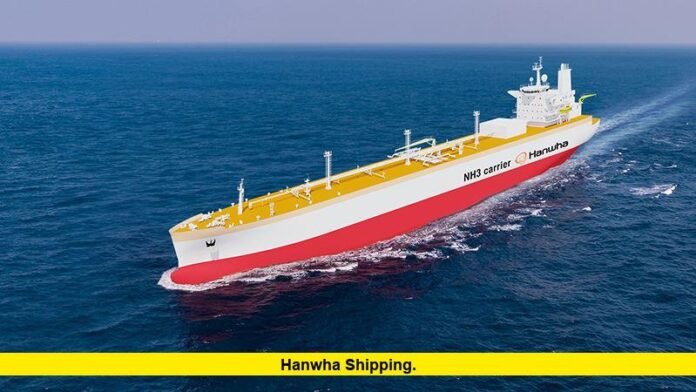

The rapid rise of hanwha shipping is reshaping America’s maritime industry, as the company accelerates investments in U.S.-built vessels and energy transport infrastructure. Backed by its parent company Hanwha Ocean, the Houston-based operation is positioning itself as a major force in revitalizing domestic shipbuilding while strengthening U.S. energy logistics.
Stay with us as we break down what this means for U.S. jobs, energy security, and the future of shipping.
Major Vessel Orders Signal Industry Shift
Hanwha Shipping has placed one of the largest commercial ship orders seen in the United States in decades. The company ordered 10 medium-range (MR) oil and chemical tankers, marking a historic expansion of the U.S. Jones Act fleet.
These vessels will transport crude oil, refined fuels, and chemical products between U.S. ports. The scale of the order stands out as the largest U.S. commercial shipbuilding contract in more than 20 years, signaling renewed confidence in domestic shipyards.
The first deliveries are expected to begin in 2029, highlighting a long-term commitment to rebuilding American maritime capacity.
LNG Carrier Push Strengthens Energy Exports
Beyond tankers, Hanwha Shipping is also investing heavily in liquefied natural gas transport. The company has ordered multiple LNG carriers, including what is considered the first U.S.-ordered LNG export vessel in nearly 50 years.
This move comes as U.S. LNG exports continue to grow, creating demand for American-built and U.S.-crewed ships. These carriers will play a direct role in transporting U.S. energy to global markets, reinforcing the country’s position in international energy trade.
The LNG vessels will be constructed using advanced propulsion systems and modern shipbuilding techniques, combining Korean engineering expertise with U.S. manufacturing.
Philadelphia Shipyard at the Center of Expansion
A key part of this strategy is Hanwha’s acquisition and expansion of the Philadelphia shipyard, now operating under its umbrella. The company is investing heavily in:
- Advanced shipbuilding technologies
- Workforce training programs
- Expanded production capacity
This effort is expected to create thousands of skilled manufacturing jobs in the United States. It also aims to transform the shipyard into a globally competitive hub capable of producing next-generation vessels.
The shipyard has already delivered a significant portion of large U.S. commercial ships over the past two decades, and Hanwha’s investment is set to elevate its role even further.
Boost to U.S. Maritime and Defense Supply Chains
The expansion of Hanwha Shipping goes beyond commercial transport. The new fleet will contribute to:
- Strengthening U.S. maritime logistics
- Supporting defense-related supply chains
- Increasing resilience in energy transportation
By adding modern vessels to the Jones Act fleet, the initiative enhances the ability of U.S. industries to move goods domestically and internationally.
This comes at a time when global shipping routes face increasing pressure from geopolitical tensions and supply chain disruptions.
Global Strategy With U.S. at the Core
Hanwha’s broader strategy includes expanding its presence across North America and forming international partnerships tied to shipbuilding and energy infrastructure.
Recent developments show the company exploring collaborations that extend into energy systems, shipyard modernization, and infrastructure projects. These efforts align with a wider push to position the U.S. as a key hub in global maritime and energy networks.
At the same time, Hanwha Ocean continues to secure high-value shipbuilding orders worldwide, reinforcing its technical leadership in LNG carriers and large-scale vessels.
Why This Matters for the U.S. Economy
The impact of Hanwha Shipping’s expansion is significant for several reasons:
Job Creation: Thousands of new jobs are expected in shipbuilding and related industries.
Industrial Revival: Large-scale vessel orders bring renewed activity to U.S. shipyards.
Energy Security: LNG carriers support reliable export capacity for American energy.
Global Competitiveness: Advanced shipbuilding technology helps the U.S. compete internationally.
This combination of economic and strategic benefits is drawing attention from policymakers and industry leaders alike.
What Comes Next
With vessel deliveries scheduled through the end of the decade, Hanwha Shipping’s expansion is just getting started. The company’s long-term investments suggest continued growth in:
- U.S.-built energy transport fleets
- Advanced shipbuilding capabilities
- Global shipping operations tied to American infrastructure
As demand for energy transport rises and supply chains evolve, Hanwha Shipping is positioning itself at the center of that transformation.
Want more updates like this? Follow along and share your thoughts on how this could reshape the future of U.S. shipping.