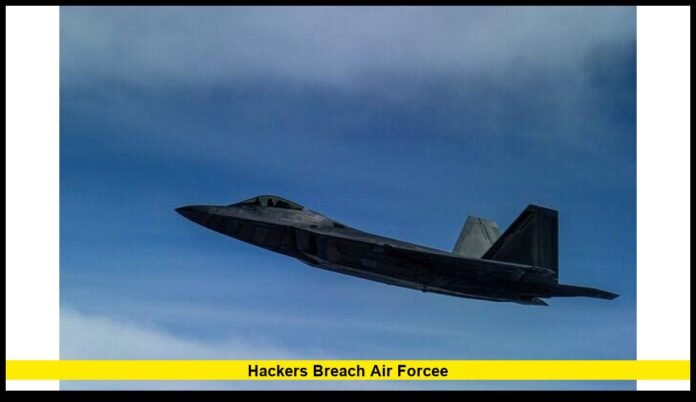

The reported incident involving hackers breach air force systems has raised serious concerns about the security of critical military technology after attackers allegedly infiltrated Cloud One, a major cloud computing environment used by the U.S. Air Force. The breach was reportedly discovered during upgrade-related work, prompting a security investigation, operational restrictions, and an assessment of whether sensitive military or administrative information may have been exposed.
Cloud One plays an important role in the Air Force’s digital modernization efforts, supporting a wide range of applications and services. The reported intrusion has therefore attracted attention not only because of the potential information involved, but also because of the possibility that a cyberattack against a shared cloud environment could affect multiple systems simultaneously.
Officials have not publicly established the identity of the attackers, confirmed the precise method used to enter the environment, or determined whether information was stolen. The investigation remains focused on understanding the intrusion, assessing the damage, and identifying the security measures necessary to prevent further unauthorized access.
Key Points Summary
╔════════════════════════════════════════════════════════════════════╗
║ – Hackers reportedly infiltrated Cloud One, a major cloud computing platform used by the U.S. Air Force. ║
║ – The intrusion was reportedly discovered during work connected to system upgrades. ║
║ – Cloud One supports applications involving personnel, payroll, logistics, maintenance, and other military functions. ║
║ – Security restrictions and operational disruptions have reportedly followed the discovery. ║
║ – U.S. Cyber Command has reportedly been involved in assessing the incident. ║
║ – Officials have not publicly confirmed the attackers’ identities or whether data was stolen. ║
╚════════════════════════════════════════════════════════════════════╝
How the Air Force Discovered the Cloud One Intrusion
The intrusion was reportedly identified within the past month while work was being conducted to upgrade the cloud platform. The timing is notable because system modernization projects often involve changes to software, configurations, permissions, and infrastructure, requiring teams to examine how different components interact.
The discovery appears to have triggered a broader security response. Rather than continuing planned upgrades and migrations as usual, officials reportedly placed certain activities on hold while the platform’s security situation was evaluated.
Investigators are attempting to establish several important details:
- How the attackers initially gained access
- Whether the intrusion involved a software vulnerability
- What level of access the attackers obtained
- Whether they reached additional systems or applications
- Whether sensitive information was accessed or copied
- Whether unauthorized access remains possible
- What corrective measures are needed before normal operations resume
The fact that the intrusion was identified during upgrade work also underscores the importance of security reviews during infrastructure modernization. Changes to complex technology environments can create opportunities to detect unusual activity, but they can also require additional monitoring and careful access management.
Why Access to the Cloud Control Plane Raises Concerns
One of the most concerning aspects of the reported breach is the possibility that attackers reached Cloud One’s control plane.
A cloud control plane is the management layer that allows administrators and authorized users to oversee cloud resources. Depending on the permissions available, this layer may allow users to manage applications, infrastructure, configurations, access policies, and other cloud services.
If attackers gain unauthorized control-plane access, the consequences could be more serious than compromising an isolated application. The potential impact depends on the privileges obtained, security controls in place, and whether the attackers were able to move into other areas of the environment.
In the Cloud One incident, one source reportedly described access to the control plane as potentially allowing visibility into certain operational information, including the status of military aircraft or movements involving spare parts.
There is no public confirmation that the hackers accessed aircraft-status information, tracked spare parts, or reached specific operational applications. These possibilities illustrate why investigators are treating the incident seriously, but they should not be interpreted as established outcomes.
Military Applications Potentially Connected to Cloud One
Cloud One was developed to provide a consolidated cloud environment for Air Force technology needs. Its role extends beyond basic office applications, with the platform supporting systems involved in administrative, logistical, and operational functions.
Personnel and Payroll Applications
The environment supports applications that help manage personnel information and pay-related functions. These services are essential to the administrative operation of a large military organization.
A disruption to personnel or payroll applications could create inconvenience, delays, or administrative complications for military employees. Unauthorized access could also create privacy and security concerns if sensitive information were exposed.
However, investigators have not confirmed that personnel records or payroll data were stolen during the reported intrusion.
Logistics and Maintenance Systems
Military logistics involves coordinating equipment, parts, supplies, maintenance schedules, and resources across numerous locations. Cloud-based systems can help personnel access information and coordinate activities more efficiently.
The Air Force relies on complex logistics networks to maintain aircraft, equipment, and other resources. An incident affecting digital systems supporting these functions could potentially complicate routine administrative processes or disrupt information access.
The investigation has not established that logistics or maintenance information was compromised.
Cloud-Based Command and Control
Cloud One reportedly supports the Air Force’s Cloud-Based Command and Control system, which brings together radar and other data feeds used for air-defense-related functions across North America.
Systems that consolidate information from multiple sources can provide important situational awareness. Because of their potential operational sensitivity, security teams must carefully evaluate whether an intrusion could have reached applications handling such information.
There has been no public confirmation that the attackers accessed this system.
Theater Integrated Combat Munitions System
Another application reportedly associated with Cloud One is the Theater Integrated Combat Munitions System, which tracks bombs and missiles across more than 200 U.S. Air Force locations worldwide.
The system’s role highlights the breadth of the cloud environment and the importance of protecting applications involved in equipment and munitions management.
Although the platform’s presence within the broader Cloud One environment increases the significance of the investigation, officials have not said that the system was directly compromised.
Air Force Pauses Cloud Migrations and Application Updates
The discovery of the intrusion has reportedly led to several changes in how Cloud One is being managed.
Efforts to move additional back-office applications into the cloud environment have been paused. The migration of legacy systems to modern cloud infrastructure has been a longstanding military technology priority, but security concerns can require projects to be temporarily suspended.
The pause may slow modernization efforts as personnel evaluate whether the environment is safe for additional applications to be introduced.
Updates to applications already running on Cloud One have also reportedly been blocked. This creates a complicated cybersecurity situation because organizations normally need to install software updates and security fixes to address vulnerabilities.
In this case, security teams must balance the need to contain a possible intrusion with the need to keep systems protected against newly discovered software flaws.
Some users have reportedly had their administrator privileges revoked. Restricting elevated permissions can be an important containment measure because it reduces the number of accounts capable of making significant changes to cloud resources.
These restrictions may remain in place until investigators and security personnel have greater confidence in the platform’s security.
U.S. Cyber Command Assesses the Damage
U.S. Cyber Command has reportedly been brought into the investigation to help evaluate the intrusion and determine the extent of the damage.
The command is responsible for military cyber operations and plays a major role in protecting U.S. military networks against cyber threats. Its involvement highlights the seriousness of the reported incident, although it does not necessarily indicate that the breach affected classified operational systems.
A comprehensive assessment could examine network activity, access logs, system configurations, security alerts, and other evidence that may help reconstruct what happened.
Investigators may also evaluate whether attackers attempted to establish persistent access, whether credentials were compromised, or whether additional systems were exposed.
The Air Force has declined to discuss the security posture or operational status of specific networks and systems. The service has said it continuously takes measures to protect its information, systems, and mission capabilities.
Who Is Responsible for the Air Force Cloud One Hack?
The identity of the hackers remains unknown.
Investigators have not publicly attributed the breach to a particular criminal organization, foreign government, cyber-espionage group, or individual. Attribution can be difficult in cyber investigations because attackers may conceal their identities, use compromised infrastructure, or employ techniques designed to mislead investigators.
A successful intrusion into a military cloud platform does not automatically establish that a foreign government was responsible. Cyberattacks can be carried out by a wide range of actors with different objectives, including espionage, financial gain, disruption, or intelligence collection.
Authorities will need to examine technical evidence before drawing conclusions about who conducted the attack and why.
Until that information becomes available, speculation about the identity of the attackers should be treated cautiously.
The Breach Adds to U.S. Government Cybersecurity Concerns
The Cloud One incident comes amid a period of heightened concern about cyberattacks involving U.S. government organizations.
Several other cybersecurity incidents have recently been reported involving federal agencies and government-related information systems. These incidents have raised questions about the ability of agencies to protect sensitive data while operating increasingly interconnected digital infrastructure.
Government networks often depend on a combination of internal systems, commercial technology providers, contractors, software platforms, and cloud services. This creates a large digital environment that must be protected across multiple layers.
The security of one system may depend on the protection of another. Access permissions, software updates, network connections, third-party services, and administrative accounts all play a role in determining whether attackers can move through an environment.
The reported Cloud One breach illustrates why federal cybersecurity teams increasingly focus on securing entire technology ecosystems rather than only individual applications.
Why Cloud Security Is Critical for Military Modernization
The Air Force has invested in cloud computing to improve its ability to modernize technology, manage information, and support applications across a large organization. Cloud infrastructure can provide flexibility, faster development, improved resource management, and access to advanced computing capabilities.
But modernization also introduces new security challenges.
Cloud environments require organizations to maintain strong identity controls, manage administrator privileges, monitor unusual activity, protect software interfaces, and regularly review configurations. A single security weakness can potentially create a pathway into systems that are connected to a larger infrastructure.
The hackers breach air force incident is a reminder that even major military technology platforms must continuously adapt to evolving cyber threats. Cloud services are not automatically secure simply because they are operated by major technology companies or used by government organizations.
Security depends on how systems are configured, monitored, maintained, and protected—and how quickly organizations respond when suspicious activity is detected.
Could the Air Force Cloud One Breach Affect Military Readiness?
The potential impact on military readiness remains one of the questions surrounding the incident.
Military readiness depends on personnel, equipment, logistics, communications, maintenance, and the ability to access reliable information when it is needed. Digital platforms increasingly support these functions, meaning cybersecurity problems can potentially create operational challenges even when physical equipment is not directly affected.
A cyber intrusion could potentially lead to information-access disruptions, administrative delays, additional security procedures, or temporary restrictions on applications.
However, there is currently no public confirmation that the reported breach has caused a direct impact on aircraft operations, military missions, or combat readiness.
The reported disruptions involving software updates, cloud migrations, and administrator permissions demonstrate that cybersecurity containment can affect normal technology operations. The investigation will help determine whether these restrictions are temporary and what additional measures are necessary.
What Happens Next?
The next stage of the investigation will likely focus on determining the scope of the intrusion and restoring confidence in the affected environment.
Potential priorities include:
- Identifying the vulnerability or access method involved
- Determining which cloud resources were affected
- Reviewing administrator accounts and permissions
- Investigating possible unauthorized data access
- Checking for evidence of data theft or continued attacker access
- Strengthening security monitoring and defensive controls
- Evaluating when paused applications and migrations can resume
The Air Force may need to maintain certain operational restrictions while security personnel complete their assessments. Any decision to restore normal operations will depend on the findings of the investigation and the effectiveness of corrective measures.
Air Force Cloud One Breach: What Is Known So Far
The reported Cloud One cyberattack represents a significant cybersecurity concern because the platform supports a broad range of Air Force applications and digital services.
The intrusion was reportedly discovered during upgrade-related work, and the resulting response has disrupted certain operations. Investigators are assessing the damage, while the reported involvement of U.S. Cyber Command signals that the incident is receiving serious attention.
Nevertheless, several critical details remain unconfirmed. Authorities have not publicly identified the hackers, disclosed the specific vulnerability allegedly exploited, established the full scope of the compromise, or confirmed that sensitive information was stolen.
The incident highlights the growing importance of protecting military cloud infrastructure as the U.S. Air Force continues its digital modernization efforts. The investigation’s findings could provide further insight into the attack and the security measures being implemented to protect the platform.
Stay tuned for the latest developments in the Cloud One cyberattack, and share your thoughts in the comments about the growing threat of hackers targeting U.S. military technology.