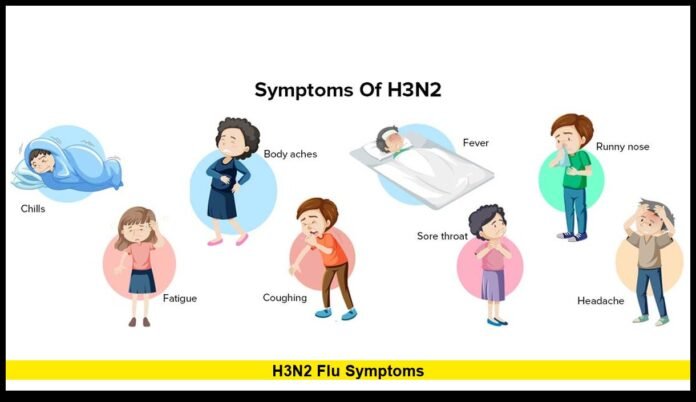

H3N2 FLU SYMPTOMS are a major health concern across the United States as influenza activity intensifies during the current flu season. This strain of influenza A has repeatedly been associated with stronger illness, longer recovery periods, and higher rates of complications compared with many other flu types. As more Americans experience infection, understanding how these symptoms develop, how they progress, and how they differ from common colds or other respiratory illnesses has become increasingly important.
Unlike mild viral infections that fade quickly, H3N2 often causes abrupt and overwhelming illness. Many patients report feeling severely unwell within hours of symptom onset, disrupting work, school, and daily life. This article provides a detailed, symptom-focused explanation designed to help readers recognize H3N2 flu symptoms early and respond appropriately.
Understanding the H3N2 Influenza Virus
H3N2 is a subtype of influenza A that has circulated for decades. What makes it especially challenging is its ability to change frequently. These changes allow the virus to partially evade immune defenses, even in people who have had influenza before. Because of this, infections can feel more severe and unfamiliar, even to otherwise healthy adults.
Another defining feature of H3N2 is its tendency to cause stronger inflammatory responses in the body. This heightened immune reaction contributes to higher fevers, intense body aches, and extreme fatigue. For some individuals, these symptoms last longer than expected, extending well beyond the initial illness period.
How H3N2 FLU SYMPTOMS Begin
The onset of H3N2 flu symptoms is usually sudden and unmistakable. Many people can recall the exact moment they began feeling ill. Unlike respiratory infections that start with mild throat irritation or congestion, H3N2 typically strikes hard and fast.
Early symptoms often include a rapid rise in body temperature, accompanied by chills and muscle pain. Within a short time, fatigue sets in, making even simple activities feel exhausting. This sudden progression is one of the most reliable indicators that the illness is influenza rather than a minor viral infection.
Fever as a Central Symptom
Fever is one of the most prominent H3N2 flu symptoms. Body temperatures often exceed 101°F and may remain elevated for several days. In some cases, fever fluctuates throughout the day, temporarily improving before rising again.
High fever can lead to dehydration, headaches, and general discomfort. In children, fever may reach higher levels and persist longer than in adults. For older adults, fever may be less pronounced but still signals serious illness when combined with weakness or confusion.
Chills and Temperature Instability
Alongside fever, chills are common and can be intense. People frequently describe waves of shivering that occur even in warm environments. These chills are a result of the body’s attempt to regulate temperature while fighting infection.
Temperature instability can continue for days, with patients alternating between feeling overheated and excessively cold. This pattern often disrupts sleep and contributes to overall exhaustion.
Severe Fatigue and Physical Weakness
One of the most debilitating H3N2 flu symptoms is extreme fatigue. This fatigue goes far beyond normal tiredness and can make it difficult to stand, walk, or concentrate.
Muscle weakness may accompany fatigue, leading to a heavy or drained feeling throughout the body. Many patients report needing extended periods of rest and sleep, sometimes sleeping most of the day during the acute phase of illness.
Even after other symptoms improve, fatigue may linger, making it difficult to return to normal routines quickly.
Muscle and Joint Pain Throughout the Body
Muscle aches are a defining feature of H3N2 infection. Pain is often widespread and can affect large muscle groups as well as joints. Commonly affected areas include the lower back, thighs, shoulders, and neck.
This pain can feel deep and persistent, worsening with movement. Joint stiffness may be noticeable, especially after periods of rest. For individuals with pre-existing joint conditions, discomfort may be more pronounced.
Headaches and Pressure Sensations
Headaches are frequently reported and can be severe. Many people experience pressure behind the eyes or across the forehead. These headaches may worsen with light exposure, movement, or dehydration.
In some cases, headaches persist even after fever subsides. Adequate hydration and rest play an important role in symptom relief.
Cough and Lower Respiratory Symptoms
Cough is one of the most persistent H3N2 flu symptoms. It often begins as a dry cough and may later become productive. Coughing fits can be frequent and disruptive, especially at night.
Chest tightness or discomfort may accompany coughing. Some individuals experience shortness of breath during physical activity, even with mild exertion. This symptom should be monitored closely, as worsening breathing difficulty may indicate complications.
Sore Throat and Upper Respiratory Discomfort
Sore throat commonly appears early in the illness. It may be accompanied by hoarseness, difficulty swallowing, or irritation that worsens with coughing.
Nasal congestion and runny nose can also occur, though these symptoms are often less prominent than in colds. When present, congestion may contribute to sinus pressure and facial pain.
Digestive Symptoms and Appetite Changes
Although influenza is primarily a respiratory illness, H3N2 can affect the digestive system. Nausea, vomiting, and diarrhea are more common in children but can occur in adults as well.
Loss of appetite is widespread. Many patients struggle to eat regular meals during the illness. Maintaining hydration becomes especially important when digestive symptoms are present.
Symptoms in Children
Children often experience more intense H3N2 flu symptoms than adults. High fever, vomiting, and extreme fatigue are common. Younger children may become irritable or unusually sleepy.
Because children can dehydrate quickly, monitoring fluid intake is critical. Reduced urination, dry mouth, or absence of tears when crying may signal dehydration and require medical attention.
Symptoms in Older Adults
Older adults may not always show classic flu symptoms. Instead of high fever, they may experience weakness, dizziness, or confusion. A sudden decline in physical or cognitive function can be an early warning sign of serious illness.
These atypical symptoms can delay diagnosis, increasing the risk of complications. Caregivers should pay close attention to changes in behavior or alertness.
Progression and Duration of Illness
H3N2 flu symptoms typically last between seven and ten days. The most severe symptoms usually occur during the first three to five days.
As fever subsides, cough and fatigue often remain. Full recovery may take several weeks, particularly in older adults or those with underlying health conditions.
Warning Signs of Severe Illness
Certain symptoms indicate that H3N2 infection may be becoming dangerous. These include difficulty breathing, chest pain, persistent confusion, bluish lips or skin, and inability to stay awake.
A return of fever after initial improvement can signal a secondary infection. Prompt medical evaluation is essential when these warning signs appear.
Potential Complications
H3N2 has been linked to higher rates of complications than many other flu strains. Pneumonia is one of the most serious risks, especially for older adults and those with chronic conditions.
Other complications may include bronchitis, sinus infections, ear infections, and worsening of existing heart or lung disease. Early symptom recognition can reduce the risk of these outcomes.
Why H3N2 FLU SYMPTOMS Feel More Severe
Several factors contribute to the intensity of symptoms. Viral changes can reduce immune recognition, while lower population immunity increases susceptibility. Delayed rest and continued activity during early illness can also worsen symptoms.
The combination of these factors results in stronger and longer-lasting illness for many people.
Managing Symptoms During Recovery
Rest is essential for recovery. Pushing through illness often prolongs symptoms and delays healing. Staying hydrated supports the body’s immune response and helps regulate temperature.
Gradual return to normal activity is recommended once symptoms improve. Overexertion too soon can trigger relapse or prolonged fatigue.
Preventing Spread to Others
People with H3N2 are contagious before symptoms appear and remain so for several days. Staying home while sick helps protect vulnerable populations.
Covering coughs, washing hands frequently, and avoiding close contact reduce transmission within households and communities.
Long-Lasting Effects After Infection
Some individuals experience lingering symptoms after recovery. These may include reduced stamina, persistent cough, or difficulty concentrating.
These effects usually resolve with time, but rest and patience are important during this phase.
Why Awareness of H3N2 FLU SYMPTOMS Is Essential
Recognizing symptoms early allows individuals to take action before complications develop. Awareness also helps reduce spread and protects those at higher risk.
Knowledge empowers people to make informed decisions about care, rest, and isolation.
H3N2 FLU SYMPTOMS continue to impact communities across the United States, making awareness and early recognition more important than ever. If you have experienced this illness or are currently recovering, stay informed and share your experience to help others navigate this challenging flu season.