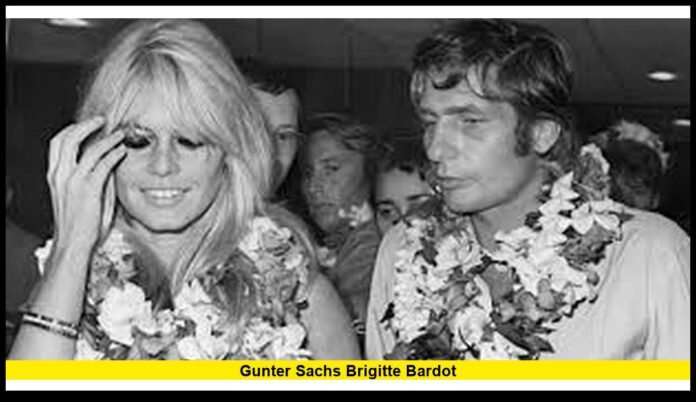

Gunter Sachs Brigitte Bardot stands as one of the most unforgettable celebrity pairings in modern cultural history, blending European aristocracy with cinematic stardom at a moment when fame itself was being reshaped. With the confirmed death of Brigitte Bardot in December 2025 at age 91, renewed attention has turned to her life story, including her short but influential marriage to German industrial heir Gunter Sachs. Their union remains a powerful symbol of 1960s glamour, media fascination, and the rise of international celebrity culture.
This article presents a complete, factual account of their relationship, individual legacies, and why their story continues to matter today.
Brigitte Bardot’s Rise Before the Marriage
Brigitte Bardot entered public life at a young age and rapidly became a defining face of post-war cinema. By the mid-1950s, she was already reshaping how women were portrayed on screen. Her performances projected freedom, sensuality, and emotional complexity at a time when such portrayals were rare.
Her influence went beyond film. Bardot changed fashion trends, hairstyles, and beauty standards across Europe and the United States. By the early 1960s, she was not simply a movie star — she was a global cultural force whose private life drew nearly as much attention as her professional work.
Gunter Sachs: Wealth, Art, and Social Power
Gunter Sachs was born into extraordinary privilege, inheriting wealth connected to one of Germany’s most successful industrial dynasties. Unlike many heirs of his era, Sachs pursued artistic and intellectual interests rather than corporate leadership.
He became known for:
- His presence in elite European social circles
- His passion for photography and visual art
- His role as a collector and cultural patron
Sachs cultivated a public identity that blended wealth with creativity, making him a natural figure in the jet-set world that intersected with cinema, fashion, and fine art.
How Their Worlds Collided
When Gunter Sachs and Brigitte Bardot met in the mid-1960s, their connection immediately attracted public fascination. Both were already international figures, yet together they formed something larger than the sum of their individual fame.
Sachs pursued Bardot boldly, using grand romantic gestures that reflected the theatrical nature of the era. Their courtship quickly became public knowledge, and media coverage intensified as the relationship developed.
Their pairing symbolized a new kind of celebrity relationship — global, visually dramatic, and constantly followed by photographers and reporters.
A Wedding That Captured International Attention
In July 1966, Gunter Sachs and Brigitte Bardot married in Las Vegas. The date, July 14, added symbolic weight, coinciding with France’s national holiday.
The wedding generated worldwide headlines. Images of the couple circulated rapidly across international publications, reinforcing their status as icons of glamour and excess. For many observers, the marriage represented the height of 1960s celebrity culture, where wealth, fame, and media attention merged seamlessly.
Life Inside a Media Storm
During their marriage, the couple lived under relentless observation. Every appearance, vacation, and social engagement became newsworthy. They were photographed at exclusive resorts, private gatherings, and international events.
Despite the glamorous image, the reality of their life together was complex. Bardot often expressed discomfort with constant attention, while Sachs thrived within elite social environments. Their contrasting temperaments contributed to growing strain within the relationship.
The marriage produced no children, and both partners remained intensely independent personalities.
The End of the Marriage
After just over three years, the marriage ended in divorce in 1969. While brief, the relationship left a lasting imprint on public memory.
Their separation did not diminish public interest. Instead, it solidified Gunter Sachs Brigitte Bardot as a cultural reference point — a symbol of an era defined by freedom, excess, and shifting values.
Gunter Sachs After Bardot
Following the divorce, Sachs continued to live a highly visible life. He remarried and remained deeply engaged in art and intellectual pursuits.
His photography gained recognition, and his art collection grew in importance. Sachs also played a role in preserving visual representations of 1960s culture, including portraits and creative projects linked to Bardot’s image.
In later years, Sachs faced serious health challenges. In 2011, he died at the age of 78. His death marked the conclusion of a life shaped by privilege, creativity, and public intrigue.
Brigitte Bardot’s Turning Point
Bardot’s life after Sachs followed a dramatically different path. Although she continued acting briefly, she retired from cinema in 1973 at the height of her fame.
Her decision shocked fans but reflected her growing discomfort with the film industry and celebrity culture. Bardot redirected her energy toward animal protection, a cause that would define the remainder of her life.
The Brigitte Bardot Foundation
In 1986, Bardot established the Brigitte Bardot Foundation, marking a permanent shift from entertainment to activism. The organization focused on:
- Preventing animal cruelty
- Campaigning against inhumane hunting practices
- Advocating for animal welfare laws
- Supporting sanctuaries and rescue operations
Bardot invested her own money, time, and reputation into the cause. She remained actively involved for decades, often speaking forcefully on issues she believed demanded attention.
A Public Figure Who Divided Opinion
While widely admired for her activism, Bardot also became controversial due to her outspoken views on social and political topics. Her comments led to legal consequences and public criticism, particularly in France.
These controversies complicated her legacy, creating a public image that combined compassion for animals with polarizing rhetoric on human society. Even so, her influence remained undeniable.
Final Years and Passing in 2025
In her later years, Bardot lived quietly in southern France, largely removed from public appearances. She remained closely connected to her foundation and continued to comment on animal welfare issues when she felt compelled to speak.
In December 2025, Brigitte Bardot died at age 91. Her death triggered global reflection on her life, from her groundbreaking film career to her decades of activism.
Tributes highlighted her role in shaping modern celebrity culture and her willingness to abandon fame for personal conviction.
Why Gunter Sachs Brigitte Bardot Still Matters
The story of Gunter Sachs Brigitte Bardot continues to resonate because it captures a transformative moment in cultural history. Their marriage illustrated how celebrity evolved into a global phenomenon driven by image, media, and spectacle.
Their lives also reveal contrasting responses to fame:
- Sachs embraced the social world shaped by wealth and art
- Bardot ultimately rejected celebrity in favor of activism and solitude
Together, they represent the tension between public fascination and private identity.
Cultural and Historical Impact
Their relationship influenced:
- How celebrity marriages were covered by media
- The merging of art, cinema, and high society
- The perception of fame as both opportunity and burden
Even decades later, references to their marriage appear in discussions of fashion, film history, and cultural studies.
A Lasting Place in History
Although their marriage was brief, its symbolism endured. Gunter Sachs and Brigitte Bardot remain inseparable in public memory, representing an era when celebrity first became truly global.
Their story continues to attract attention because it reflects universal themes — love, independence, ambition, and the cost of living in the public eye.
Timeline of Key Moments
- 1966: Gunter Sachs and Brigitte Bardot marry in Las Vegas on July 14, a date that coincided with France’s Bastille Day. The wedding instantly became a global media event, symbolizing the height of 1960s celebrity culture and uniting European high society with international film stardom.
- 1969: The marriage ends in divorce after three years. Although short-lived, the relationship left a lasting cultural imprint, frequently referenced as one of the defining celebrity unions of the era. Both Sachs and Bardot moved forward on markedly different personal paths.
- 1973: Bardot retires from acting at the peak of her fame. Her decision shocked the entertainment world, as she stepped away from cinema entirely to escape public pressure and redirect her life toward personal convictions, marking one of the most notable early retirements in film history.
- 1986: The Brigitte Bardot Foundation is established, formalizing her full transition from screen icon to full-time animal rights advocate. The foundation grew into a major international voice on animal welfare, shaping debates and policies across multiple countries for decades.
- 2011: Gunter Sachs dies at age 78 following prolonged health struggles. His death renewed interest in his artistic work, photography, and cultural influence, as well as his role in shaping the visual legacy of 1960s high society and celebrity life.
- 2025: Brigitte Bardot dies at age 91, prompting worldwide reflection on her complex legacy. Tributes highlighted her revolutionary impact on cinema, her decades-long commitment to animal protection, and her enduring influence on global culture. Her passing reignited public discussion about her life choices, her marriage to Sachs, and her lasting place in modern history.
The story of Gunter Sachs Brigitte Bardot remains one of the most compelling chapters in modern celebrity history, and its influence continues to spark discussion across generations.