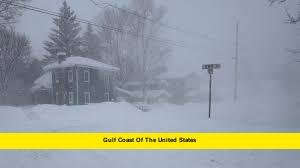

The gulf coast of the united states is experiencing an unusual convergence of severe winter weather, operational pressure on critical energy infrastructure, and changing patterns in marine and recreational activity as 2026 begins. A powerful Arctic air mass has pushed far into the southern states, delivering freezing temperatures, ice, and hazardous conditions to a region more accustomed to mild winters. From coastal Texas through Louisiana, Mississippi, Alabama, and Florida, communities are responding to a mix of weather disruption, economic ripple effects, and the ongoing need for resilience along one of the nation’s most strategically important coastlines.
A Winter Pattern Rarely Seen Along the Southern Coast
The current cold outbreak has driven temperatures well below seasonal norms, bringing overnight freezes to areas where such conditions are infrequent and often disruptive. Coastal cities have reported icy bridges, frozen road surfaces, and intermittent snowfall or sleet, while inland areas have experienced prolonged periods of subfreezing air.
Emergency managers have emphasized that cold of this intensity can be as dangerous as hurricanes when infrastructure and housing are not designed for extended freezes. Water systems, power lines, and transportation networks face higher risk, and the combination of cold air with strong winds has created wind chill values that pose health threats, particularly for outdoor workers and vulnerable populations.
Transportation and Daily Life Disrupted
Airports across the region have dealt with delays and cancellations as ice and low visibility affected operations. De-icing procedures, runway inspections, and aircraft repositioning have slowed travel, with ripple effects felt across national flight networks.
On the ground, state transportation departments have deployed salt and sand on major highways and elevated roadways. Coastal bridges, which are especially prone to freezing, have been closely monitored. In some areas, school districts and public offices have adjusted schedules to reduce travel during the coldest periods.
Public transit agencies have also faced challenges, as rail switches and bus systems must operate under conditions they rarely encounter. These disruptions highlight how even short-lived winter extremes can strain systems built primarily for heat, humidity, and hurricane resilience.
Energy Infrastructure Under Cold Stress
The Gulf Coast is home to one of the largest concentrations of refineries, chemical plants, and energy terminals in the world. These facilities are engineered for high temperatures and heavy rainfall, but prolonged freezing conditions can affect valves, pumps, and instrumentation.
Operators have taken precautionary measures, including reducing throughput, initiating controlled flaring, and temporarily idling sensitive units to prevent equipment damage. Maintenance crews have worked around the clock to insulate exposed components and ensure safe operations.
Any slowdown in refining or petrochemical output can influence fuel supply chains and pricing, especially during periods of high heating demand. Natural gas consumption typically rises during cold spells, increasing the importance of reliable pipeline and storage operations across the region.
Power Demand and Grid Resilience
Electric utilities have reported elevated demand as households and businesses rely more heavily on heating systems. In areas where ice accumulation or high winds have damaged lines, repair crews have been dispatched despite challenging conditions.
The event has renewed attention on grid resilience in coastal states, where planning has traditionally focused on hurricane hardening rather than winterization. Investments in weather-resistant equipment, diversified generation sources, and improved interconnections are increasingly viewed as essential for managing a wider range of climate extremes.
Marine Conditions and Offshore Operations
Cold fronts sweeping across the Gulf have generated strong northerly winds and rapidly building seas. Offshore platforms, shipping lanes, and fishing vessels have had to contend with rough water, reduced visibility, and shifting currents.
Port authorities have issued advisories to mariners, and some smaller craft have remained in harbor during the most hazardous periods. For large commercial vessels, scheduling adjustments and speed restrictions have been implemented to ensure safe navigation through choppy conditions.
These marine weather patterns also influence sediment movement and coastal currents, factors that can affect navigation channels, beach erosion, and nearshore ecosystems.
Winter Fishing and Coastal Recreation
Despite the cold, recreational and commercial fishing continues where conditions allow. Cooler water temperatures often bring certain species into shallower areas, creating opportunities for anglers targeting redfish, speckled trout, sheepshead, and other winter-active species.
Charter operators report that success during cold months depends heavily on timing around weather windows, tidal cycles, and water clarity. Calm periods between fronts can offer productive outings, while sudden wind shifts and falling temperatures require rapid adjustments.
Beachgoers and coastal visitors have been fewer than during warmer seasons, but local tourism economies remain active through birdwatching, boating, and seasonal festivals, all adapted to cooler conditions.
Economic Effects Across Coastal Communities
The combination of weather disruption and energy-sector adjustments has short-term economic implications. Delayed shipments, reduced industrial output, and temporary closures can affect local employment and revenue. At the same time, demand for heating, equipment repair, and emergency services increases, creating a complex pattern of losses and gains.
Ports along the Gulf Coast, which handle a significant share of U.S. exports and imports, continue to operate with heightened caution. Maintaining the flow of energy products, agricultural goods, and manufactured materials is critical to both regional and national economies.
Public Safety and Community Support
Local governments have activated cold-weather response plans, opening warming centers and coordinating with health agencies to assist residents without adequate heating. Outreach efforts have focused on preventing cold-related illnesses, ensuring safe use of space heaters, and avoiding carbon monoxide exposure.
Community organizations and volunteers have played a role in checking on older adults, distributing blankets, and providing temporary shelter. These actions reflect a broader culture of preparedness shaped by decades of experience with natural hazards, even when the specific threat is uncommon.
Environmental Considerations Along the Coast
Cold snaps can affect coastal ecosystems in several ways. Sudden drops in water temperature may stress fish and invertebrates, occasionally leading to localized cold-stun events. Wetlands and estuaries, which act as nurseries for many species, are closely monitored during prolonged freezes.
At the same time, the long-term challenges of sea level rise, erosion, and habitat loss remain central concerns. Restoration projects aimed at strengthening marshes, rebuilding barrier islands, and improving water quality continue alongside short-term weather response efforts.
These natural systems provide storm protection, support fisheries, and help maintain the balance between development and environmental health that defines much of the coastal landscape.
Infrastructure Adaptation and Future Planning
The current winter event underscores the need for infrastructure that can withstand a wider range of climate conditions. Power grids, water systems, transportation networks, and industrial facilities are increasingly being evaluated for performance under both extreme heat and extreme cold.
Coastal states are investing in upgraded building standards, improved drainage, elevated roadways, and more resilient utility networks. Emergency management agencies are also refining communication systems to ensure timely alerts and clear guidance during rapidly changing conditions.
Such measures are part of a broader effort to enhance the region’s ability to respond not only to hurricanes and flooding but also to less frequent, yet potentially disruptive, cold-weather events.
Cultural and Social Dimensions of Coastal Life
Life along the Gulf Coast is shaped by a strong connection to weather, water, and industry. From fishing communities and port workers to energy-sector employees and tourism operators, the rhythm of daily activity is closely tied to environmental conditions.
During periods of stress, whether from storms or cold, this interconnectedness becomes especially visible. Businesses adjust hours, neighbors share resources, and local media focus on practical information that helps residents navigate changing circumstances.
These social networks and traditions of cooperation are key elements of regional resilience, enabling communities to adapt to challenges that fall outside their usual experience.
Looking Forward
Forecasts suggest that while the most intense cold will gradually moderate, variability will remain a defining feature of the season. Additional fronts may bring shifts in temperature, wind, and precipitation, keeping emergency planners and industry operators on alert.
Marine conditions are expected to fluctuate, with periods of calmer seas followed by renewed wind and wave activity. Energy facilities will continue monitoring equipment and gradually restoring full operations as temperatures stabilize.
In the broader context, the event serves as a reminder that the climate system can produce a wide range of extremes, even in regions known for warmth and tropical storms.
A Region Balancing Challenge and Adaptation
The unfolding situation illustrates how the gulf coast of the united states manages the intersection of natural forces, economic activity, and community life. Rare winter conditions have tested infrastructure and preparedness, while the region’s core industries and ecosystems continue to function under pressure.
As 2026 progresses, attention will remain focused on strengthening resilience, supporting affected communities, and ensuring that critical systems—from power generation to port operations—can perform reliably in an era of increasing weather variability.