
The gulf coast of the united states is entering 2026 under the spotlight as rare winter weather, large-scale environmental efforts, and evolving economic conditions reshape daily life across the region. From Texas to Florida, coastal communities are facing unusual cold, active restoration projects, and important developments in energy, fisheries, and infrastructure that directly affect millions of residents and businesses.
The region, long known for hurricanes and tropical heat, is now also contending with powerful winter systems that have pushed temperatures far below seasonal norms. At the same time, conservation programs and port activity continue to highlight the Gulf Coast’s role as one of the most economically and environmentally significant areas in the nation.
Stay informed as conditions along the coast continue to evolve and affect travel, energy supply, fishing, and community safety.
Unusual Winter Weather Across the Gulf Coast
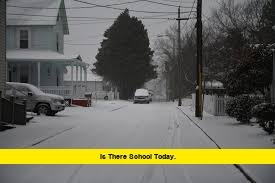
Early 2026 has brought one of the strongest cold outbreaks in decades to parts of the Gulf Coast. Arctic air surged deep into the southern United States, delivering freezing temperatures, icy rain, sleet, and even snowfall to areas more accustomed to mild winters.
Cities along the coast experienced dangerous wind chills, frozen roadways, and power disruptions. Emergency crews responded to icy bridges, downed power lines, and water main breaks caused by rapid temperature drops. Schools and government offices in several states adjusted schedules as a precaution, while residents took steps to protect pipes, pets, and vulnerable family members.
Meteorologists emphasized that while cold snaps are not unheard of in the region, the intensity and geographic spread of this event were unusual. The combination of low temperatures and strong winds created hazardous conditions for travel and outdoor work, especially in coastal and low-lying communities.
Weather Preparedness and New Warning Systems
To help residents better understand how daily conditions may affect safety and mobility, several Gulf Coast markets have expanded the use of impact-based forecasting. These systems categorize weather days based on potential disruptions, using simple visual indicators to signal when rain, fog, wind, cold, or storms could interfere with normal routines.
Such tools are designed to translate technical forecasts into practical guidance, allowing people to plan commutes, school activities, and marine operations more effectively. For coastal communities that rely heavily on tourism, fishing, and port traffic, even small changes in weather can have large economic effects.
Check local updates regularly and adjust plans as conditions shift.
Energy Infrastructure Under Pressure
The Gulf Coast remains the backbone of U.S. energy production, housing nearly half of the nation’s refining capacity along with major petrochemical plants, liquefied natural gas terminals, and offshore support facilities.
Extreme cold places additional strain on this infrastructure. Freezing temperatures can affect valves, pipelines, and processing units, leading to temporary slowdowns or safety shutdowns. Operators closely monitor systems during such events to prevent equipment damage and ensure worker safety.
Even brief disruptions can influence fuel supply chains, shipping schedules, and regional gasoline prices. The resilience of the Gulf Coast energy corridor is therefore critical not only to the local economy but also to national energy stability.
Environmental Cleanup and Coastal Protection
Beyond weather and industry, environmental restoration remains a major focus along the Gulf Coast. State and local agencies continue efforts to remove abandoned and sunken vessels from bays, rivers, and shipping channels. These derelict boats can leak fuel and chemicals, damage sensitive habitats, and obstruct navigation.
Wetland restoration projects are also expanding. Marshes and barrier islands act as natural buffers against storm surge, reduce erosion, and provide essential habitat for fish, birds, and other wildlife. Rebuilding these ecosystems helps protect inland communities while supporting commercial and recreational fisheries.
Coastal managers are working to balance development with conservation, recognizing that long-term economic security depends on healthy, functioning ecosystems.
Sea Level Rise and Long-Term Risk
The Gulf Coast is among the most vulnerable regions in the country to sea level rise. Gradual increases in ocean height, combined with land subsidence in some areas, raise the risk of chronic flooding, saltwater intrusion, and infrastructure damage.
Low-lying neighborhoods, highways, and industrial facilities face growing exposure to high-tide flooding and storm surge. Local governments are investing in drainage upgrades, elevated roadways, strengthened levees, and updated building standards to reduce future losses.
Urban planners are also incorporating flood risk into zoning decisions, steering new development toward safer elevations and encouraging resilient construction practices.
Strong Fisheries and Recreational Activity
Despite environmental challenges, portions of the Gulf’s marine ecosystem continue to show positive trends. Well-managed fish populations, including popular recreational species, support a thriving angling community and a valuable tourism sector.
Extended fishing seasons and favorable conditions have boosted participation, benefiting charter operators, marinas, bait shops, and coastal towns that depend on outdoor recreation. Ongoing monitoring and catch reporting play a key role in maintaining sustainable harvest levels and protecting future stocks.
Healthy fisheries are not only an economic asset but also a sign of successful conservation and management strategies.
Ports, Shipping, and Global Trade
Major ports along the Gulf Coast handle a significant share of U.S. imports and exports, including energy products, agricultural goods, and manufactured materials. Weather disruptions, whether from hurricanes or winter storms, can slow vessel movements, delay cargo, and affect supply chains nationwide.
Port authorities continue to invest in modernization, dredging, and storm-hardening projects to maintain operations under increasingly variable climate conditions. These upgrades support both domestic commerce and international trade, reinforcing the Gulf Coast’s role as a global logistics hub.
Community Resilience and Emergency Planning
The memory of past disasters has shaped how Gulf Coast communities prepare for extreme events. Emergency management agencies regularly conduct drills, update evacuation routes, and refine communication systems to ensure timely alerts during hurricanes, floods, or severe winter weather.
Public education campaigns emphasize the importance of emergency kits, flood insurance, and evacuation planning. Local leaders stress that preparedness is a shared responsibility, requiring coordination among government, businesses, and residents.
Looking Forward
As 2026 progresses, the gulf coast of the united states continues to demonstrate both its vulnerability and its strength. Uncommon winter storms, ongoing environmental restoration, energy operations, and economic activity all intersect in this dynamic region.
The challenges are significant, but so are the efforts to adapt, protect, and sustain the communities and industries that depend on the coast.
Stay aware of changing conditions and how they may affect your area.
Join the conversation and stay tuned as new developments continue to shape life along the Gulf Coast.