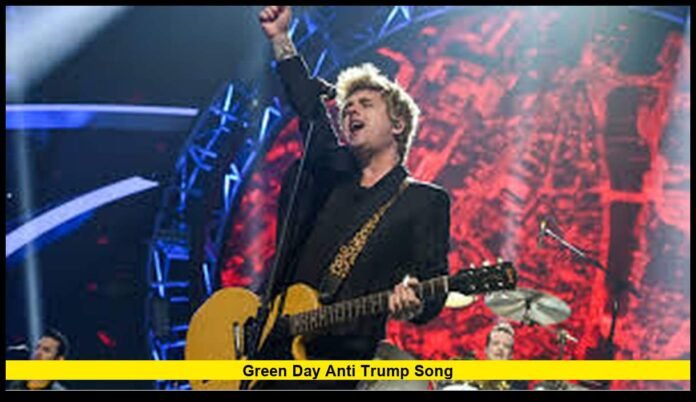

Green Day once again thrust politics into the national spotlight during Super Bowl week, reigniting debate over the band’s outspoken stance against former President Donald Trump. The renewed attention surrounding the green day anti trump song narrative comes after high-profile performances and pointed onstage remarks that directly challenged Trump-aligned political movements and federal immigration enforcement policies.
As one of America’s most recognizable punk rock bands, Green Day has never shied away from political expression. But this week’s events unfolded on one of the biggest cultural stages in the country. With Super Bowl festivities drawing massive crowds and nationwide media coverage, the band’s message reached millions — and triggered strong reactions across the political spectrum.
Super Bowl Week Performance Sparks National Conversation
During a widely attended Super Bowl week concert in California, frontman Billie Joe Armstrong used his platform to criticize immigration enforcement policies and the broader political climate tied to Trump-era leadership. From the stage, Armstrong addressed federal immigration officers and delivered comments urging reflection on their roles within current enforcement systems.
The remarks quickly circulated across television broadcasts and social media platforms, fueling immediate reaction. Supporters praised the band for speaking out on controversial policies. Critics argued that major sporting events should remain free of partisan politics.
The performance also featured altered lyrics to some of Green Day’s best-known songs. Armstrong incorporated updated lines referencing contemporary political issues, reinforcing the band’s long-standing reputation for reshaping its music to reflect current events.
A Long History of Political Messaging
Green Day’s political activism is not new. The band’s 2004 album American Idiot became one of the defining protest records of its era. Released during the Iraq War, the album criticized U.S. political leadership and media narratives at the time. Songs from that record helped cement Green Day’s role as one of the most politically vocal rock acts of the 21st century.
Over the years, Armstrong has frequently modified lyrics during live performances to reflect modern political themes. In recent tours, he has adjusted lines in “American Idiot” to directly reference the “MAGA” political movement associated with Trump.
That tradition continued this week, reinforcing how Green Day blends performance and protest. The band’s willingness to adapt older songs to current political climates keeps their catalog relevant — and controversial.
The Green Day Anti Trump Song Narrative Explained
While Green Day has never released a track officially titled “anti-Trump,” the phrase green day anti trump song has become shorthand for the band’s repeated lyrical critiques aimed at Trump and his political allies.
The most frequently cited example remains the band’s live revisions of “American Idiot.” During performances over the past several years, Armstrong has substituted original lyrics with updated political references, drawing loud reactions from audiences.
Those changes are not subtle. The revised lines clearly target Trump-aligned messaging and political rhetoric. By weaving those adjustments into one of their most recognizable songs, Green Day ensures that its political stance remains front and center.
This approach allows the band to use an existing anthem as a vehicle for contemporary commentary — a tactic that keeps fans engaged while reinforcing their political brand identity.
Trump Responds to Performer Criticism
Former President Donald Trump publicly criticized the inclusion of Green Day in Super Bowl-related festivities. In comments made ahead of the game, Trump expressed disapproval of politically outspoken performers and suggested that their presence at major national events deepens division.
His response added another layer to the cultural clash. The back-and-forth between political figures and entertainers has become increasingly common in recent election cycles. When high-profile musicians speak out, political leaders often respond — amplifying the conversation far beyond the stage.
The exchange underscores how music, politics, and sports now intersect in ways that spark national debate.
Why Super Bowl Week Amplified the Message
The Super Bowl remains one of the most watched events in the United States. Performances tied to the game often draw tens of millions of viewers across television and digital platforms. That level of exposure ensures that even brief political remarks can dominate headlines.
Green Day’s decision to incorporate pointed commentary during Super Bowl week carried strategic weight. The timing guaranteed heightened visibility and widespread coverage.
Major cultural events have increasingly become platforms for social commentary. Artists understand the scale of these audiences. For Green Day, that platform offered an opportunity to reaffirm its identity as a politically engaged band.
Supporters Applaud the Band’s Stand
Many fans applauded Green Day’s willingness to challenge political leaders directly. Supporters argue that punk rock has always been rooted in dissent and anti-establishment messaging. For them, the band’s remarks align perfectly with the genre’s rebellious origins.
Social media reactions from supporters described the performance as courageous and authentic. They pointed to Green Day’s decades-long history of activism as evidence that this is not a publicity stunt, but a continuation of core values.
For these fans, music should reflect social realities. They view silence as complicity and celebrate artists who use their platforms to advocate for change.
Critics Question Politics in Entertainment
Not everyone welcomed the political messaging. Some critics argued that sports-related events should focus on entertainment rather than ideology. They expressed concern that overt political commentary risks alienating portions of the audience.
Others framed the remarks as divisive, suggesting that performers should avoid targeting specific political figures during national events.
This divide mirrors broader national tensions. Public opinion often splits along ideological lines when artists address controversial issues. Green Day’s latest performance became another flashpoint in that ongoing debate.
Music and Activism in 2026
The renewed attention surrounding the green day anti trump song theme reflects a broader cultural trend. Musicians across genres increasingly engage in political discourse, particularly during high-visibility events.
Rock, hip-hop, and pop artists alike have used award shows, festival stages, and televised broadcasts to express political viewpoints. Audiences now expect many entertainers to take stands on social issues.
At the same time, backlash has grown louder. The collision between entertainment and politics continues to generate headlines — and engagement.
Green Day’s approach fits squarely within this evolving landscape. The band has built a reputation on challenging authority, and its latest actions reinforce that image.
Green Day’s Enduring Influence
More than three decades after forming in California, Green Day remains one of the most influential American rock bands. With multiple Grammy Awards and millions of albums sold worldwide, the trio commands a loyal fan base that spans generations.
Their continued relevance stems in part from their willingness to adapt. While many legacy acts focus solely on nostalgia, Green Day frequently updates its message to reflect current political and cultural conditions.
That adaptability keeps the band at the center of public discourse. Whether fans agree with their politics or not, Green Day consistently sparks conversation.
What Happens Next?
The fallout from this week’s performance may linger well beyond Super Bowl Sunday. Political leaders, cultural commentators, and fans will likely continue debating the role of entertainers in shaping public opinion.
As election season approaches, politically charged performances may become even more common. Artists recognize the power of their platforms, especially during moments of peak national attention.
Green Day’s actions demonstrate that music remains a powerful vehicle for political expression. The band shows no signs of retreating from that role.
What do you think about Green Day’s latest performance and political message? Share your thoughts and join the discussion below.