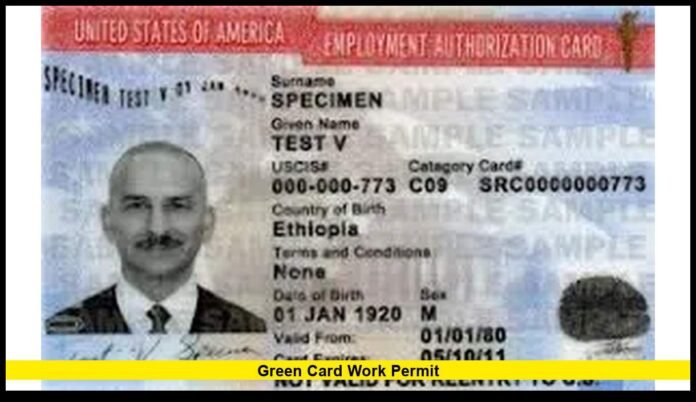

The green card work permit system is experiencing significant confirmed updates that are now affecting applicants across the United States. These changes influence how long workers can stay employed, when they must renew their documents, and what steps they must take to prevent employment gaps. Because so many individuals rely on employment authorization while awaiting permanent residency, the new rules are creating a wave of adjustments for applicants and employers nationwide.
The most impactful updates include a shorter validity period for many Employment Authorization Documents, a shift in how renewal timing works, and a tightening of automatic extension eligibility. These developments are already in effect, and they carry major consequences for anyone who depends on temporary work authorization while completing the path toward lawful permanent residence.
This article explains these changes in detail, breaks down how they affect day-to-day employment planning, and provides a deeper look at the steps workers and employers must take to protect continuous work eligibility.
A New Employment Landscape for Immigrants Awaiting Permanent Residency
The green card process has always required patience, planning, and ongoing documentation. The recent adjustments amplify these realities. With new rules shaping how long an EAD remains valid, applicants face shorter approval windows and more frequent administrative demands. This shift has become a central concern for applicants whose families, finances, and careers depend on uninterrupted work authorization.
These updates also affect U.S. companies with immigrant talent. Thousands of employers rely on workers who hold temporary employment authorization while waiting for green card approval. Industries such as healthcare, technology, transportation, education, and hospitality depend heavily on these workers. As a result, the changes impact not only individuals but also business operations across the country.
Shorter EAD Validity: Moving from Multi-Year Cards to 18-Month Limits
One of the most significant changes involves the shortening of work permit validity. Applicants who previously received multi-year EADs must now adjust to a maximum term of 18 months. This includes many individuals with pending adjustment-of-status applications as well as several humanitarian-based categories.
Shorter validity means:
- More frequent renewals
- Higher chances of timing conflicts
- Greater emphasis on planning
- Increased pressure on employers to track expiration dates
For many households, these shorter timeframes add new financial responsibilities. Filing fees, attorney fees, and the administrative work associated with renewals become recurring tasks rather than occasional ones.
While current EAD cards remain valid until their printed expiration dates, all new cards and renewals issued under the updated policy follow the shorter limit. This creates a transitional period in which some workers still carry older multi-year documents, while new applicants must adjust to the new schedule.
Understanding the Reduced Access to Automatic Extensions
Another major development concerns automatic extensions tied to EAD renewal filings. These automatic extensions played a key role in protecting thousands of immigrant workers from losing their jobs due to processing delays.
The recent policy changes limit automatic extension availability for several categories. This requires applicants and employers to pay far closer attention to timing. People who file renewals after the updated cutoff must no longer assume that they are protected from work interruptions.
The impact of reduced extension options includes:
- The need to file renewals much earlier
- More risk of employment interruptions during long processing times
- Increased importance of tracking receipt notices
- Greater responsibility placed on both workers and employers
These restrictions reshape how applicants think about job security while awaiting permanent residency decisions.
Why These Updates Matter for U.S. Workers and Families
For applicants, employment authorization is far more than a document. It determines income stability, healthcare coverage, housing affordability, and long-term planning. When renewal rules tighten or authorization periods shrink, families must adjust budgets, timelines, and plans.
The new rules also affect:
- Travel planning
- Job mobility
- Access to employer benefits
- Future career opportunities
Many applicants are now adjusting their strategies, filing renewals earlier, consulting immigration professionals more often, and monitoring updates closely to avoid unexpected changes.
A Closer Look at the Impact on Employers
U.S. employers must now take a more hands-on approach to compliance. Because EAD validity lasts for a shorter period, human resources teams face more frequent re-verification obligations. Companies must build stronger internal systems to track expiration dates and ensure workers maintain authorization.
Key employer responsibilities include:
- Monitoring expiration dates for all EAD holders
- Requesting updated documentation on time
- Training HR teams to understand the new rules
- Ensuring timely re-verification on Form I-9
- Supporting employees during the renewal process
Businesses that fail to adapt risk interruptions in staffing, administrative complications, and compliance issues. Many employers have already updated their verification calendars and automated reminder systems to align with the new rules.
How Applicants Can Prepare for a Streamlined Renewal Process
Applicants can minimize risk by taking proactive steps. With new rules in effect, the margin for error is even smaller. Delays that could previously be covered by automatic extensions now may result in temporary job loss.
File Renewals Early
Many workers can file EAD renewals as early as 180 days before expiration. Filing at the earliest possible date reduces the risk of entering a period without valid authorization.
Keep Every Official Notice
Receipt notices, approval notices, and mailed correspondence serve as essential evidence during employer verification. These documents should be stored securely and shared with employers when needed.
Communicate With Employers
Clear communication prevents confusion during re-verification. Employers appreciate early notice, especially when expiration dates are approaching.
Monitor Personal Processing Times
Applicants benefit from tracking updates on how long their category’s renewals typically take. Although processing times vary, staying informed helps workers plan around potential delays.
Coordinate Travel Plans Carefully
International travel may require additional documentation, and applicants must ensure both work authorization and travel authorization remain valid during the trip.
A Detailed Overview of How These Rules Affect Adjustment-of-Status Applicants
Adjustment-of-status applicants represent a large portion of EAD holders. These individuals apply for work authorization while waiting for their permanent residency applications to be approved. Because the green card process can take months or years, their EAD is essential for work continuity.
The new changes create several challenges for this group:
- The shorter EAD validity increases the number of times they must renew
- Each renewal carries costs and processing delays
- Reduced extension eligibility increases the need for precise timing
- Job mobility may be affected if processing delays overlap with job transitions
Despite these challenges, adjustment applicants remain eligible for EAD renewals as long as their underlying green card application remains pending.
Industries Most Affected by the New EAD Rules
Certain sectors employ large numbers of workers who rely on temporary work authorization. These industries will feel the transition most strongly.
Healthcare
Hospitals, clinics, and elder-care centers rely on foreign-born workers, many of whom hold EADs.
Technology
Software engineers, research analysts, cybersecurity specialists, and IT professionals are often in the adjustment-of-status stage.
Education
Schools, universities, and childcare centers employ workers with pending green card applications.
Service Industries
Hospitality, food service, manufacturing, and retail employ many workers who depend on renewed EADs.
The shift to shorter validity places new responsibility on these employers to manage documentation cycles carefully.
Why Early Planning Matters More Than Ever
Long processing times, changing renewal rules, and the shorter EAD validity period create a fast-moving landscape. Small mistakes—such as filing too late or misplacing a receipt—can stop someone from working until new documents arrive.
Early planning protects:
- Income
- Job security
- Access to benefits
- Family stability
Workers now approach EAD renewals with heightened awareness and structured preparation. Employers also recognize that strategic planning reduces operational disruptions.
A Practical Checklist to Stay Organized
Applicants benefit from following a simple but comprehensive renewal checklist:
- File renewals at the earliest allowed date
- Store digital and physical copies of all notices
- Communicate expiration dates to employers well in advance
- Track changes in processing times
- Review travel documents before leaving the country
- Seek professional guidance for complex cases
- Keep a personal renewal calendar
This structured approach minimizes risks and creates peace of mind.
Looking Ahead: What This Means for the Future of Employment Authorization
The recent adjustments to EAD validity and extension rules signal a shift toward more frequent document updates and closer oversight. While the green card process itself remains unchanged, the supporting employment authorization structure now requires more involvement from applicants and employers.
Workers who rely on the green card work permit will likely continue to navigate these requirements while staying alert to future policy developments. The ability to maintain stable employment during the immigration process remains essential, and these confirmed updates highlight the importance of timely action and informed planning.
Share your thoughts or experiences below—your perspective helps others understand how these changes affect real families and workplaces.