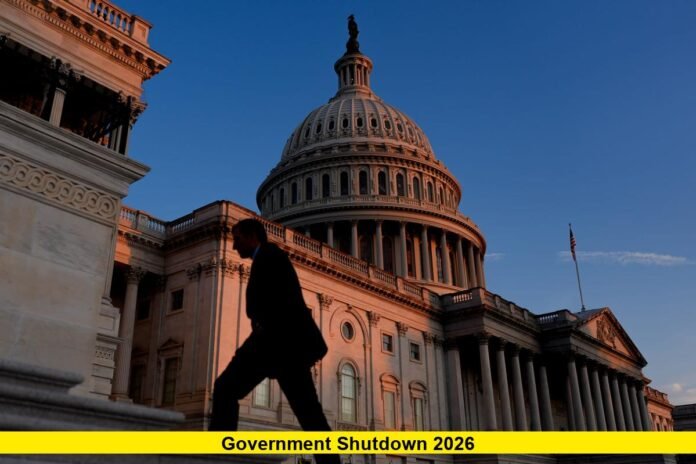

Federal lawmakers are racing to finish work on critical spending bills before the January 30 deadline, with the looming specter of a government shutdown 2026 pushing negotiations into high gear. After the longest federal shutdown in U.S. history ended late last year, Capitol Hill is again focused on keeping federal agencies open and fully funded for the remainder of the fiscal year.
In this unfolding budget battle, leaders from both parties are trying to balance competing priorities while avoiding another funding lapse that could disrupt operations, delay services, and furlough federal workers. The negotiations involve complex spending packages, partisan divides over policy language, and a shrinking window of time to reach an agreement.
Congress Nears Completion of Annual Funding Bills
In recent weeks, lawmakers have made measurable progress on the annual appropriations process for fiscal year 2026. Several spending bills have already been approved by both chambers of Congress, putting funding in place for agencies that handle agriculture, energy, commerce, interior programs, and justice. These approvals reflect bipartisan cooperation and represent significant movement toward a full funding solution.
However, not all areas of government spending have been resolved. Nine of the 12 required appropriations bills remain unfinished, and they encompass some of the nation’s largest and most politically sensitive agencies, including defense, health programs, housing, transportation, and homeland security. With approximately one week to go before funding expires, negotiators are under pressure to finalize compromises that can satisfy both sides of the aisle.
Major Funding Packages on the Table
House and Senate appropriators have released draft spending packages — often referred to as “minibuses” — that bundle several appropriations bills into cohesive legislative vehicles. One such package includes crucial funding for health programs, extending financial support for key rural health services, workforce initiatives, and behavioral health. Lawmakers expect a vote on this bill in the coming days, followed by Senate consideration ahead of the January 30 deadline.
Another multibillion-dollar package under negotiation would maintain funding for housing, education, and community development initiatives. Under these proposals, funding levels for many federal programs would remain steady or increase modestly compared with last year, even as leaders reject broader cuts previously proposed by the administration.
These bundled bills are designed to clear large portions of the budget at once, creating momentum toward completing the overall appropriations process.
Why Homeland Security Funding Is a Flashpoint
Among the unsettled sections of the budget, funding for the Department of Homeland Security stands out as a particularly contentious issue. Disagreement persists over how much to allocate for border security, immigration enforcement operations, and internal oversight procedures.
The debate intensified following a widely publicized incident involving immigration enforcement agents, prompting lawmakers to push for stronger accountability measures attached to DHS funding. Some members of Congress argue that protections such as mandatory body cameras and enhanced reporting requirements should be included, while others resist linking policy conditions to core funding.
These differences have slowed progress on the homeland security bill and are central to broader partisan debates about immigration policy.
Leadership Strategies to Avoid a Shutdown
House and Senate leaders are employing strategic legislative tactics to force decisions before the funding deadline. One approach is to combine multiple spending bills into larger packages that must be voted on as a whole, reducing the number of individual procedural hurdles that could delay action.
This strategy increases the likelihood of timely votes and can help secure broader support by delivering funding for many agencies in a single measure. It also puts pressure on both chambers to come to an agreement rather than dragging negotiations on piece by piece.
At the same time, congressional leadership is exploring targeted extensions for certain unfunded agencies as a fallback option. These short-term measures could buy negotiators additional time if consensus on key disagreements, such as homeland security funding, cannot be reached immediately.
Shared Motivation Against Another Funding Lapse
The urgency to avert another funding lapse is driven in part by the recent experience of a prolonged government shutdown, which disrupted services and financial security for federal workers and contractors. That shutdown lasted more than six weeks and forced agencies to curtail operations, affecting everything from national parks to passport processing.
Many lawmakers have emphasized that such disruptions are harmful to the public and the economy. As a result, there is bipartisan interest in completing the appropriations process and avoiding another funding gap that could create similar challenges.
Education and Health Funding Highlights
Lawmakers have also taken steps to protect funding for education and health programs amid broader budget negotiations. A bipartisan draft bill released this week proposes maintaining most federal education funding levels that had been at risk of significant cuts. This includes stable support for early childhood education, rural school programs, and grants that benefit students with disabilities.
On the health front, discretionary funding for a range of key programs has been secured in the draft spending package, ensuring continued support for public health workforce initiatives, behavioral health services, and telehealth flexibility. These provisions aim to sustain critical infrastructure and services that millions of Americans depend on.
The Budget Process and Congressional Dynamics
The current budget negotiations reflect a rare moment where both parties have shown willingness to finalize large portions of the federal spending plan through bipartisan cooperation. Even so, the process remains fraught with disagreement over policy riders and funding priorities.
As part of the overall picture, lawmakers must reconcile House and Senate versions of spending bills and address differences in how funds are allocated. This process requires meticulous negotiation and compromise, with time running short.
Possible Outcomes With the Deadline Approaching
With the January 30 deadline looming, congressional leaders are preparing for several possible outcomes:
• Full Adoption of Remaining Funding Bills
If both chambers approve the outstanding spending packages and leadership successfully negotiates final language, the government will remain fully funded through the end of fiscal 2026.
• Short-Term Funding Extensions
If unresolved issues persist, lawmakers could enact brief funding extensions to extend current spending levels while negotiations continue.
• Partial Funding Solutions
In this scenario, some agencies would receive full appropriations while others operate under temporary measures until full agreement is reached.
Each of these outcomes reflects a different balance of urgency, compromise, and political negotiation, but all are aimed at preserving uninterrupted government operations.
What This Means for Americans
For millions of Americans, the results of these negotiations will determine whether federal services continue without interruption. Programs supporting education, healthcare, veterans, transportation, and community development all rely on stable funding. A funding lapse could delay services, furlough employees, and create uncertainty for families and businesses alike.
The ongoing negotiations show lawmakers’ awareness of these stakes and their desire to provide certainty for federal agencies and program beneficiaries.
In the coming days, congressional action on funding bills will shape the federal government’s trajectory and influence public confidence in the nation’s budgetary process.