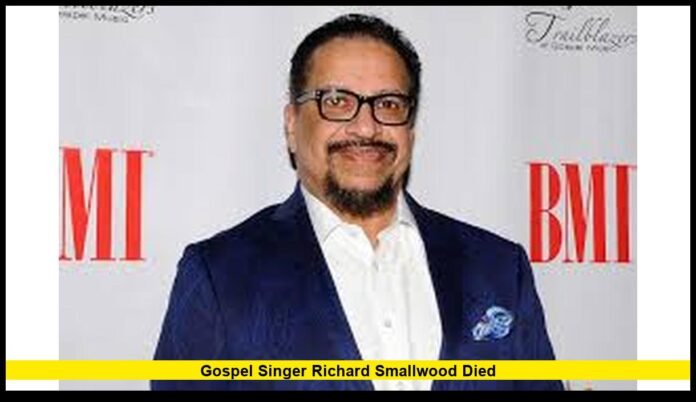

Gospel singer Richard Smallwood died, marking a moment of profound loss for American gospel music and the faith communities shaped by his work. His passing closed the chapter on a career that influenced worship styles, choir traditions, and spiritual expression across generations. For decades, his music stood at the center of American church life, offering comfort during grief, strength during hardship, and reverence during worship. When news of his death became public, it resonated deeply because his voice had accompanied countless people through the most meaningful moments of their lives.
Richard Smallwood passed away on December 30, 2025, at the age of 77, following complications related to kidney failure. He died while receiving long-term medical care in Maryland. The announcement prompted immediate responses from churches, musicians, and listeners who understood that gospel music had lost not just an artist, but a guiding force. His death was met with reflection rather than shock, as his legacy had already been firmly established through decades of faithful service to music and ministry.
His influence extended far beyond recordings or performances. It shaped how gospel music is written, rehearsed, and experienced in the United States.
A Childhood Shaped by Faith and Sound
Richard Lee Smallwood was born on November 30, 1948, in Atlanta, Georgia, into a household where faith and music were inseparable. From an early age, he demonstrated an extraordinary sensitivity to sound. He learned to play the piano by ear, displaying a natural ability that quickly set him apart from other children. Music was not introduced as a hobby; it was part of his spiritual upbringing and daily life.
After relocating to Washington, D.C., Smallwood grew up deeply connected to church culture. His stepfather served as a pastor, and church services were filled with strong choral traditions, structured worship, and theological teaching. These experiences grounded him spiritually while nurturing his musical discipline. He learned that music could carry meaning, tell stories, and guide people into moments of reflection and connection.
Unlike many artists whose early talent leads them away from formal training, Smallwood pursued education with determination. His early exposure to church music was complemented by classical study, laying the groundwork for a style that would later redefine gospel music.
Education and Musical Discipline
Richard Smallwood attended Howard University, where he studied classical piano and vocal performance. His academic training became a defining element of his work. While many gospel artists relied primarily on improvisation and oral tradition, Smallwood applied formal structure, harmonic complexity, and compositional precision to sacred music.
At Howard, he played a key role in organizing the university’s first gospel choir. This effort was groundbreaking at the time, bridging the gap between academic music programs and spiritual expression. His leadership demonstrated that gospel music deserved the same level of respect, study, and preparation as classical compositions.
Smallwood later earned advanced academic credentials, deepening his understanding of musical traditions and cultural expression. His education did not distance him from the church. Instead, it strengthened his ability to serve worship communities with excellence.
This balance between scholarship and spirituality became the foundation of his entire career.
Creating a New Gospel Sound
Richard Smallwood did not simply participate in gospel music; he reshaped it. At a time when gospel often followed familiar patterns, his compositions introduced layered harmonies, controlled dynamics, and intentional pacing. His music required attention, rehearsal, and commitment.
When The Richard Smallwood Singers emerged, the group quickly gained recognition for its sound. Choirs performing his work found themselves challenged in new ways. His arrangements demanded vocal discipline and emotional restraint, encouraging singers to serve the message rather than overpower it.
His approach changed rehearsal rooms across the country. Choir directors adjusted expectations. Singers learned to listen more closely. Worship leaders began thinking about flow and structure within services. Smallwood elevated gospel music into a space where technical excellence and spiritual sincerity coexisted naturally.
This influence continues to shape modern worship practices today.
Songs That Became Sacred Landmarks
Several of Richard Smallwood’s compositions became defining works in American gospel history. These songs were not tied to trends or specific eras. They addressed timeless spiritual themes such as trust, gratitude, humility, and perseverance.
“Total Praise” stands as one of the most recognized gospel songs ever written. Its quiet opening invites reflection, while its gradual build mirrors the journey of faith itself. The song is performed at funerals, memorials, national prayer services, and worship gatherings across denominations. Its words and melody remain unchanged because they already feel complete.
“I Love the Lord” reached an even broader audience through its inclusion in a major gospel soundtrack. The song’s emotional honesty resonated with listeners who may not have grown up in traditional church environments. It became a bridge between gospel music and mainstream audiences without losing its spiritual foundation.
“Center of My Joy” spoke directly to those navigating personal loss or uncertainty. Its message emphasized internal faith rather than external success. The song remains relevant because it addresses struggles that never disappear from human experience.
Each composition reflected Smallwood’s belief that music should guide listeners toward meaning rather than spectacle.
Recognition Without Compromise
Over the course of his career, Richard Smallwood received widespread recognition within the gospel music industry. He earned multiple Grammy nominations and received numerous honors celebrating his contributions to sacred music. His albums performed consistently well and remained influential long after their release.
Despite this recognition, Smallwood never pursued celebrity culture. He avoided unnecessary publicity and remained selective about public appearances. His focus stayed on music, worship, and mentorship rather than personal branding.
This restraint strengthened his credibility. Fellow musicians respected him not only for his talent, but for his integrity. He became a model for artists who sought longevity without sacrificing authenticity.
Influence on Musicians and Worship Leaders
Richard Smallwood’s influence can be seen in rehearsal rooms, choir lofts, and worship services across the United States. Music educators use his compositions to teach dynamics, phrasing, and emotional control. Choir directors study his arrangements to understand balance and flow.
His music taught singers that restraint can be as powerful as volume. It showed worship leaders how silence and space can deepen meaning. These lessons continue to shape how gospel music is taught and performed.
Beyond technical influence, Smallwood inspired musicians to approach their craft with humility. He demonstrated that excellence is an act of worship, not self-promotion.
Later Years and Quiet Strength
In his later years, Richard Smallwood faced health challenges that limited his public activity. He gradually stepped away from touring and recording, allowing his existing body of work to carry his message forward. Even during this period, his music remained active through performances, recordings, and worship services nationwide.
He lived a private life, maintaining close relationships with longtime collaborators and friends. Those who knew him personally described him as thoughtful, disciplined, and deeply committed to his faith.
His absence from the public stage did not diminish his presence in gospel music. His songs continued to be sung, studied, and cherished.
The Day Gospel Singer Richard Smallwood Died
When gospel singer Richard Smallwood died on December 30, 2025, the response was immediate and heartfelt. Churches acknowledged the loss during services. Choirs dedicated performances to his memory. Listeners revisited his music with renewed appreciation.
The moment was marked by gratitude rather than controversy. His life had been consistent. His message had been clear. His contributions were undeniable.
For many, the news felt like losing a trusted voice that had guided them through worship for decades.
A Legacy That Will Not Fade
Richard Smallwood’s legacy is firmly woven into American gospel music. His influence continues through the songs sung every week in churches across the country. His standards of excellence remain a benchmark for musicians and worship leaders.
His work transcended generational divides, connecting older traditions with modern expression. He proved that gospel music could evolve without losing its soul.
As time moves forward, new artists will emerge, but the foundation Smallwood laid will remain.
Remembering the Man and the Message
Richard Smallwood will be remembered not only for what he created, but for how he lived. He chose faith over fame, purpose over popularity, and service over self-interest. His music reflected those choices.
His life reminds us that true impact is measured not by visibility, but by lasting influence.
Final Reflection
Gospel singer Richard Smallwood died, but his voice continues to echo through sanctuaries and hearts across the nation. His music remains a companion in moments of joy and sorrow, reminding listeners of faith, discipline, and devotion.
What Richard Smallwood gave to gospel music will endure. Share your reflections and favorite songs, and help keep his legacy alive.